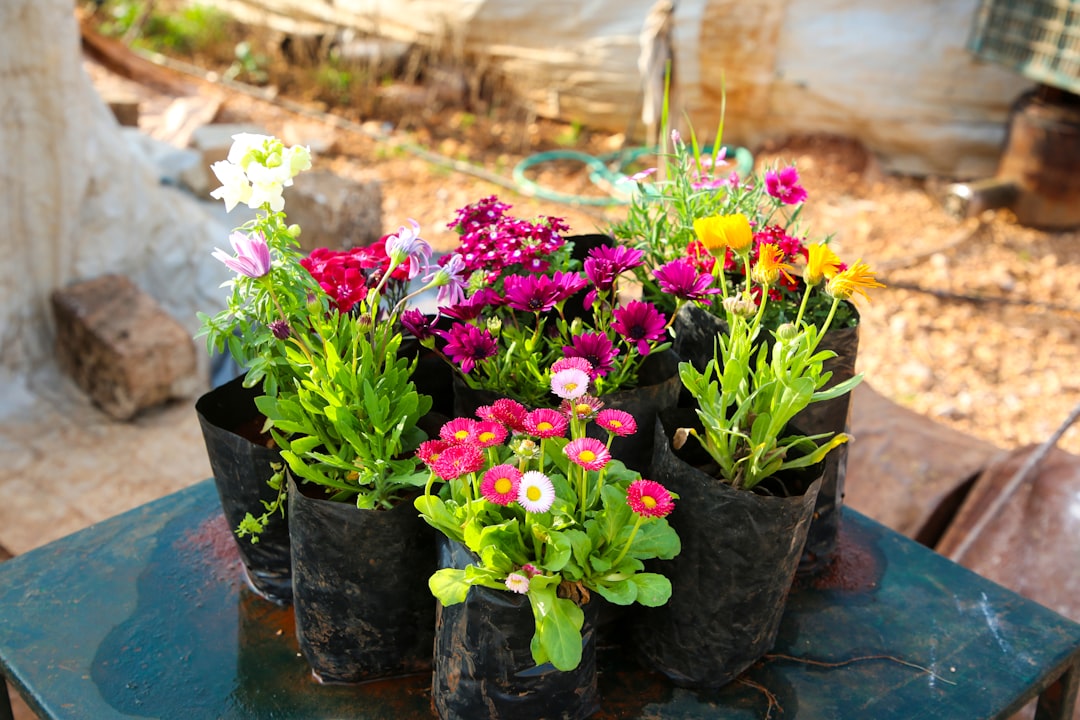
Dianthus, those charming and spicy - scented perennials, have long been a favorite among flower enthusiasts. Their colorful blooms can add a touch of elegance and a burst of color to any garden. In this guide, we will explore the essential tips for growing these beautiful flowers, from the moment of planting to the art of pruning.
1. Choosing the Right Location
Before you start planting dianthus, it is crucial to select the perfect spot in your garden. Dianthus thrives in full sun, which means it needs at least six hours of direct sunlight each day. A sunny location will not only encourage abundant flowering but also help the plant develop a strong and healthy structure. However, in regions with extremely hot summers, some afternoon shade can prevent the plant from getting stressed.
Ensure that the soil in the chosen area is well - drained. Dianthus does not tolerate waterlogged soil, as it can lead to root rot. You can improve the soil drainage by adding organic matter such as compost or well - rotted manure. This will also enrich the soil with essential nutrients, creating a favorable environment for the dianthus to grow.
2. Planting Dianthus
When it comes to planting dianthus, timing is key. The best time to plant these perennials is in the spring or fall. Spring planting allows the plant to establish its roots before the heat of summer, while fall planting gives the dianthus a head start for the next growing season.
Dig a hole that is slightly larger than the root ball of the dianthus plant. Gently remove the plant from its container and place it in the hole, making sure that the top of the root ball is level with the soil surface. Backfill the hole with soil and gently firm it around the plant. Water the newly planted dianthus thoroughly to settle the soil and eliminate any air pockets.
3. Watering and Fertilizing
Proper watering is essential for the health of dianthus. Water the plants deeply but infrequently, allowing the soil to dry out slightly between waterings. Overwatering can be detrimental to dianthus, so it is important to find the right balance. During the hot summer months, you may need to water more frequently, but always check the soil moisture first.
Fertilizing dianthus can promote healthy growth and abundant flowering. Apply a balanced, slow - release fertilizer in the spring when new growth begins. You can also supplement with a liquid fertilizer every few weeks during the growing season. However, be careful not to over - fertilize, as this can lead to excessive foliage growth at the expense of flowers.
4. Pruning and Deadheading
Pruning plays a vital role in maintaining the shape and health of dianthus. Regular deadheading, which is the removal of spent flowers, encourages the plant to produce more blooms. Simply pinch off the faded flowers at the base of the stem. This not only keeps the plant looking neat but also redirects the plant's energy towards new growth and flower production.
In addition to deadheading, you can also prune dianthus in the late fall or early spring to remove any damaged or diseased stems. Cut back the plant by about one - third to promote new growth and a more compact shape. Pruning also helps improve air circulation around the plant, reducing the risk of fungal diseases.
5. Pest and Disease Control
Like any other plant, dianthus is susceptible to certain pests and diseases. Common pests that can affect dianthus include aphids, spider mites, and slugs. You can control aphids and spider mites by spraying the plant with a strong stream of water or using an insecticidal soap. For slugs, you can use slug baits or create barriers around the plants.
Diseases such as powdery mildew and root rot can also pose a threat to dianthus. To prevent powdery mildew, ensure good air circulation around the plants and avoid overhead watering. If root rot is a concern, make sure the soil is well - drained and do not overwater the plants. In case of a severe disease outbreak, you may need to use a fungicide.
By following these essential tips, you can successfully grow colorful dianthus in your garden. With their beautiful blooms and spicy fragrance, these perennials will surely become a highlight of your flower garden for years to come.
New