Allium, the ornamental onion, is a true gem in the world of flowers. With its stunning blooms that form whimsical orbs sitting high above the foliage, it adds a touch of elegance and charm to any garden. In this article, we will explore the essential growing tips for allium, ensuring that you can enjoy its beauty to the fullest.
### Understanding Allium
Allium belongs to the Amaryllidaceae family and encompasses a wide range of species and cultivars. These plants are known for their unique spherical flower heads, which can vary in size, color, and shape. From the small and delicate Allium moly to the large and showy Allium giganteum, there is an allium variety to suit every garden style.
One of the most appealing features of allium is its long - lasting blooms. The flowers can stay vibrant for several weeks, providing a splash of color during the spring and early summer months. Moreover, alliums are relatively low - maintenance plants, making them a great choice for both novice and experienced gardeners.
### Choosing the Right Location
Alliums thrive in full sun, so it is crucial to select a location in your garden that receives at least six to eight hours of direct sunlight per day. A sunny spot will ensure that the plants grow strong and produce abundant flowers. However, they can also tolerate partial shade, especially in regions with extremely hot summers.
The soil should be well - drained. Alliums do not like to sit in waterlogged soil, as this can lead to root rot. If your soil has a high clay content, you can improve its drainage by adding organic matter such as compost or well - rotted manure. A slightly acidic to neutral soil pH (around 6.0 - 7.0) is ideal for allium growth.
### Planting Allium Bulbs
Allium bulbs are typically planted in the fall, a few weeks before the first frost. This allows the bulbs to establish roots before the cold winter sets in. When planting, dig a hole that is two to three times deeper than the height of the bulb. For example, if the bulb is 2 inches tall, the hole should be 4 - 6 inches deep.
Space the bulbs according to their size. Smaller allium varieties can be planted 3 - 4 inches apart, while larger ones may need 6 - 8 inches of space. Place the bulbs in the holes with the pointed end facing up and cover them with soil. Water the area thoroughly after planting to help the bulbs settle in.
### Watering and Fertilizing
During the growing season, alliums need regular watering, especially during dry spells. However, it is important not to over - water them. A good rule of thumb is to water deeply once a week, providing enough moisture to reach the roots. As the flowers start to fade and the foliage begins to die back, reduce the watering frequency.
Fertilizing alliums can help promote healthy growth and abundant blooms. Before planting, incorporate a slow - release fertilizer into the soil. You can also apply a balanced liquid fertilizer once or twice during the growing season. Avoid using high - nitrogen fertilizers, as these can encourage excessive foliage growth at the expense of flowers.
### Pest and Disease Control
Alliums are generally resistant to most pests and diseases. However, they can sometimes be affected by onion thrips, which are tiny insects that feed on the leaves and flowers. To control thrips, you can use insecticidal soap or neem oil. Make sure to follow the instructions on the product label carefully.
Another potential problem is fungal diseases, such as botrytis blight. This can occur in humid conditions or when the plants are over - crowded. To prevent fungal diseases, ensure good air circulation around the plants by spacing them properly and removing any dead or diseased foliage promptly.
### After - Bloom Care
Once the allium flowers have faded, you can deadhead them to keep the garden looking tidy. However, leave the foliage intact until it turns yellow and withers. The foliage is responsible for storing energy in the bulbs for the next growing season. Once the foliage has died back completely, you can cut it off at ground level.
In some cases, allium bulbs may need to be divided every few years to prevent over - crowding. This is usually done in the fall, when the bulbs are dormant. Carefully dig up the clumps of bulbs, separate them, and replant them in a new location or in the same area with proper spacing.
### Using Allium in the Garden
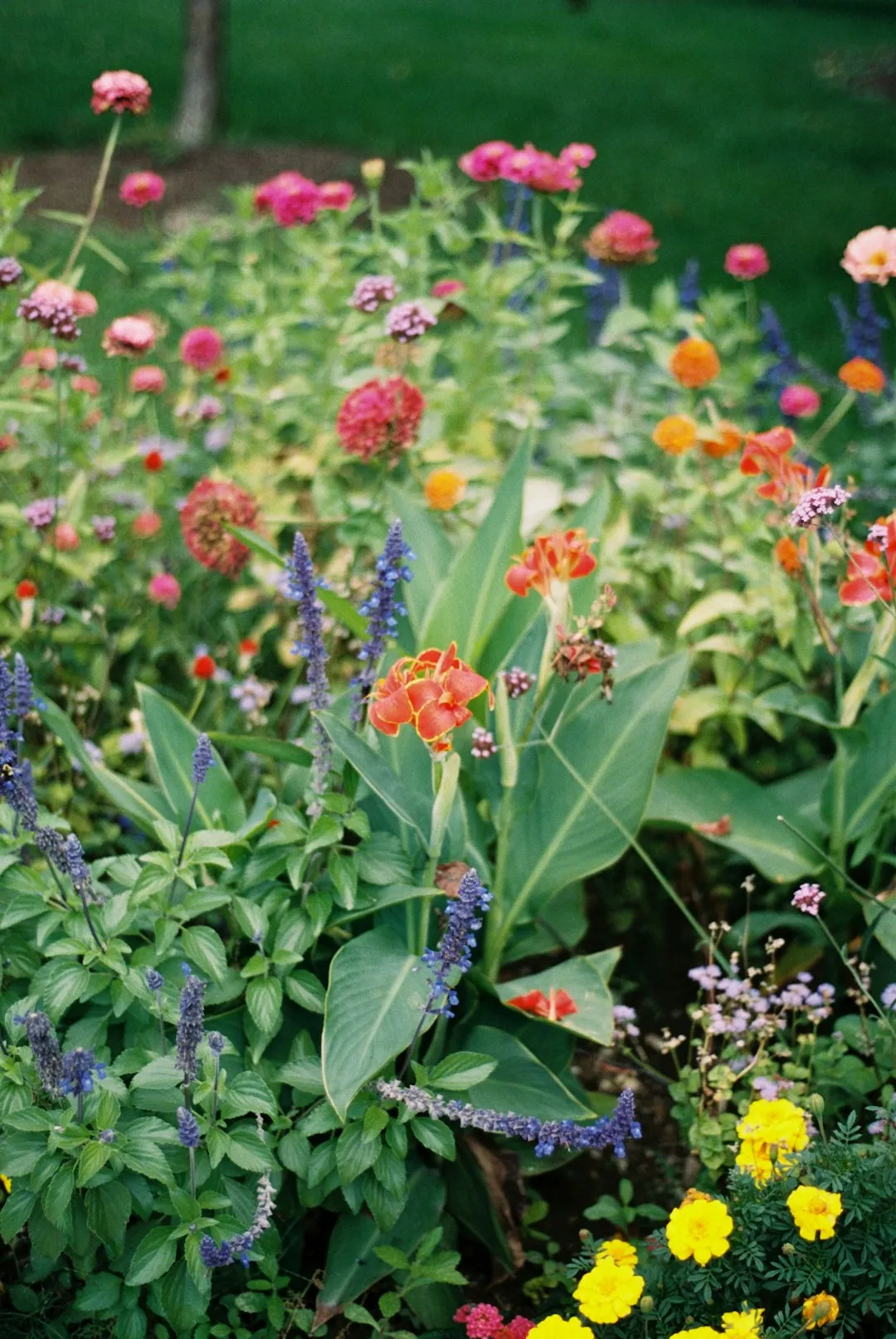
Alliums are very versatile in the garden. They can be planted in borders, rock gardens, or containers. Their tall flower spikes make them excellent for adding vertical interest to a flower bed. You can also combine alliums with other spring - blooming flowers, such as tulips and daffodils, for a colorful and eye - catching display.
Allium flowers are also great for cut flower arrangements. Their long stems and unique shape make them a focal point in bouquets. To cut allium flowers, wait until the blooms are fully open and then use sharp, clean scissors or pruning shears to cut the stems at an angle. Place the cut flowers in a vase with fresh water and change the water every few days to keep them looking fresh.
In conclusion, allium is a wonderful addition to any garden. By following these essential growing tips, you can enjoy the beauty of these ornamental onions year after year. Whether you are a seasoned gardener or just starting out, allium is sure to bring joy and color to your outdoor space.
New