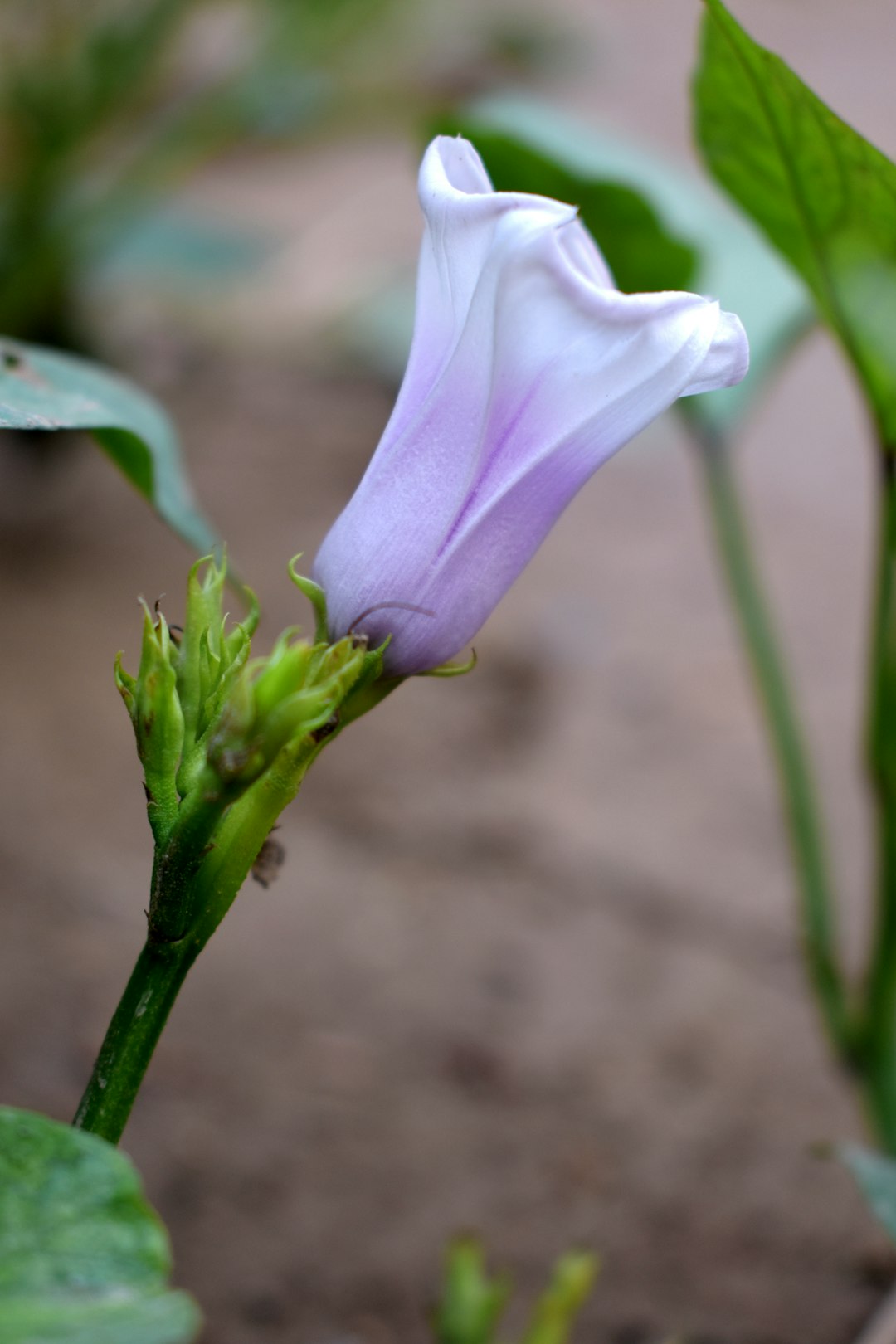
Flowers gardening, especially when it comes to perennials like mums, is a rewarding endeavor. Knowing when and how to pinch and cut back mums can significantly impact the number of flowers they produce. In this guide, we'll explore the essential tips for achieving the most beautiful and abundant mum blooms.
First and foremost, understanding the growth cycle of mums is crucial. Mums are short - day plants, which means they start to form flower buds when the days become shorter. This natural rhythm plays a key role in determining the best times for pruning.
Pinching is an important technique in mum care. Pinching involves removing the tips of the stems. This encourages the plant to branch out, resulting in a bushier plant with more potential flower sites. The best time to start pinching mums is in the spring, once the plants have reached about 6 - 8 inches in height. Use your fingers or a pair of sharp, clean pruning shears to snip off the top 1 - 2 inches of the stems. Repeat this process every 2 - 3 weeks until early July. By stopping the pinching in early July, you allow the plant to start setting flower buds as the days begin to shorten.
Cutting back mums is another vital step. After the first hard frost in the fall, the foliage of the mums will start to turn brown. This is the time to cut the plants back. Use pruning shears to trim the stems down to about 3 - 4 inches above the ground. Cutting back at this time helps the plant conserve energy during the winter months. It also prevents diseases from overwintering in the dead foliage.
When it comes to tools, having the right ones makes a big difference. Sharp pruning shears are essential for clean cuts. Dull blades can crush the stems, which may lead to disease. Before using your pruning shears, make sure to clean them with a solution of one part bleach to nine parts water. This helps prevent the spread of diseases from one plant to another.
Soil preparation is also important for healthy mums. Mums prefer well - drained soil with a pH between 6.0 and 7.0. Amend the soil with compost or well - rotted manure before planting. This provides the necessary nutrients for the plants to grow strong and produce abundant flowers. During the growing season, you can also fertilize the mums every 4 - 6 weeks with a balanced fertilizer. However, stop fertilizing by early August to avoid promoting new growth that may not have time to harden off before winter.
Proper watering is key to mum health. Mums need about 1 - 2 inches of water per week. Water deeply at the base of the plant to encourage strong root growth. Avoid overhead watering, as this can lead to fungal diseases. Mulching around the base of the mums can help retain moisture in the soil and also suppress weeds.
Another aspect to consider is pest and disease control. Mums can be susceptible to pests such as aphids, spider mites, and whiteflies. Regularly inspect your plants for signs of pests. If you notice an infestation, you can use insecticidal soap or neem oil to control the pests. Fungal diseases like powdery mildew and rust can also affect mums. To prevent these diseases, make sure there is good air circulation around the plants. Space the mums at least 18 - 24 inches apart when planting.
In conclusion, by following these tips on pinching, cutting back, soil preparation, watering, and pest and disease control, you can ensure that your mums produce the most flowers. With a little care and attention, your mum garden will be a riot of color come fall, providing a beautiful display for you and your neighbors to enjoy.
New