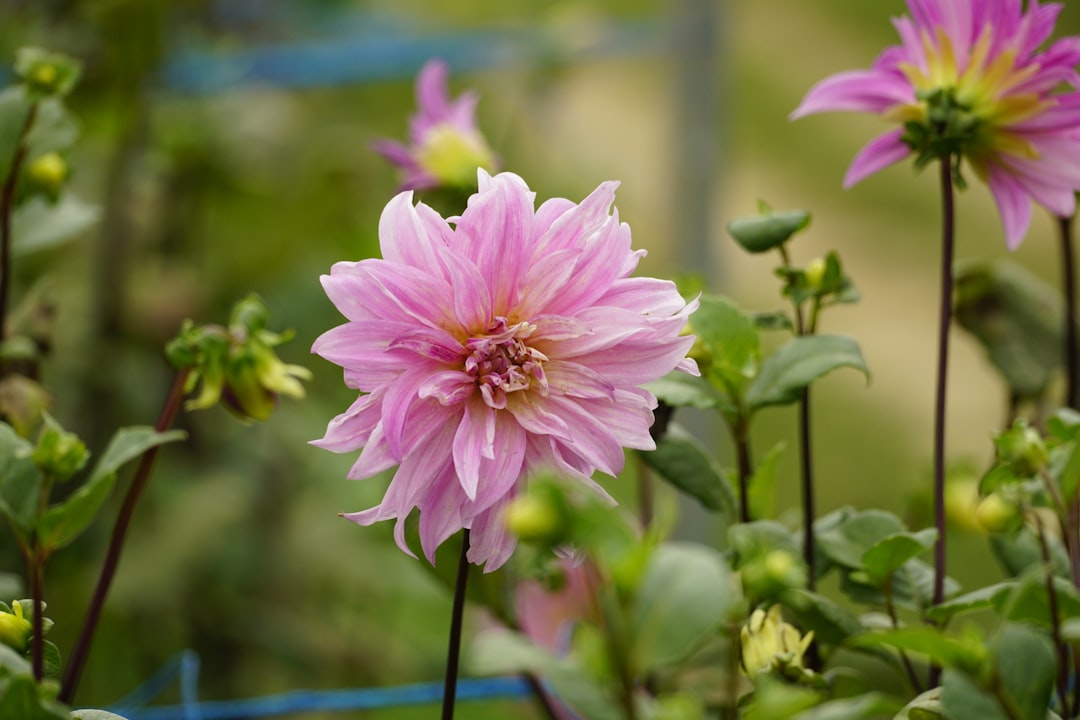
Fall is a magical season in the garden, and mums are undoubtedly one of the stars of the show. These vibrant and hardy flowers bring a burst of color to the landscape when many other plants are starting to fade. However, to truly make your fall mums stand out and create a stunning display, consider combining them with some carefully chosen companion plants. In this article, we'll explore the best companion plants for mums in both containers and flower beds, especially focusing on perennials that can add long - term beauty to your garden.
### Why Companion Planting with Mums?
Companion planting is not just about aesthetics; it also offers several practical benefits. When you pair mums with the right plants, you can enhance the overall health of your garden. Some companion plants can attract beneficial insects that help control pests, while others can improve soil quality. Additionally, combining different textures, colors, and heights can create a more visually appealing and dynamic garden space.
### Companion Plants for Mums in Containers
1. Ornamental Grasses
Ornamental grasses are an excellent choice to pair with mums in containers. Their fine, flowing foliage provides a beautiful contrast to the bold, rounded blooms of mums. Varieties like blue fescue (Festuca glauca) with its blue - gray color or Japanese blood grass (Imperata cylindrica 'Rubra') with its striking red tips can add a touch of elegance. These grasses are relatively low - maintenance and can tolerate similar growing conditions as mums, such as full sun and well - drained soil. They also add movement to the container arrangement, making it more interesting.
2. Pansies
Pansies are another great option for container companions. They come in a wide range of colors, from soft pastels to bright, vivid hues. Pansies can bloom in the fall and even tolerate light frosts, which makes them a perfect match for mums. Their small, delicate flowers create a lovely carpet of color around the base of the mums, adding a layer of charm to the container. You can choose different varieties of pansies to create a coordinated color scheme with your mums.
3. Sedums
Sedums are succulent plants that are well - suited for container gardening. They have thick, fleshy leaves that store water, making them drought - tolerant. Sedums like 'Autumn Joy' have clusters of pinkish - red flowers that bloom in the fall, complementing the colors of mums. Their low - growing habit also makes them a great filler plant in containers, helping to cover the soil and prevent moisture loss.
### Companion Plants for Mums in Flower Beds
1. Asters
Asters are a classic companion for mums in flower beds. They belong to the same family as mums (Asteraceae) and have similar growing requirements. Asters come in various colors, including purple, pink, and white, and their daisy - like flowers add a soft, airy quality to the garden. They bloom around the same time as mums, creating a harmonious display of color. Asters also attract pollinators, which is beneficial for the overall health of your garden.
2. Russian Sage
Russian sage (Perovskia atriplicifolia) is a perennial with silvery - gray foliage and tall, spiky clusters of lavender - blue flowers. It provides a wonderful backdrop for mums in flower beds. The tall, upright growth habit of Russian sage adds height and structure to the garden, while its airy texture contrasts nicely with the more compact mums. Russian sage is drought - tolerant and thrives in full sun, making it a great companion for mums in hot, dry climates.
3. Black - eyed Susans
Black - eyed Susans (Rudbeckia hirta) are cheerful, yellow - petaled flowers with dark centers. They are hardy perennials that bloom from mid - summer to fall, overlapping with the blooming period of mums. Black - eyed Susans are easy to grow and can tolerate a wide range of soil conditions. Their bright color adds a pop of sunshine to the flower bed and pairs well with the warm tones of many mums.
### Planting and Care Tips
When planting mums and their companion plants, make sure to choose a location that receives at least 6 hours of sunlight per day. Prepare the soil by adding organic matter such as compost to improve drainage and fertility. Water the plants regularly, especially during dry spells, but avoid over - watering as mums and many of their companions prefer well - drained soil. Deadhead spent flowers to encourage continuous blooming and remove any diseased or damaged foliage to keep the plants healthy.
In conclusion, by combining your fall mums with these companion plants in containers and flower beds, you can create a garden that is not only visually stunning but also ecologically balanced. Whether you choose perennials for long - term beauty or annuals for a quick splash of color, the right companions will make your mums truly pop this fall.
New