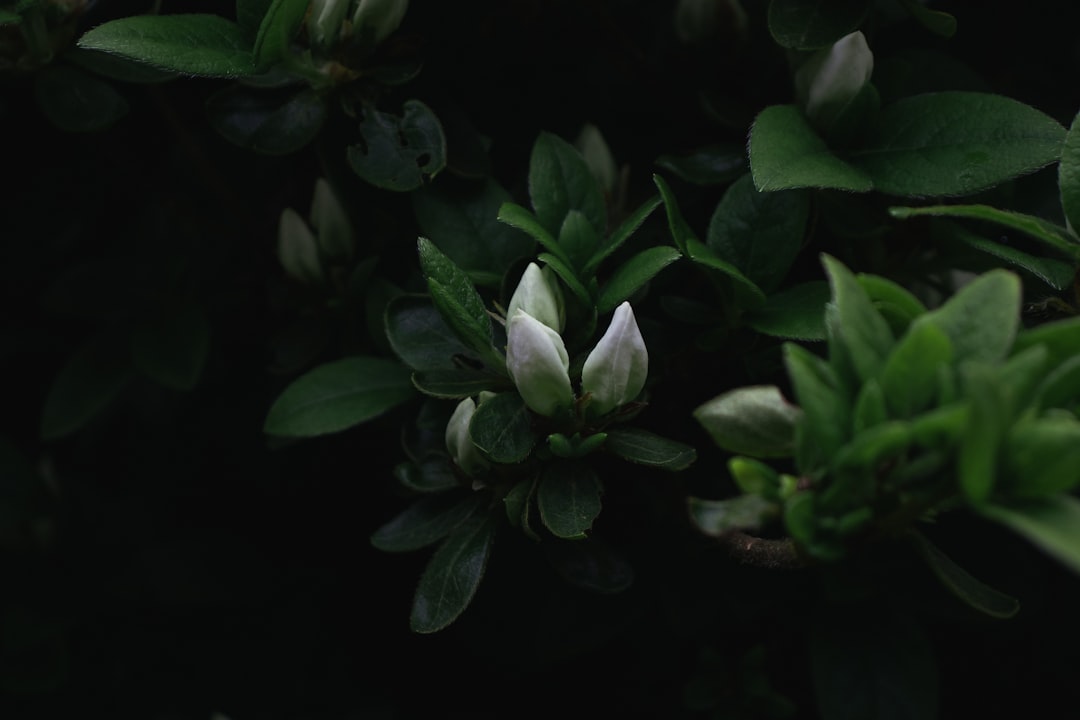
Flowers have always held a special place in our hearts. They bring color, fragrance, and a sense of tranquility to our surroundings. Among the many beautiful flowers, poppies stand out with their delicate petals and vibrant hues. In this article, we will explore the art of sowing poppies in your garden and the wonders they can bring when the weather warms up in spring.
Perennials are a great choice for any garden, as they come back year after year, saving you the time and effort of replanting. Poppies are one such perennial that can add a touch of elegance and charm to your outdoor space. There are several varieties of poppies to choose from, each with its own unique characteristics.
One of the most popular types of poppies is the Oriental poppy. These poppies are known for their large, showy flowers that come in a range of colors, including red, pink, orange, and white. They typically bloom in late spring or early summer and can reach a height of up to three feet. Oriental poppies prefer full sun and well - drained soil, making them ideal for many gardens.
Another variety is the Iceland poppy. These poppies have smaller, more delicate flowers and are available in a variety of pastel colors. They are a bit more cold - tolerant than some other poppy varieties and can bloom earlier in the spring. Iceland poppies are also great for adding a soft, romantic touch to your garden beds or borders.
Now, let's talk about the process of sowing poppy seeds. The best time to sow poppy seeds is in the fall or early winter. By sowing them at this time, the seeds can go through a period of cold stratification, which is necessary for germination. When the weather warms up in spring, the seeds will sprout and begin to grow.
First, prepare the soil in your garden. Poppies prefer soil that is loose, well - drained, and rich in organic matter. You can add compost or aged manure to the soil to improve its fertility. Rake the soil to create a smooth, even surface.
Next, scatter the poppy seeds over the prepared soil. You don't need to bury the seeds too deeply; just press them gently into the soil. Poppy seeds are very small, so be careful not to over - sow. A light scattering will usually be sufficient.
After sowing the seeds, water the area gently. Keep the soil moist but not waterlogged. As the weather gets colder, the seeds will enter a dormant state. During this time, you don't need to do much except wait for spring.
When spring arrives and the weather starts to warm up, you will notice the poppy seeds beginning to sprout. At this stage, it's important to thin out the seedlings if they are too crowded. This will give each plant enough space to grow and develop properly.
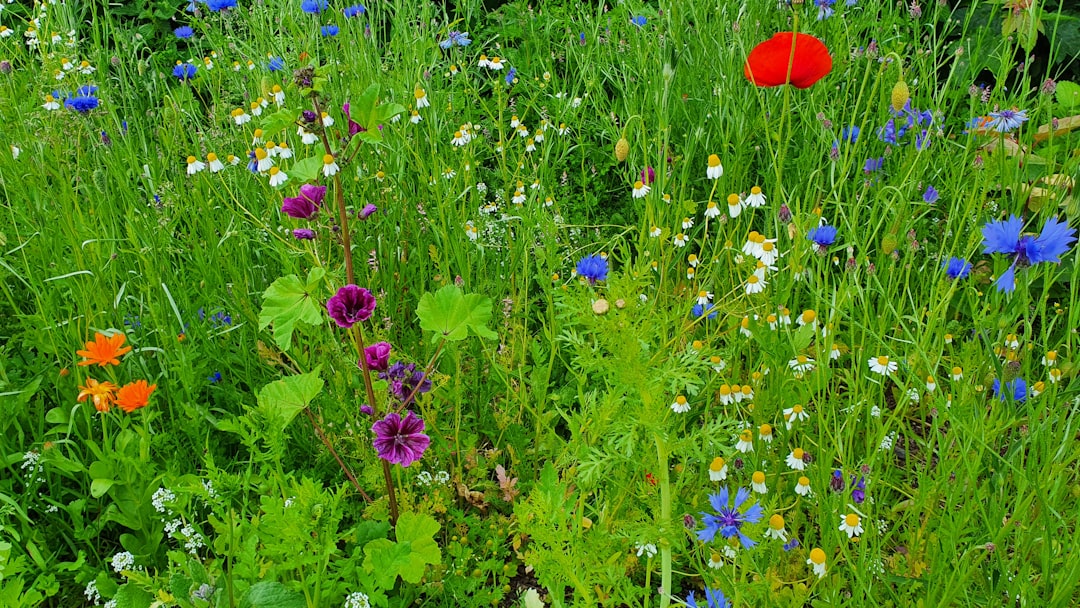
As the poppies grow, they will start to produce buds. These buds will eventually open into beautiful flowers. You can enjoy the sight of these colorful blooms for several weeks. Poppies are also great for attracting pollinators such as bees and butterflies to your garden, which is beneficial for the overall health of your garden ecosystem.
Once the poppies have finished blooming, you can leave the seed pods on the plants. The seed pods will dry out and release their seeds, which can be collected for future sowing or left to self - sow in the garden. This way, you can have a continuous supply of poppies in your garden year after year.
In conclusion, sowing poppies in your garden is a rewarding experience. It allows you to enjoy the beauty of these flowers in the spring and adds a touch of nature's magic to your outdoor space. Whether you are an experienced gardener or just starting out, poppies are a great choice for your perennial garden. So, go ahead and sow these poppies now, and get ready to be amazed by the wonders of spring.
New