The Enchanting Late - Bloomers in Your Garden
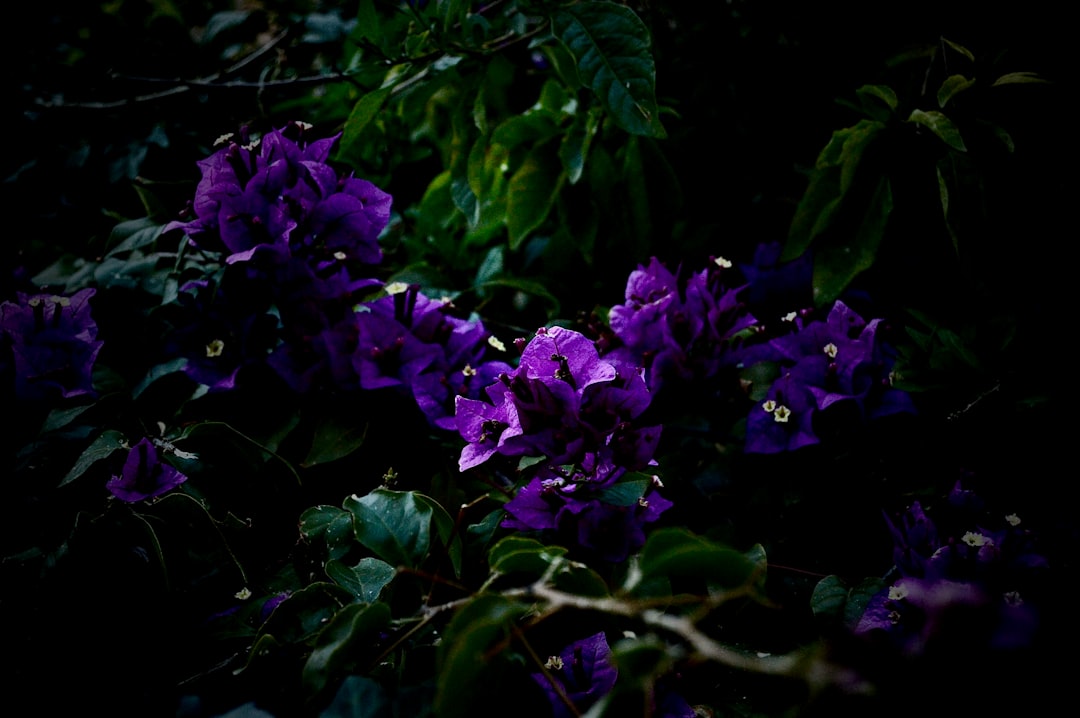
In the world of gardening, there exists a captivating plant that adds a touch of magic to the late - season landscape. The bluebeard plant, with its alluring purplish - blue blossoms, is a true gem that comes into its own when many other plants are starting to fade away.
Bluebeard plants are a remarkable addition to any garden. Their unique blooming time sets them apart from the crowd. As summer transitions into fall, while most of the garden is winding down, these shrubs burst into a riot of color. The purplish - blue flowers create a vivid contrast against the changing foliage of other plants, making them a focal point in the late - season garden.
One of the most appealing aspects of bluebeard plants is their relatively low maintenance. They are hardy shrubs that can tolerate a variety of soil conditions, as long as the soil is well - drained. They thrive in full sun, which means they need at least six hours of direct sunlight each day. This makes them suitable for many different garden settings, from large open gardens to smaller urban plots.
When it comes to pruning, bluebeard plants are quite forgiving. In late winter or early spring, it is advisable to prune them back to about six inches from the ground. This encourages new growth and helps maintain a compact, bushy shape. Pruning also stimulates the production of more flowers, ensuring a more spectacular display in the following season.
Bluebeard plants are not only beautiful but also attract a variety of pollinators. Bees, butterflies, and hummingbirds are often drawn to their nectar - rich blossoms. This makes them an excellent choice for gardeners who want to support local wildlife and create a more sustainable garden ecosystem.
In terms of landscaping, bluebeard plants can be used in a variety of ways. They can be planted in groups to form a colorful hedge or border. Their compact size also makes them suitable for container gardening, allowing you to add a splash of color to patios, balconies, or small outdoor spaces. When paired with other late - blooming plants such as asters or sedums, they create a harmonious and visually appealing combination.
Another advantage of bluebeard plants is their ability to adapt to different climates. They are generally cold - hardy and can withstand mild frosts. However, in areas with extremely cold winters, it may be necessary to provide some winter protection, such as mulching around the base of the plant.
When planting bluebeard plants, it is important to give them enough space to grow. They typically reach a height of two to three feet and a spread of about the same width. Planting them too close together can lead to overcrowding, which may reduce air circulation and increase the risk of disease.
To ensure the health and vitality of bluebeard plants, it is recommended to fertilize them in the spring. A balanced, slow - release fertilizer can provide the necessary nutrients for strong growth and abundant flowering. Watering should be done regularly, especially during dry spells, but be careful not to over - water as these plants do not like soggy soil.
In conclusion, bluebeard plants are a wonderful addition to any garden. Their late - season blooming, low maintenance requirements, and ability to attract pollinators make them a versatile and valuable plant. Whether you are an experienced gardener or just starting out, incorporating bluebeard plants into your garden can bring a touch of beauty and charm to the late - season landscape.