
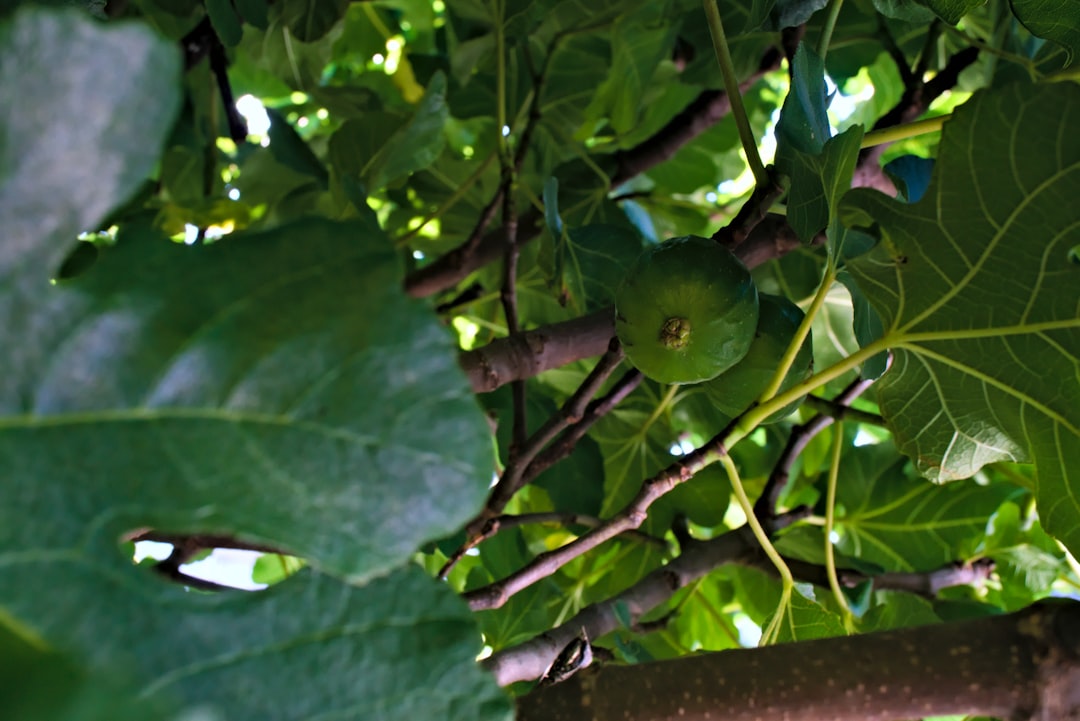
Flowers gardening is a rewarding hobby that allows us to connect with nature and create beautiful outdoor spaces. Among the many perennials that can grace our gardens, the sword fern stands out as a North American native with a big garden presence. In this guide, we will explore the essential tips on how to grow sword fern successfully.
Sword ferns (Polystichum munitum) are known for their elegant, sword - shaped fronds that can add a touch of lushness and greenery to any garden. They are hardy plants that can thrive in a variety of conditions, making them a popular choice for both novice and experienced gardeners.
One of the first steps in growing sword ferns is selecting the appropriate location. These ferns prefer partial to full shade. While they can tolerate some morning sun, too much direct sunlight can scorch their fronds. A north - facing or east - facing location in your garden is often ideal. They also thrive in areas with high humidity, so planting them near a water feature or in a naturally moist part of the garden can be beneficial.
The soil for sword ferns should be well - drained but rich in organic matter. You can amend the soil with compost, leaf mold, or well - rotted manure before planting. This will provide the ferns with the nutrients they need to grow strong and healthy.
When it comes to planting sword ferns, it's important to dig a hole that is slightly larger than the root ball of the plant. Gently place the fern in the hole, making sure the crown of the plant (where the fronds meet the roots) is at or slightly above the soil level. Backfill the hole with soil and gently firm it around the base of the plant.
Water the newly planted fern thoroughly. It's crucial to keep the soil consistently moist during the establishment period, which can take a few weeks. You can mulch around the base of the fern with a layer of bark chips or shredded leaves. Mulching helps to retain moisture, suppress weeds, and regulate soil temperature.
Sword ferns have moderate water requirements. They like the soil to be evenly moist but not waterlogged. During dry periods, you may need to water them more frequently. However, be careful not to overwater, as this can lead to root rot. A good way to check if the fern needs water is to stick your finger into the soil about an inch deep. If it feels dry, it's time to water.
Fertilizing sword ferns is not overly demanding. You can apply a balanced, slow - release fertilizer in the spring. This will provide the ferns with a steady supply of nutrients throughout the growing season. Avoid over - fertilizing, as this can cause excessive growth that may make the ferns more susceptible to pests and diseases.
Pruning sword ferns is relatively simple. You can remove any dead, damaged, or yellowing fronds at any time of the year. This not only improves the appearance of the fern but also helps to prevent the spread of diseases. In the late winter or early spring, you can cut back any old fronds to make way for new growth.
Keep an eye out for pests and diseases. While sword ferns are generally resistant to many common garden pests, they can occasionally be affected by slugs and snails. You can use organic slug and snail baits or create barriers around the plants to protect them. Fungal diseases can occur in overly wet conditions, so make sure the ferns have good air circulation.
There are a few ways to propagate sword ferns. One common method is by division. In the spring or fall, you can carefully dig up an established fern and divide the root ball into smaller sections. Each section should have a few fronds and a healthy root system. Replant the divided sections in suitable locations and water them well.
Another method of propagation is through spores. However, this is a more advanced and time - consuming process. You can collect the spores from the undersides of mature fronds and sow them on a suitable growing medium. Keep the medium moist and in a warm, shaded area until the spores germinate.
In conclusion, growing sword ferns can be a delightful experience. With the right location, proper planting, watering, fertilizing, pruning, and propagation techniques, you can enjoy the beauty of these North American natives in your garden for years to come. Their elegant fronds and low - maintenance nature make them a valuable addition to any flower garden.
Guardians of the Strawberry Patch: Top 10 Companion Plants
Guardians of the Strawberry Patch: Top 10 Companion Plants
The Art of Harvesting Jalapeños: A Guide to Perfect Heat
The Art of Harvesting Jalapeños: A Guide to Perfect Heat
The Wonders of Home - Grown Wheatgrass
The Wonders of Home - Grown Wheatgrass
The Art of Garlic Harvesting and Storage
The Art of Garlic Harvesting and Storage
Unleashing the Potential of Small Spaces in Vegetable Gardening
Unleashing the Potential of Small Spaces in Vegetable Gardening
The Secret to Bountiful Pepper Yields: Space Management
The Secret to Bountiful Pepper Yields: Space Management
Unveiling the Secrets of Lavender Harvesting
Unveiling the Secrets of Lavender Harvesting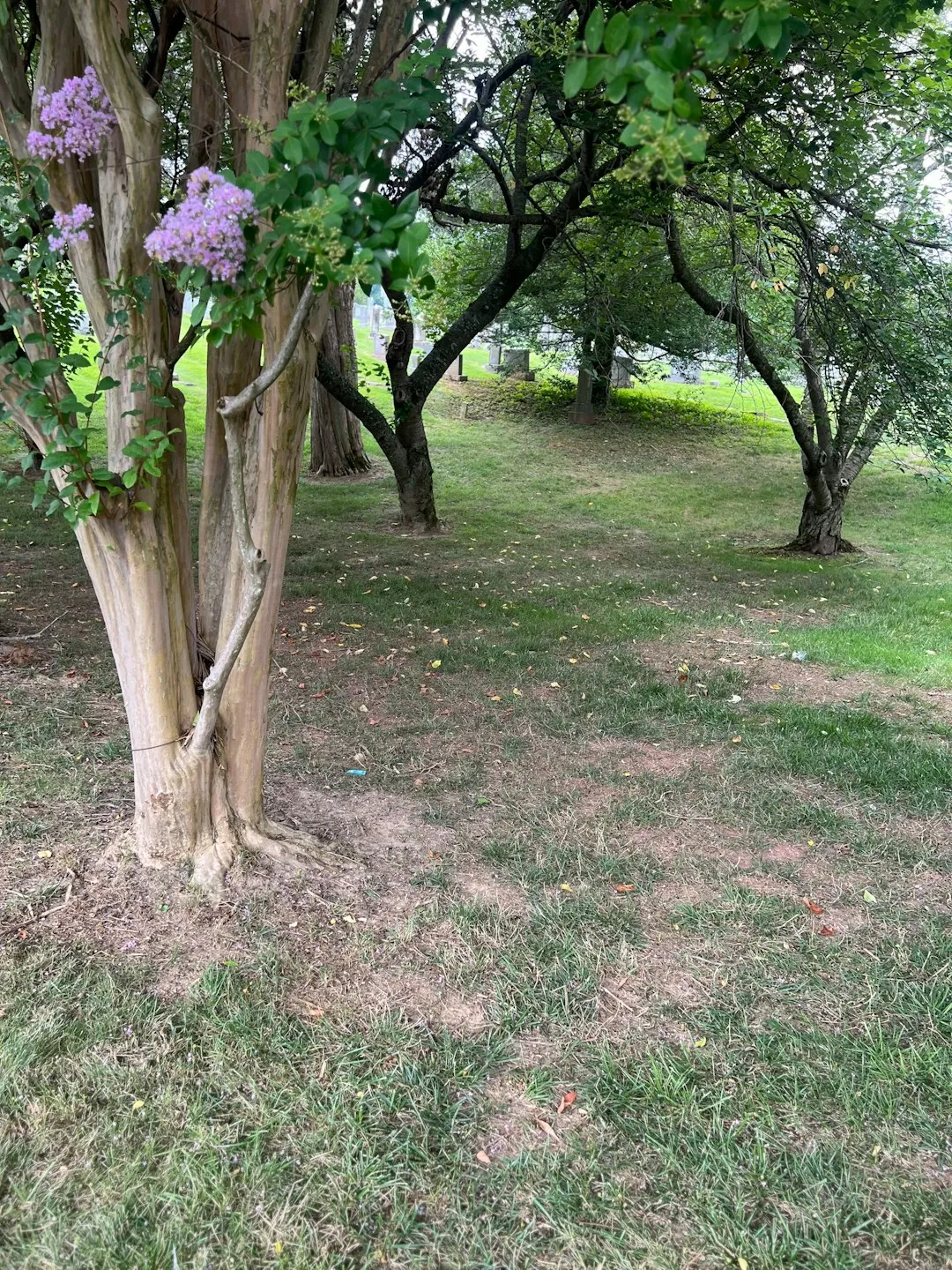
Unveiling the Secrets of New Guinea Impatiens in Shady Gardens
Unveiling the Secrets of New Guinea Impatiens in Shady Gardens
The Secret Rules of Dividing Perennial Plants in Your Garden
The Secret Rules of Dividing Perennial Plants in Your Garden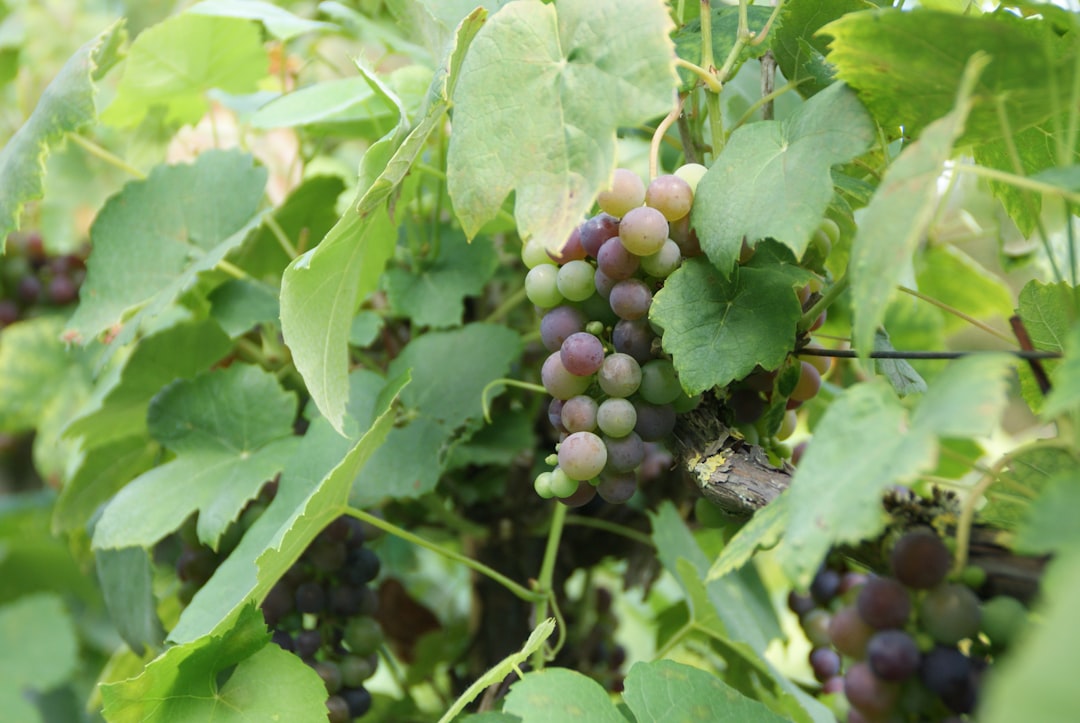
The Art of Lily Bulb Planting: Timing and Tips
The Art of Lily Bulb Planting: Timing and Tips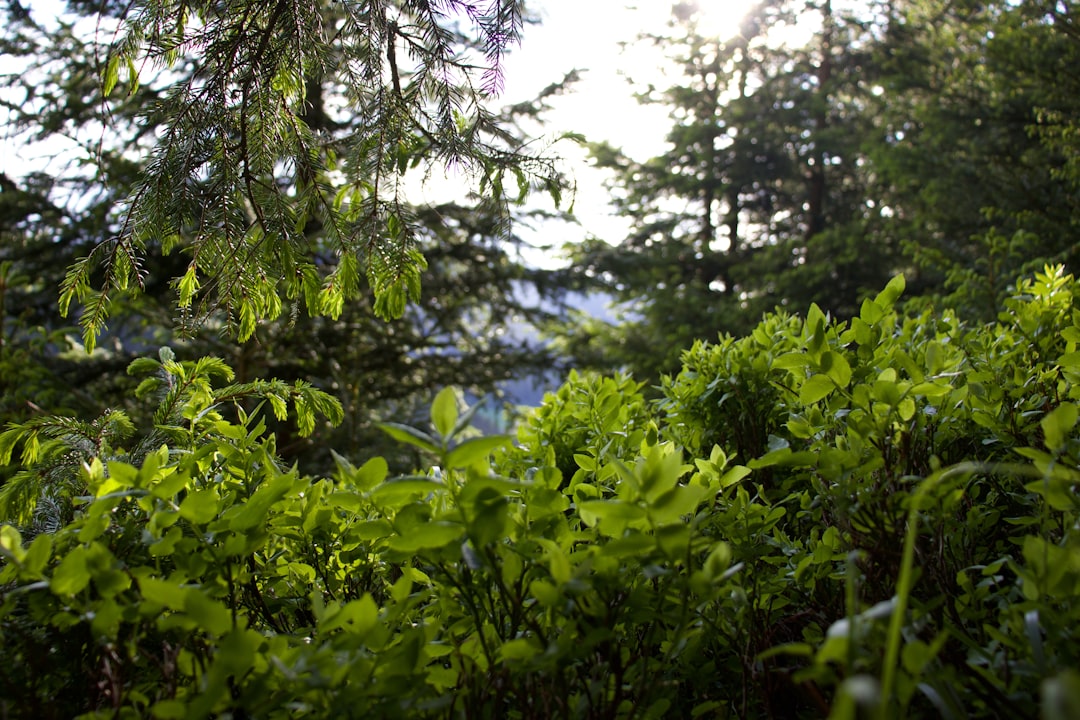
The Allure of Joseph's Coat Plants in Gardening and Indoors
The Allure of Joseph's Coat Plants in Gardening and Indoors
The Secret to a Year - Round Colorful Garden
The Secret to a Year - Round Colorful Garden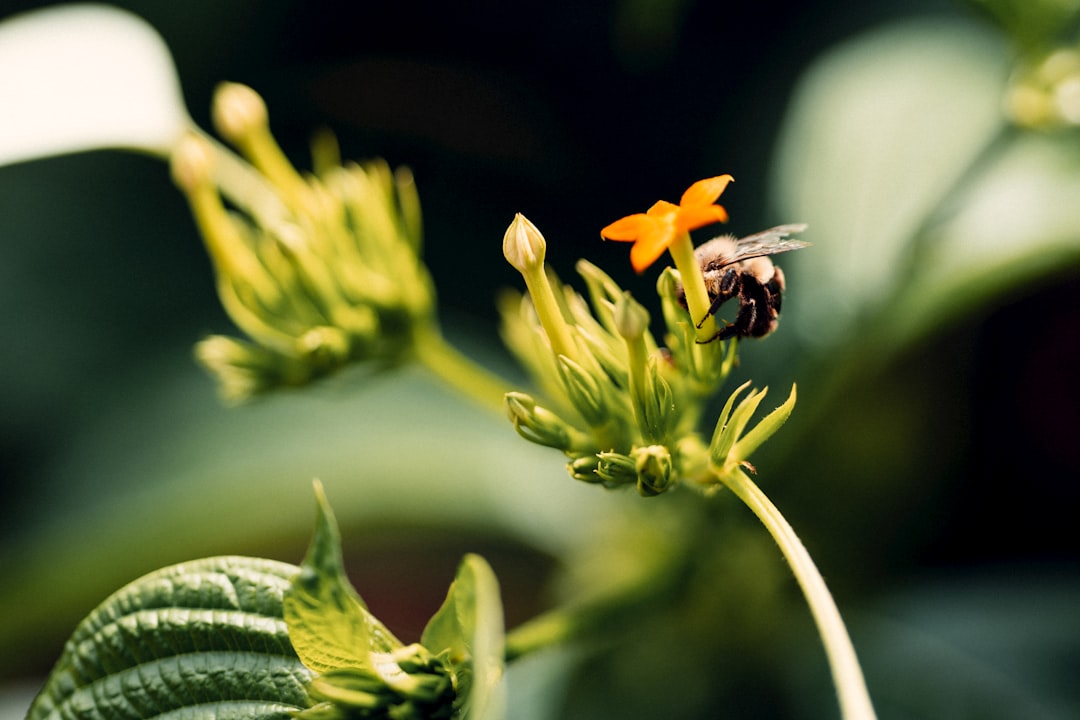
The Secret Weapon for Your Garden: Perennial Peanuts
The Secret Weapon for Your Garden: Perennial Peanuts
The Secret to a Lush Fall Lawn: Timing Your Watering Right
The Secret to a Lush Fall Lawn: Timing Your Watering Right
Secrets to a Thriving Raised - Bed Garden
Secrets to a Thriving Raised - Bed Garden
Unveiling the Truths in Your Garden
Unveiling the Truths in Your Garden
Navigating the Autumn Foliage Cleanup Dilemma in Your Neighborhood
Navigating the Autumn Foliage Cleanup Dilemma in Your Neighborhood
The Secret to Keeping Dahlias Upright in Your Yard
The Secret to Keeping Dahlias Upright in Your Yard
The Secret to a Thriving Yard: Sustainable Gardening
The Secret to a Thriving Yard: Sustainable Gardening
The Truth About Using Coffee Grounds to Change Hydrangea Colors
The Truth About Using Coffee Grounds to Change Hydrangea Colors

