Unveiling the Magic of Periwinkle in Your Garden
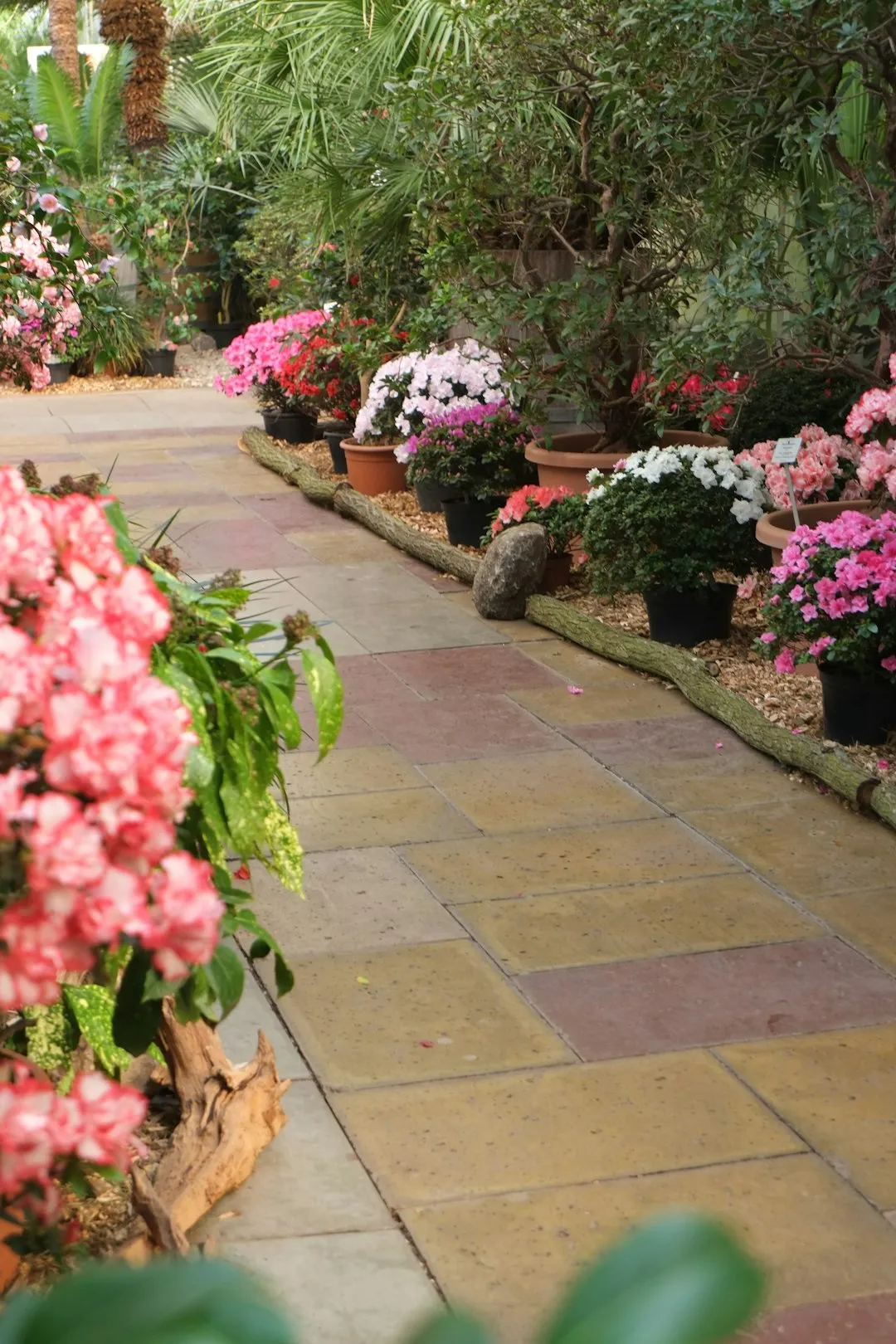
When it comes to gardening, especially in those challenging shady corners of your garden, finding the right plant can be a real game - changer. One such plant that stands out is periwinkle, a remarkable trailing perennial that can transform those tricky spots into a vibrant and beautiful part of your outdoor space.
Periwinkle, scientifically known as Vinca, comes in different varieties. The most common ones are Vinca minor and Vinca major. Vinca minor, also known as lesser periwinkle, is a low - growing plant that spreads quickly, making it an excellent ground cover. Its small, shiny leaves and delicate blue or purple flowers add a touch of elegance to any garden. Vinca major, on the other hand, is a bit larger in size, with bigger leaves and more prominent flowers. It can also be used as a ground cover but may require a bit more space to spread.
One of the main advantages of growing periwinkle is its adaptability to shady conditions. Many plants struggle to thrive in areas with limited sunlight, but periwinkle is a natural shade - lover. It can tolerate partial to full shade, making it ideal for those areas under trees or along the north - facing side of your house. This adaptability means that you can finally make use of those parts of your garden that have been sitting unused due to lack of sunlight.
Another great feature of periwinkle is its low - maintenance nature. Once established, it requires very little care. It is drought - tolerant, so you don't have to worry about watering it constantly. In fact, over - watering can be more harmful than beneficial to periwinkle. It can also withstand a wide range of soil conditions, from sandy to loamy. However, it prefers well - drained soil. If your soil is heavy and clayey, you can improve its drainage by adding some organic matter such as compost or peat moss.
Planting periwinkle is a relatively simple process. You can start with either seeds or cuttings. If you choose to start with seeds, sow them in a seed tray filled with a good quality seed - starting mix. Keep the soil moist and place the tray in a warm, shaded area. The seeds usually germinate within a few weeks. Once the seedlings are large enough to handle, you can transplant them into your garden. If you prefer using cuttings, take 3 - 4 inch cuttings from a healthy periwinkle plant. Remove the lower leaves and dip the cut end in a rooting hormone. Plant the cuttings in a pot filled with a well - drained potting mix and keep them in a shaded area until they develop roots. Then, you can transplant them into your garden.
Periwinkle also has some benefits beyond its aesthetic appeal. It can help prevent soil erosion, especially on slopes. Its dense growth habit holds the soil in place, reducing the risk of soil being washed away during heavy rains. Additionally, periwinkle is known to attract some beneficial insects such as bees and butterflies. These insects play an important role in pollination, which is essential for the health of your garden.
However, it's important to note that periwinkle can be invasive in some areas. Its rapid spreading nature can sometimes cause it to overtake other plants in your garden. To prevent this, you can regularly prune the plant to keep it in check. You can also create barriers around the periwinkle bed to limit its spread.
In conclusion, periwinkle is a wonderful plant for any garden, especially those with shady spots. Its adaptability, low - maintenance requirements, and aesthetic appeal make it a great choice for both novice and experienced gardeners. By following the simple steps of planting and caring for periwinkle, you can enjoy a beautiful and thriving garden even in those difficult areas.
So, if you have been looking for a plant to brighten up your shady garden corners, give periwinkle a try. You won't be disappointed with the results it brings to your outdoor oasis.