
When it comes to gardening, especially in the realm of creating a beautiful and sustainable landscape, perennial peanuts emerge as a remarkable choice. These unassuming plants offer a plethora of benefits that can transform your garden into a haven of beauty and functionality.
One of the primary advantages of growing perennial peanuts is their exceptional ability to control erosion. Their extensive root systems act like a natural net, holding the soil firmly in place. This is particularly crucial in areas prone to heavy rainfall or on sloped landscapes. When rain pours down, the roots prevent the top - soil from being washed away, preserving the integrity of your garden beds and protecting the underlying soil structure. This not only helps maintain the health of your garden but also contributes to the overall environmental stability of the area.
Another significant benefit is their effectiveness in weed suppression. Perennial peanuts form a dense ground cover as they grow. This thick carpet of foliage shades the soil, depriving weeds of the sunlight they need to germinate and thrive. Unlike traditional lawns that often require frequent weeding and the use of herbicides, perennial peanuts naturally keep unwanted plants at bay. This reduces the amount of time and effort you need to spend on maintaining a weed - free garden. It also means a more eco - friendly approach, as you can minimize the use of chemical weed killers that may have negative impacts on the environment and beneficial insects.
For those seeking a low - maintenance lawn alternative, perennial peanuts are a dream come true. They are highly adaptable and can tolerate a wide range of soil conditions, from sandy to loamy soils. Once established, they require relatively little water compared to traditional grasses. This makes them an ideal choice in regions with water restrictions or for gardeners looking to conserve water. Additionally, they don't need to be mowed as frequently as regular lawns. While a light trimming may be required occasionally to keep them looking neat, it's a far cry from the weekly mowing routine associated with traditional grass lawns.
Planting perennial peanuts is a straightforward process. First, prepare the soil by removing any existing weeds and debris. Loosen the soil to a depth of about 6 - 8 inches to allow the roots to penetrate easily. You can plant them from plugs or seeds. If using plugs, space them about 12 - 18 inches apart to give them room to spread. Water the newly planted peanuts regularly until they are well - established. After that, you can gradually reduce the watering frequency.
In terms of care, fertilization is not overly demanding. A slow - release fertilizer applied once or twice a year is usually sufficient to keep them healthy and vibrant. They are also relatively pest - resistant, which further simplifies the maintenance process. However, it's still a good idea to keep an eye out for any signs of pests or diseases and take appropriate action if necessary.
Perennial peanuts also have aesthetic appeal. Their bright green foliage and small, yellow flowers add a touch of charm to any garden. They can be used in a variety of landscaping designs, whether as a ground cover in a flower bed, around trees, or as an alternative to a traditional lawn. Their versatility makes them a valuable addition to any garden, regardless of its size or style.
As you embark on your journey of growing perennial peanuts, you'll find that they are not only a practical choice but also a rewarding one. They offer a sustainable and beautiful solution for erosion control, weed suppression, and a low - maintenance lawn. With a little effort and patience, you can enjoy the many benefits that these wonderful plants have to offer for years to come.
So, if you're looking to enhance your garden while reducing the time and resources spent on maintenance, consider giving perennial peanuts a try. They may just become your new favorite gardening companion.
Guardians of the Strawberry Patch: Top 10 Companion Plants
Guardians of the Strawberry Patch: Top 10 Companion Plants
The Art of Harvesting Jalapeños: A Guide to Perfect Heat
The Art of Harvesting Jalapeños: A Guide to Perfect Heat
The Wonders of Home - Grown Wheatgrass
The Wonders of Home - Grown Wheatgrass
The Art of Garlic Harvesting and Storage
The Art of Garlic Harvesting and Storage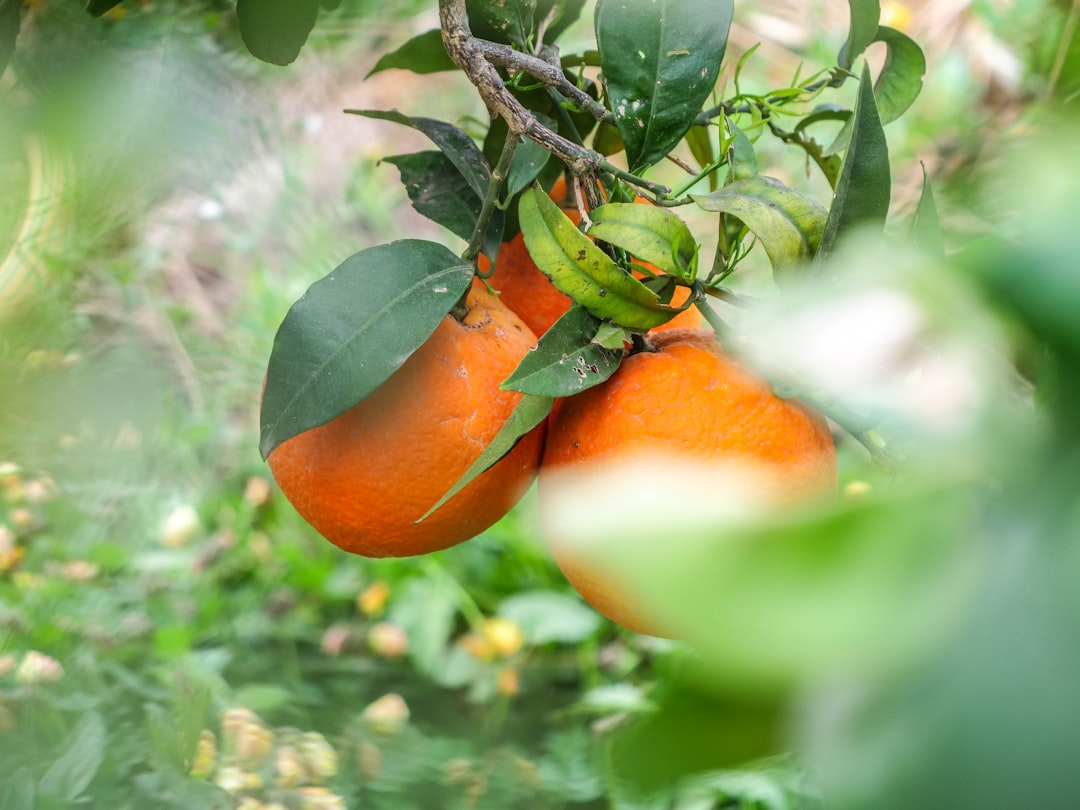
Unleashing the Potential of Small Spaces in Vegetable Gardening
Unleashing the Potential of Small Spaces in Vegetable Gardening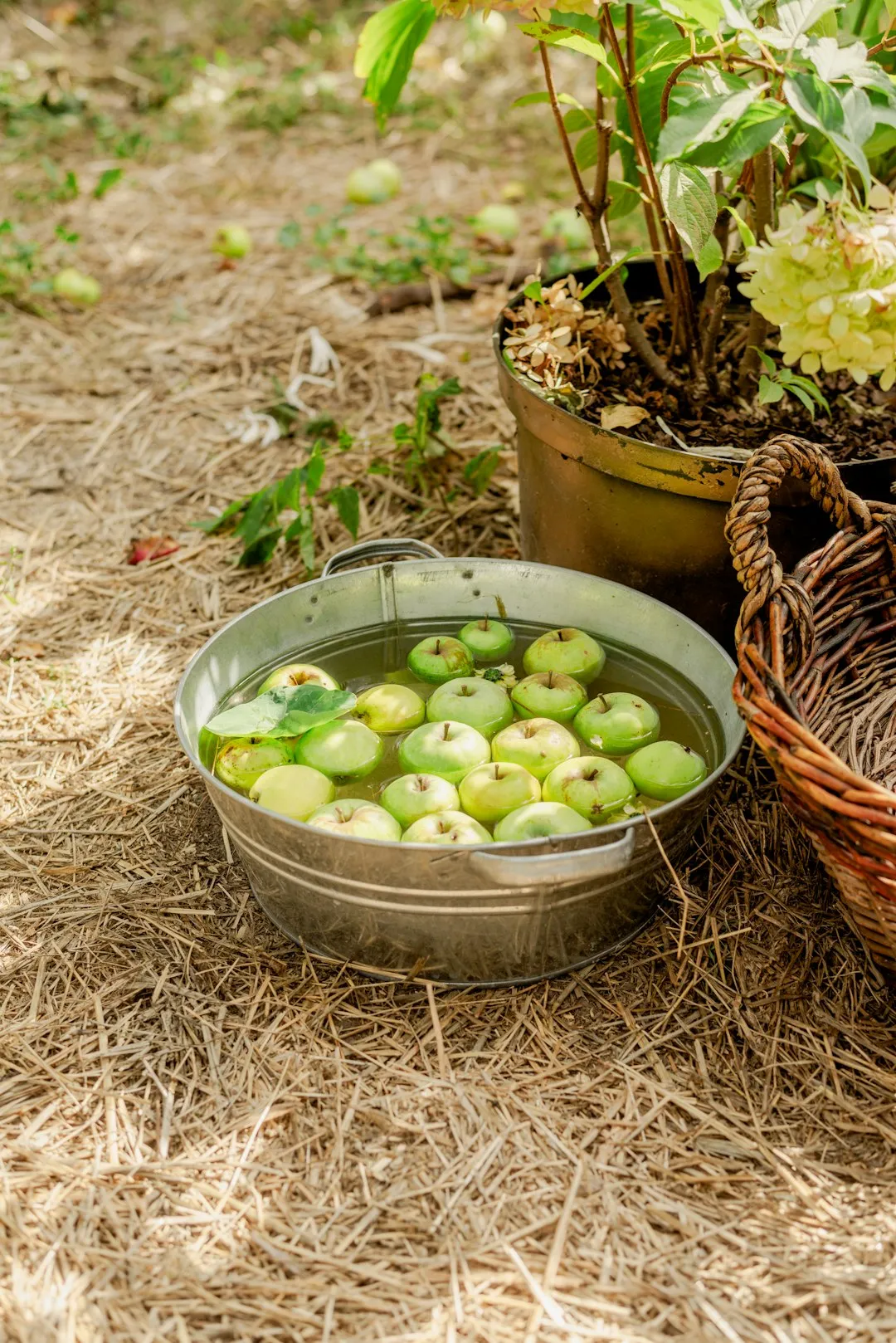
The Secret to Bountiful Pepper Yields: Space Management
The Secret to Bountiful Pepper Yields: Space Management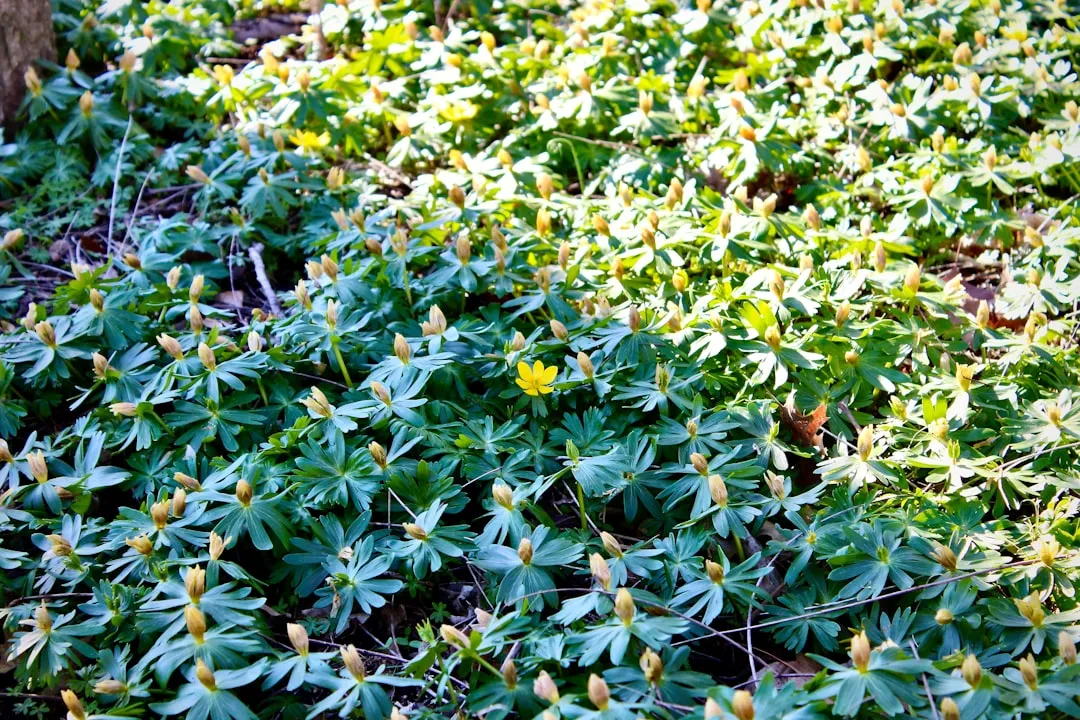
Unveiling the Secrets of Lavender Harvesting
Unveiling the Secrets of Lavender Harvesting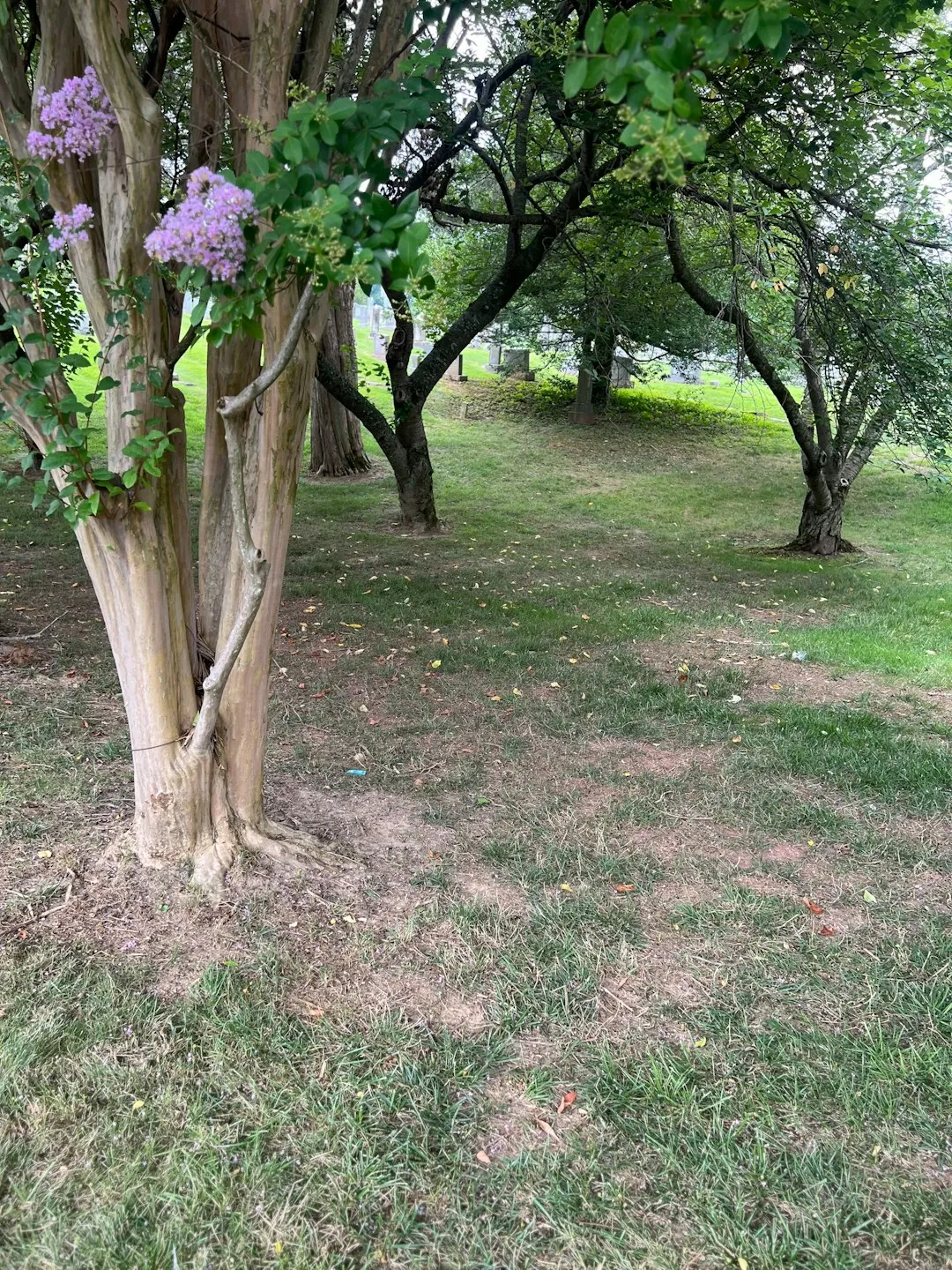
Unveiling the Secrets of New Guinea Impatiens in Shady Gardens
Unveiling the Secrets of New Guinea Impatiens in Shady Gardens
The Secret Rules of Dividing Perennial Plants in Your Garden
The Secret Rules of Dividing Perennial Plants in Your Garden
The Art of Lily Bulb Planting: Timing and Tips
The Art of Lily Bulb Planting: Timing and Tips
The Allure of Joseph's Coat Plants in Gardening and Indoors
The Allure of Joseph's Coat Plants in Gardening and Indoors
The Secret to a Year - Round Colorful Garden
The Secret to a Year - Round Colorful Garden
The Secret Weapon for Your Garden: Perennial Peanuts
The Secret Weapon for Your Garden: Perennial Peanuts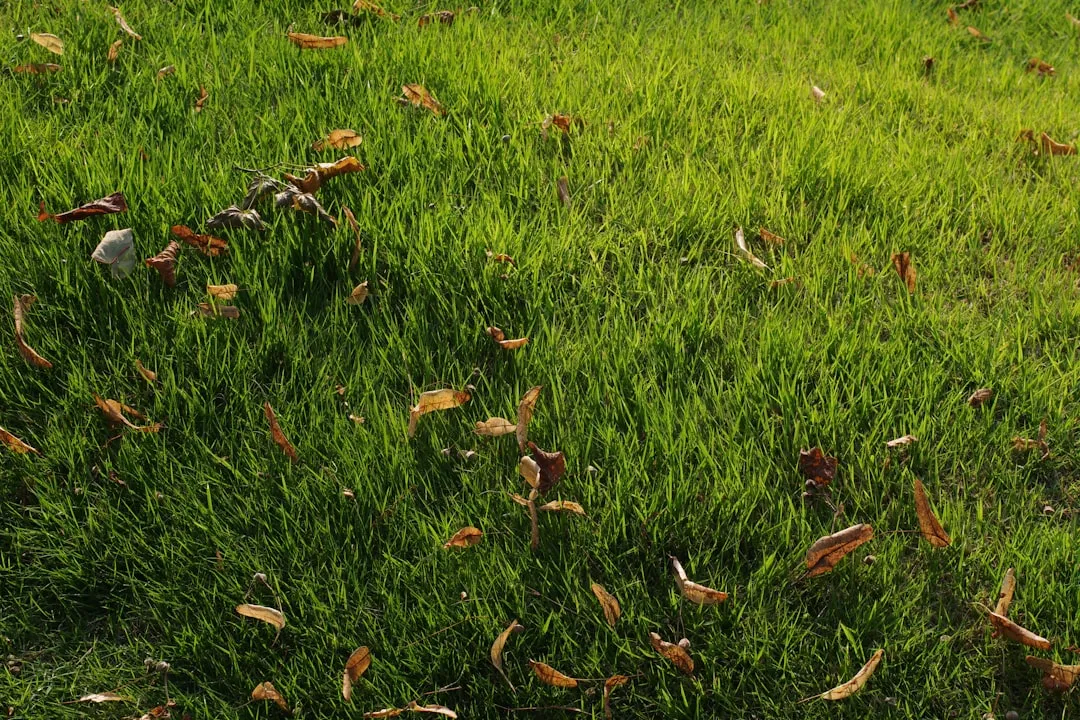
The Secret to a Lush Fall Lawn: Timing Your Watering Right
The Secret to a Lush Fall Lawn: Timing Your Watering Right
Secrets to a Thriving Raised - Bed Garden
Secrets to a Thriving Raised - Bed Garden
Unveiling the Truths in Your Garden
Unveiling the Truths in Your Garden
Navigating the Autumn Foliage Cleanup Dilemma in Your Neighborhood
Navigating the Autumn Foliage Cleanup Dilemma in Your Neighborhood
The Secret to Keeping Dahlias Upright in Your Yard
The Secret to Keeping Dahlias Upright in Your Yard
The Secret to a Thriving Yard: Sustainable Gardening
The Secret to a Thriving Yard: Sustainable Gardening
The Truth About Using Coffee Grounds to Change Hydrangea Colors
The Truth About Using Coffee Grounds to Change Hydrangea Colors

