
In the world of gardening, finding the perfect plants to fill in those empty spaces can be a challenging yet rewarding endeavor. Among the many options available, low - maintenance groundcovers stand out as an easy and beautiful solution. From shade - loving varieties to drought - tolerant types, these plants offer a range of benefits that can transform your garden into a lush and vibrant oasis.
Let's start by exploring shade - loving groundcovers. These plants are ideal for areas in your garden that receive limited sunlight, such as under large trees or along the north side of a building. One popular shade - loving groundcover is the Hosta. Hostas come in a wide variety of sizes, shapes, and colors, from small, delicate varieties to large, dramatic ones. Their foliage can range from deep green to variegated patterns of white and yellow, adding a touch of elegance to any shady spot. They are also relatively easy to care for, requiring only regular watering and occasional fertilization.
Another excellent shade - loving option is the Foamflower (Tiarella). Foamflowers produce clusters of delicate, foamy flowers in the spring, adding a splash of color to the otherwise subdued shade garden. Their leaves are often heart - shaped and have interesting patterns, making them an attractive addition even when not in bloom. Foamflowers are hardy perennials that can tolerate a range of soil conditions, as long as the soil is well - drained.
Moving on to drought - tolerant groundcovers, these plants are a great choice for areas with limited water availability or for gardeners who want to conserve water. One well - known drought - tolerant groundcover is the Sedum. Sedums are succulent plants that store water in their leaves, allowing them to survive long periods of drought. They come in many different forms, from low - growing varieties that spread quickly to taller, upright types. Sedums produce colorful flowers in the summer and fall, attracting bees and butterflies to your garden. They are also very easy to propagate, making them a cost - effective option for filling in large areas.
Another drought - tolerant groundcover is the Thyme. Thyme is a fragrant herb that not only adds beauty to your garden but also has culinary uses. There are several varieties of thyme that can be used as groundcovers, such as Woolly Thyme and Creeping Thyme. These thymes form a dense mat of foliage and produce small, pink or purple flowers in the summer. They are very hardy and can tolerate poor soil conditions, as long as the soil is well - drained. Thyme also releases a pleasant aroma when walked on, adding an extra sensory element to your garden.
One of the main advantages of using low - maintenance groundcovers is that they help to suppress weeds. By covering the soil surface, they prevent weed seeds from germinating and competing with your desired plants for nutrients and water. This can save you a significant amount of time and effort in the garden, as you won't have to spend as much time pulling weeds. Additionally, groundcovers can help to prevent soil erosion, especially on slopes or in areas with heavy rainfall.
When choosing low - maintenance groundcovers for your garden, it's important to consider the specific conditions of your site. Think about the amount of sunlight, soil type, and moisture levels in the area where you want to plant the groundcovers. You should also consider the growth habit of the plants, such as how quickly they spread and how tall they will grow. This will help you select the right plants to create a harmonious and functional garden.
In conclusion, low - maintenance groundcovers are a wonderful addition to any garden. Whether you have a shady corner or a sunny, dry area, there is a groundcover that will suit your needs. From the elegant Hostas in the shade to the hardy Sedums in the sun, these plants offer beauty, functionality, and ease of care. So, why not give them a try and see how they can transform your garden into a more beautiful and low - maintenance space?
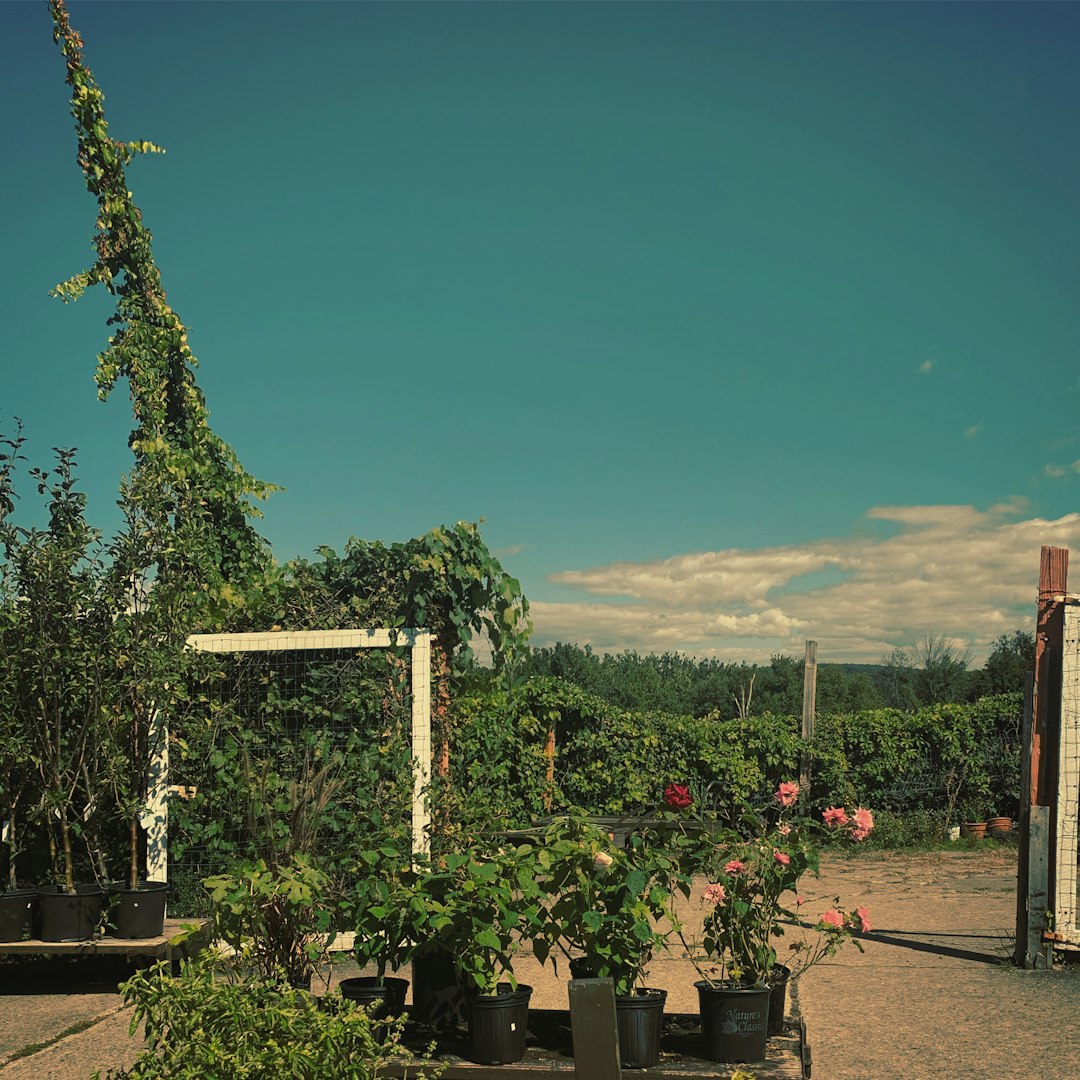
Guardians of the Strawberry Patch: Top 10 Companion Plants
Guardians of the Strawberry Patch: Top 10 Companion Plants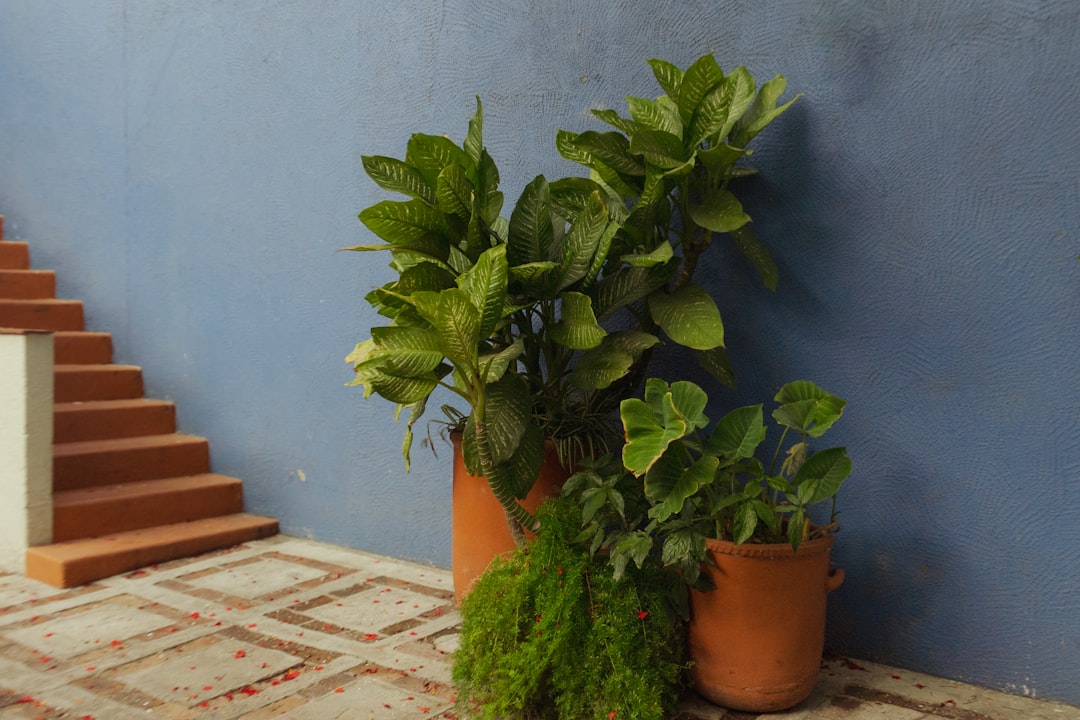
The Art of Harvesting Jalapeños: A Guide to Perfect Heat
The Art of Harvesting Jalapeños: A Guide to Perfect Heat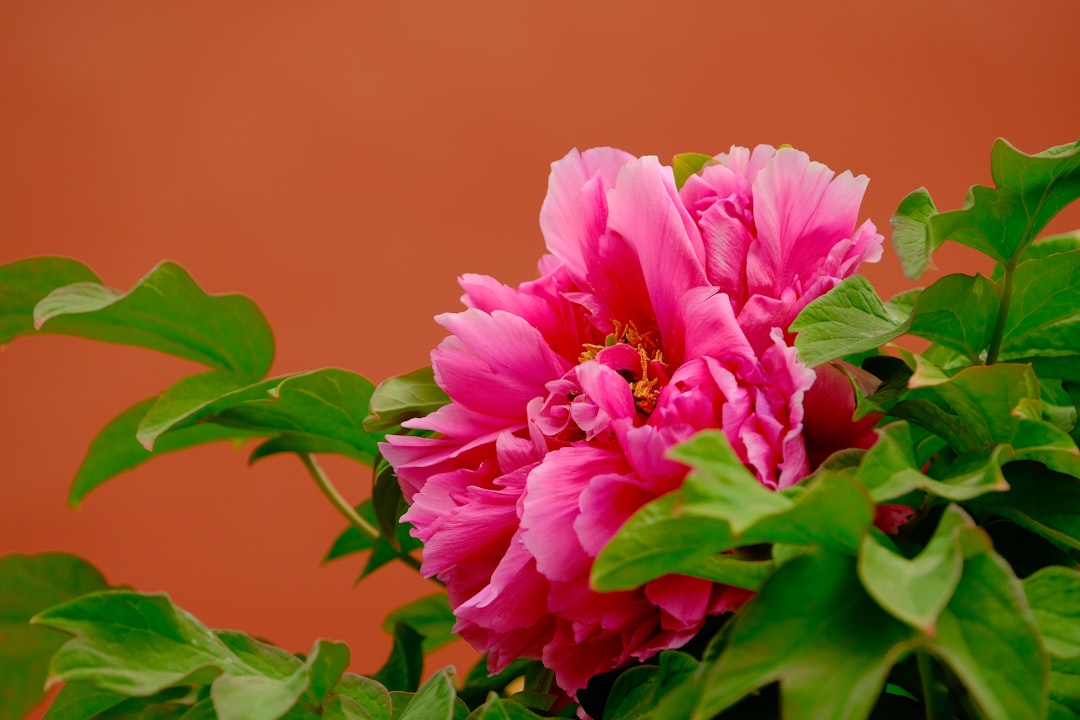
The Wonders of Home - Grown Wheatgrass
The Wonders of Home - Grown Wheatgrass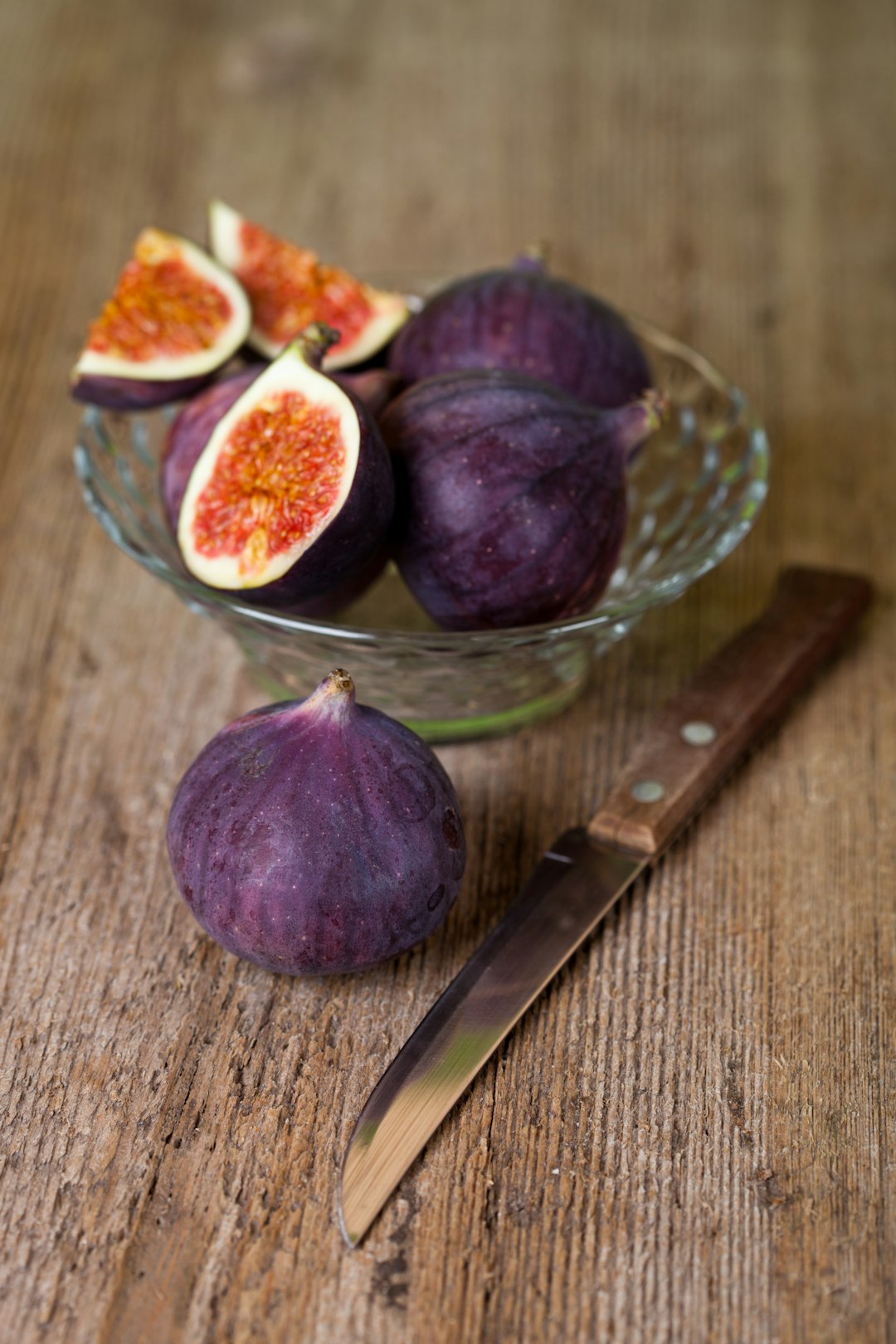
The Art of Garlic Harvesting and Storage
The Art of Garlic Harvesting and Storage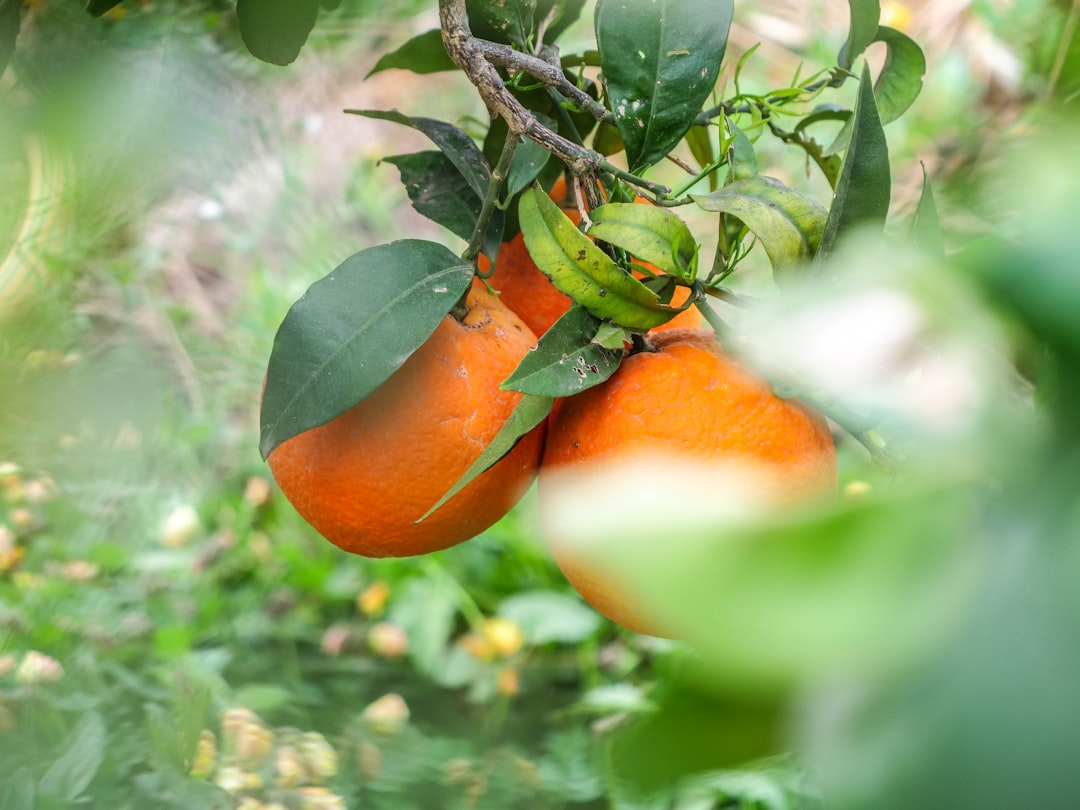
Unleashing the Potential of Small Spaces in Vegetable Gardening
Unleashing the Potential of Small Spaces in Vegetable Gardening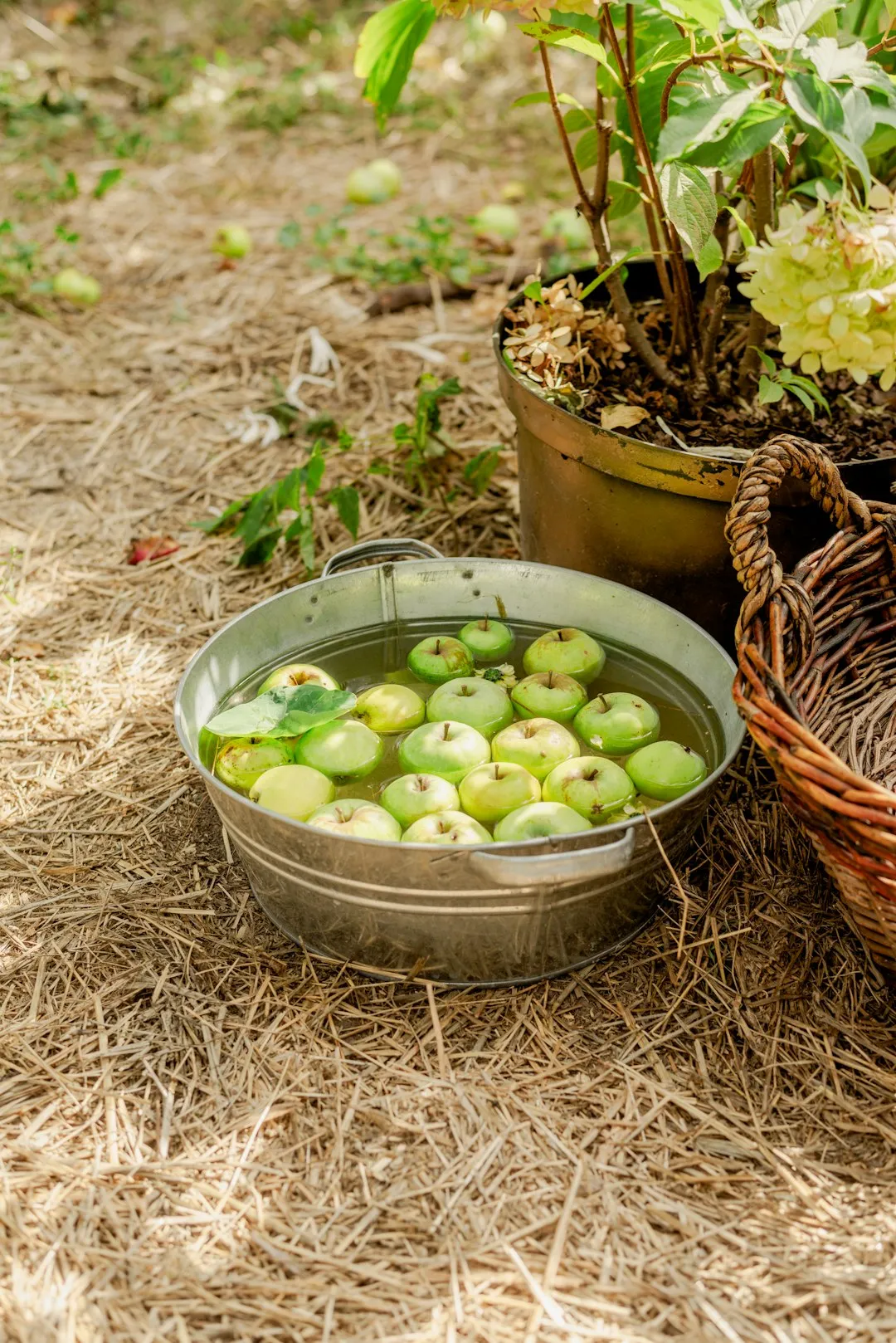
The Secret to Bountiful Pepper Yields: Space Management
The Secret to Bountiful Pepper Yields: Space Management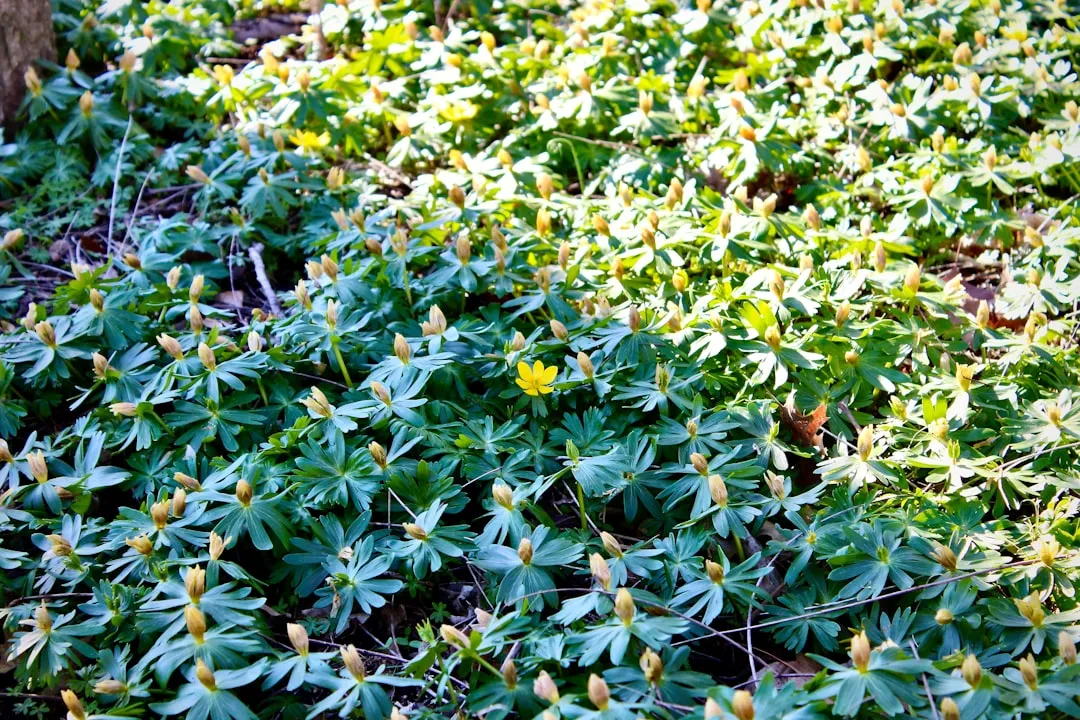
Unveiling the Secrets of Lavender Harvesting
Unveiling the Secrets of Lavender Harvesting
Unveiling the Secrets of New Guinea Impatiens in Shady Gardens
Unveiling the Secrets of New Guinea Impatiens in Shady Gardens
The Secret Rules of Dividing Perennial Plants in Your Garden
The Secret Rules of Dividing Perennial Plants in Your Garden
The Art of Lily Bulb Planting: Timing and Tips
The Art of Lily Bulb Planting: Timing and Tips
The Allure of Joseph's Coat Plants in Gardening and Indoors
The Allure of Joseph's Coat Plants in Gardening and Indoors
The Secret to a Year - Round Colorful Garden
The Secret to a Year - Round Colorful Garden
The Secret Weapon for Your Garden: Perennial Peanuts
The Secret Weapon for Your Garden: Perennial Peanuts
The Secret to a Lush Fall Lawn: Timing Your Watering Right
The Secret to a Lush Fall Lawn: Timing Your Watering Right
Secrets to a Thriving Raised - Bed Garden
Secrets to a Thriving Raised - Bed Garden
Unveiling the Truths in Your Garden
Unveiling the Truths in Your Garden
Navigating the Autumn Foliage Cleanup Dilemma in Your Neighborhood
Navigating the Autumn Foliage Cleanup Dilemma in Your Neighborhood
The Secret to Keeping Dahlias Upright in Your Yard
The Secret to Keeping Dahlias Upright in Your Yard
The Secret to a Thriving Yard: Sustainable Gardening
The Secret to a Thriving Yard: Sustainable Gardening
The Truth About Using Coffee Grounds to Change Hydrangea Colors
The Truth About Using Coffee Grounds to Change Hydrangea Colors

