The Optimal Time to Nurture Your Roses: Spring or Fall?
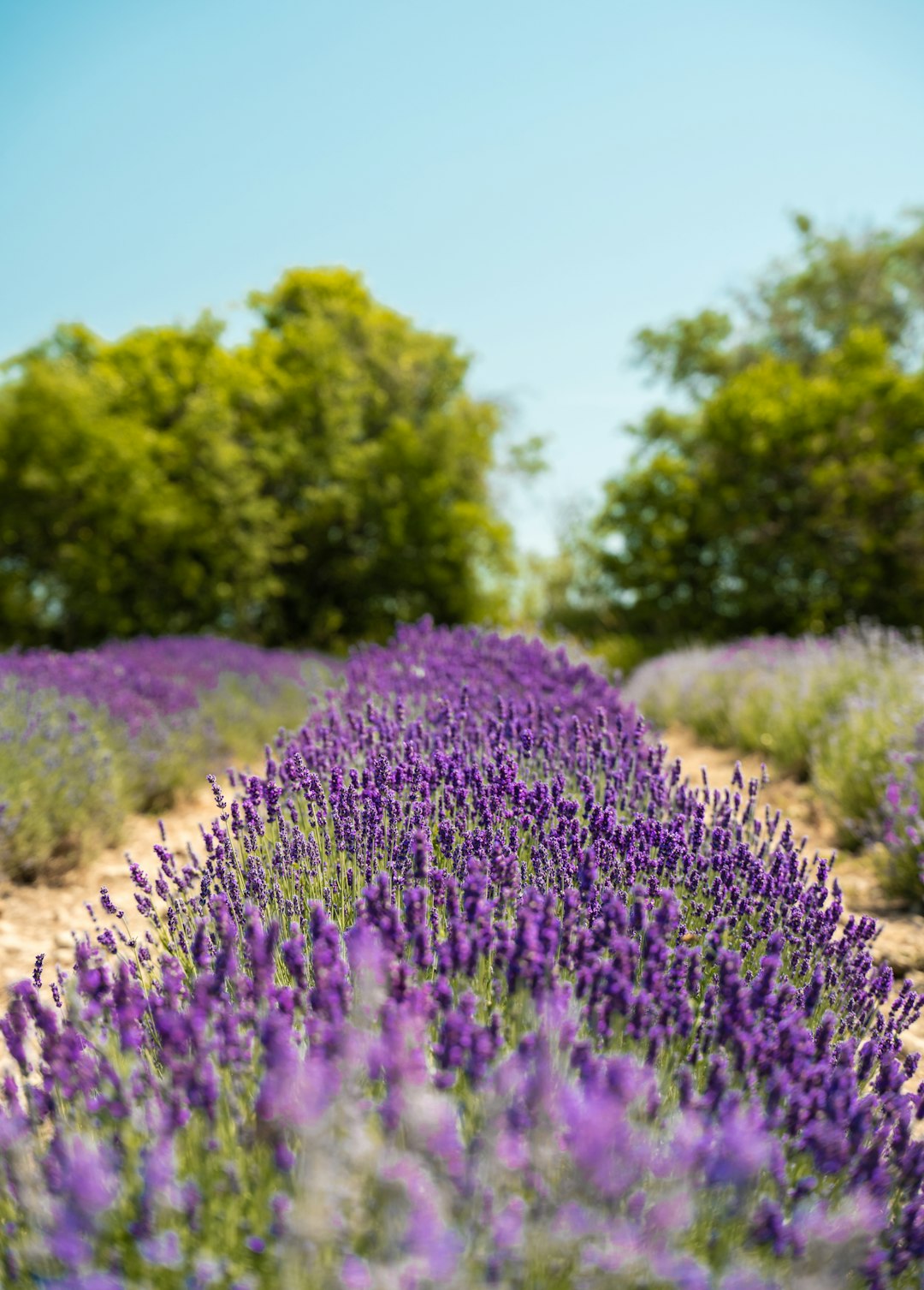
When it comes to cultivating the exquisite roses in your garden, one of the most crucial decisions you'll make is determining the best time to plant them. The age - old question lingers: is it better to plant roses in spring or fall? Let's delve into this topic and gain expert advice on the matter, while also considering how your local climate plays a significant role in this decision - making process.
Spring is often hailed as a prime time for planting roses. As the cold winter recedes and the soil begins to thaw, the earth becomes more workable. The rising temperatures and increasing daylight hours provide an ideal environment for new plants to establish themselves. When you plant roses in spring, they have the entire growing season ahead of them to develop a strong root system. This early start allows the roses to take full advantage of the abundant nutrients in the soil, as well as the favorable weather conditions for growth.
One of the key benefits of spring planting is that it gives the roses a chance to acclimate to their new surroundings gradually. The milder spring weather is less stressful for the young plants compared to the extreme heat of summer or the cold of winter. Additionally, spring - planted roses are more likely to bloom in the same year, providing you with a colorful display of flowers in a relatively short period. This immediate gratification can be incredibly rewarding for gardeners, especially those who are eager to see the fruits of their labor.
However, fall also presents a compelling case for rose planting. As the summer heat subsides and the nights start to cool, the soil retains a significant amount of warmth. This warm soil encourages root growth, as the roots can continue to develop even after the above - ground growth has slowed down. Fall - planted roses have the opportunity to focus their energy on root development during the cooler months, which sets them up for a more vigorous growth spurt in the following spring.
Another advantage of fall planting is that there is generally less competition for resources. The summer - blooming plants have finished their growth cycle, and the soil is less depleted of nutrients. This means that the newly planted roses can access the necessary elements for healthy growth without having to compete with other plants. Moreover, fall is often a time when nurseries offer discounts on roses, making it a more cost - effective option for gardeners.
Now, let's talk about how climate affects the planting time. In regions with mild winters, fall planting can be an excellent choice. The roses can establish their roots during the fall and winter, and when spring arrives, they are ready to burst into growth. In these areas, the risk of frost damage is relatively low, allowing the roses to thrive without the threat of extreme cold.
On the other hand, in regions with harsh winters, spring planting may be the safer option. Planting in spring ensures that the roses are not exposed to the freezing temperatures and heavy snowfall that can damage or kill young plants. The roses can start their growth cycle when the weather is more stable and the soil has warmed up sufficiently.
In areas with hot summers, fall planting can help the roses avoid the stress of the intense heat. By the time summer rolls around, the roses have already developed a strong root system, which allows them to better withstand the high temperatures. In contrast, spring - planted roses in these areas may struggle to survive the summer heat if they have not had enough time to establish themselves.
To sum it up, both spring and fall have their merits when it comes to planting roses. The best time ultimately depends on your local climate and your personal gardening goals. If you're looking for immediate blooms and a quick start to your rose garden, spring planting may be the way to go. However, if you want to give your roses a head start on root development and take advantage of cost - savings, fall planting could be the better option. By considering these factors and seeking advice from local gardening experts, you can make an informed decision and ensure that your roses thrive in your garden for years to come.