
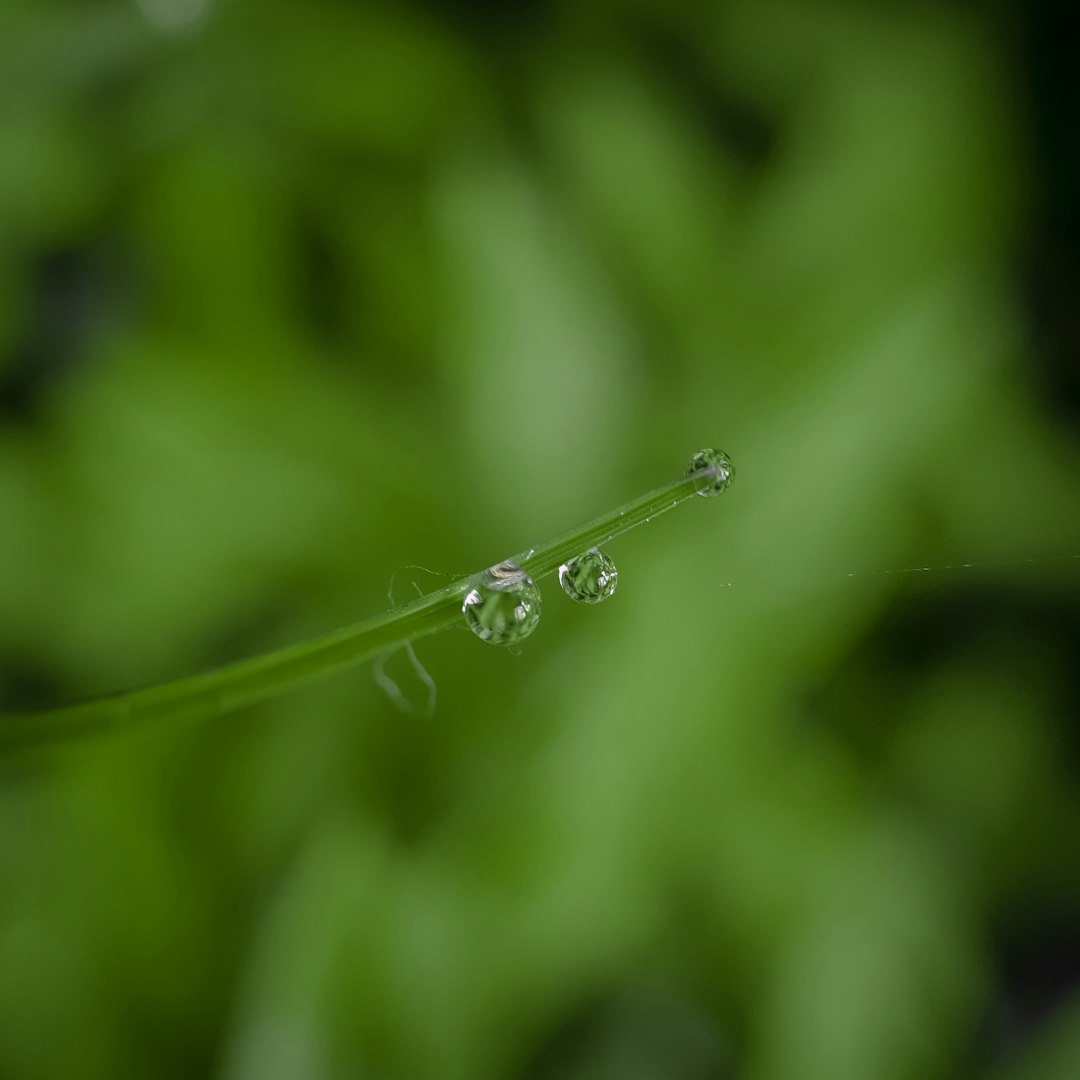
Flowers have always held a special place in the world of nature. They not only add beauty to our surroundings but also play a crucial role in the ecosystem. One of the most fascinating relationships in nature is the connection between flowers and hummingbirds. Hummingbirds are attracted to flowers that are rich in nectar and have vibrant colors. In this article, we will explore some of the best flowers to grow if you want to attract these tiny, energetic birds to your garden.
First on our list is the Trumpet Vine (Campsis radicans). This vigorous climber is a favorite among hummingbirds. Its long, tubular, orange - red flowers are filled with sweet nectar. The trumpet - shaped blossoms are perfectly designed for the long beaks of hummingbirds to reach deep inside and extract the nectar. Trumpet Vines can grow quite large, so they are ideal for covering fences, trellises, or arbors. They thrive in full sun and well - drained soil. However, it's important to note that they can be invasive in some areas, so keep an eye on their growth.
Next is the Bee Balm (Monarda didyma). Also known as Bergamot, Bee Balm produces clusters of bright red, pink, or purple flowers. These flowers have a unique shape that resembles a pom - pom. The nectar in Bee Balm is easily accessible to hummingbirds, and the plant's strong fragrance also helps to attract them. Bee Balm prefers full sun to partial shade and moist, well - drained soil. It's also a great addition to a pollinator garden as it attracts bees and butterflies as well.
The Cardinal Flower (Lobelia cardinalis) is another excellent choice. With its striking red, tubular flowers, it stands out in any garden. The bright red color is highly attractive to hummingbirds, as they are particularly drawn to the color red. Cardinal Flowers grow best in moist, shady areas, making them a great option for woodland gardens or near water features. They are also a native plant in many regions, which means they are well - adapted to the local environment and require less maintenance.
Fuchsia is a popular ornamental plant that is also a hit with hummingbirds. Fuchsias come in a wide range of colors, including pink, purple, red, and white. Their pendulous, bell - shaped flowers are filled with nectar. They can be grown in containers on patios or balconies, or in garden beds. Fuchsias prefer partial shade and well - drained, fertile soil. They need to be watered regularly, especially during hot, dry weather.
Salvia is a diverse genus of plants that includes many species that are attractive to hummingbirds. For example, the Scarlet Sage (Salvia coccinea) has bright red flowers that are a magnet for these little birds. Salvias are generally easy to grow and require full sun and well - drained soil. They come in different sizes, from low - growing groundcovers to tall, upright varieties, so you can choose the one that suits your garden layout.
When planning your garden to attract hummingbirds, it's important to consider the blooming period of the flowers. Try to select a variety of flowers that bloom at different times throughout the growing season. This way, you can provide a continuous source of nectar for the hummingbirds. For example, plant early - blooming flowers like columbines in the spring, then follow them with mid - season bloomers like Bee Balm, and end with late - season flowers like Salvia.
Another aspect to keep in mind is the overall design of your garden. Create a layered look by combining tall plants with shorter ones. This not only adds visual interest but also provides different levels for the hummingbirds to feed at. You can also add some water features, such as a small fountain or a birdbath. Hummingbirds need water not only for drinking but also for bathing. The sound of running water can also attract them to your garden.
In addition to choosing the right flowers, it's important to avoid using pesticides in your garden. Pesticides can be harmful to hummingbirds and other pollinators. Instead, use natural pest control methods, such as companion planting. For example, planting marigolds near your flowers can help repel pests. You can also attract beneficial insects, such as ladybugs, which will help control aphids and other pests.
To sum it up, creating a hummingbird - friendly garden is a rewarding experience. By choosing the right flowers, considering the blooming period, and creating a suitable environment, you can enjoy the sight of these beautiful, agile birds flitting among the blossoms. So, roll up your sleeves, grab your gardening tools, and start planting those hummingbird - attracting flowers today!
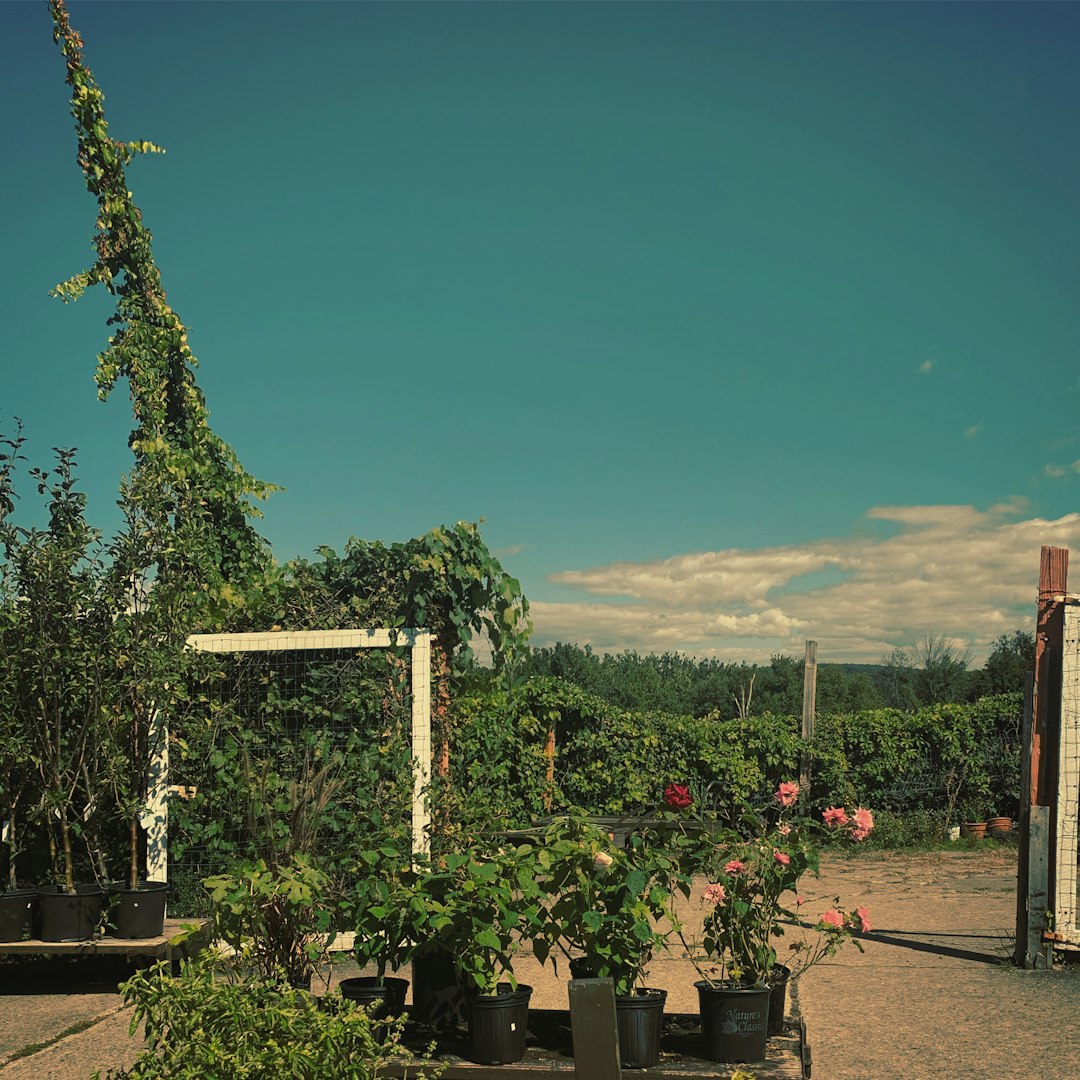
Guardians of the Strawberry Patch: Top 10 Companion Plants
Guardians of the Strawberry Patch: Top 10 Companion Plants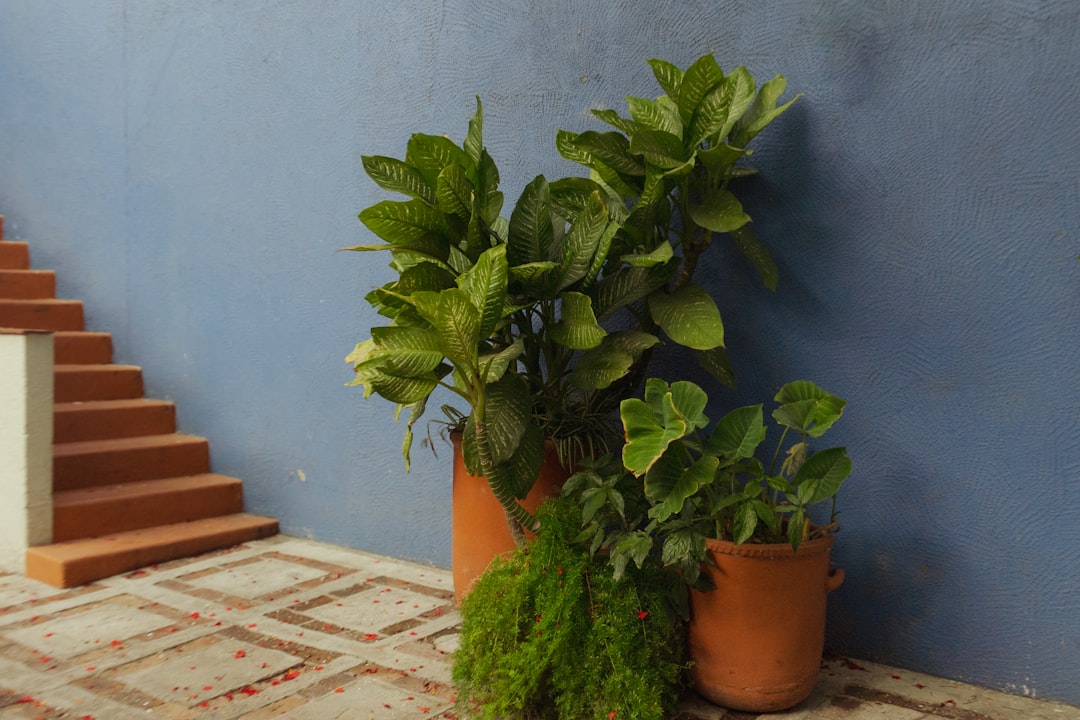
The Art of Harvesting Jalapeños: A Guide to Perfect Heat
The Art of Harvesting Jalapeños: A Guide to Perfect Heat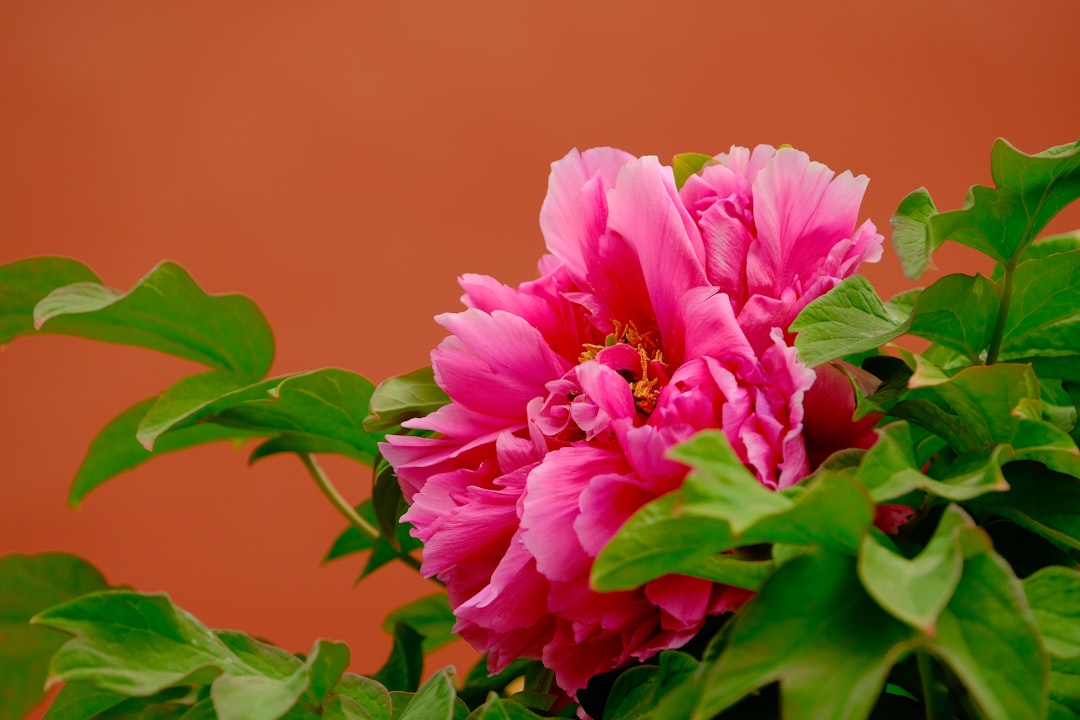
The Wonders of Home - Grown Wheatgrass
The Wonders of Home - Grown Wheatgrass
The Art of Garlic Harvesting and Storage
The Art of Garlic Harvesting and Storage
Unleashing the Potential of Small Spaces in Vegetable Gardening
Unleashing the Potential of Small Spaces in Vegetable Gardening
The Secret to Bountiful Pepper Yields: Space Management
The Secret to Bountiful Pepper Yields: Space Management
Unveiling the Secrets of Lavender Harvesting
Unveiling the Secrets of Lavender Harvesting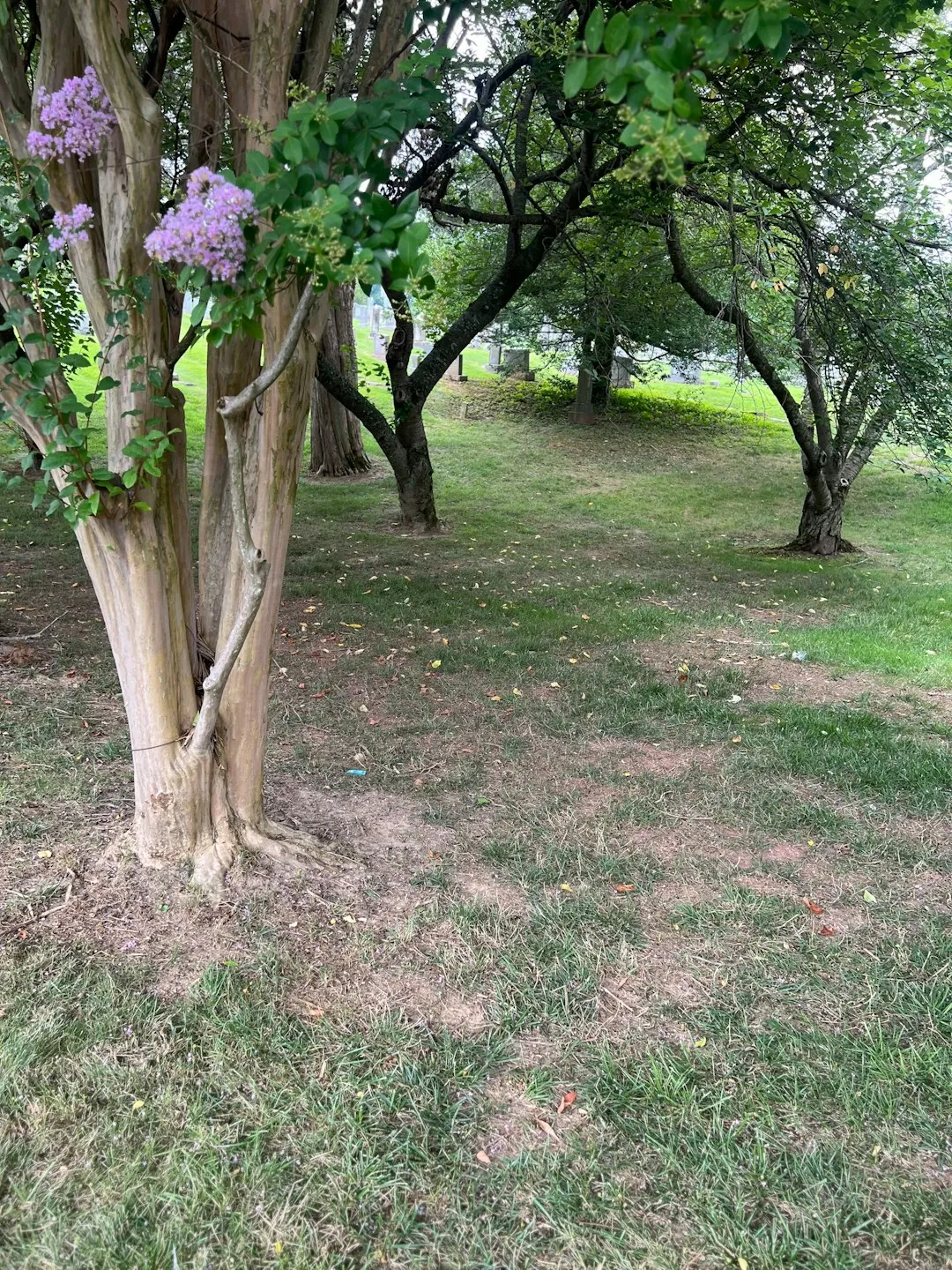
Unveiling the Secrets of New Guinea Impatiens in Shady Gardens
Unveiling the Secrets of New Guinea Impatiens in Shady Gardens
The Secret Rules of Dividing Perennial Plants in Your Garden
The Secret Rules of Dividing Perennial Plants in Your Garden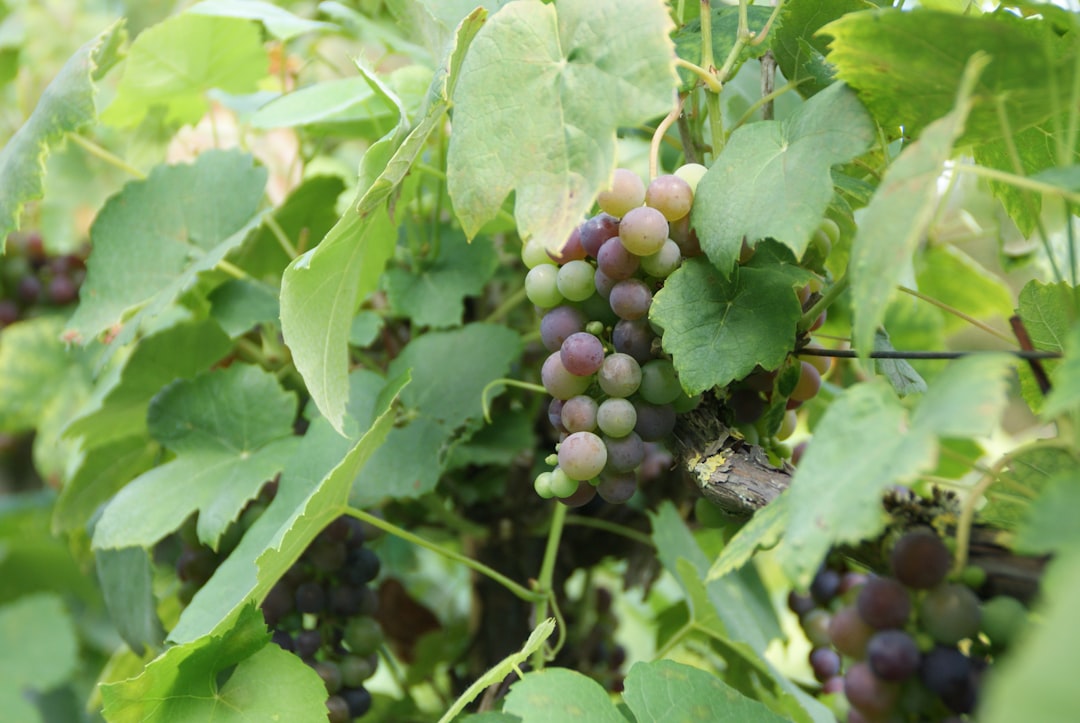
The Art of Lily Bulb Planting: Timing and Tips
The Art of Lily Bulb Planting: Timing and Tips
The Allure of Joseph's Coat Plants in Gardening and Indoors
The Allure of Joseph's Coat Plants in Gardening and Indoors
The Secret to a Year - Round Colorful Garden
The Secret to a Year - Round Colorful Garden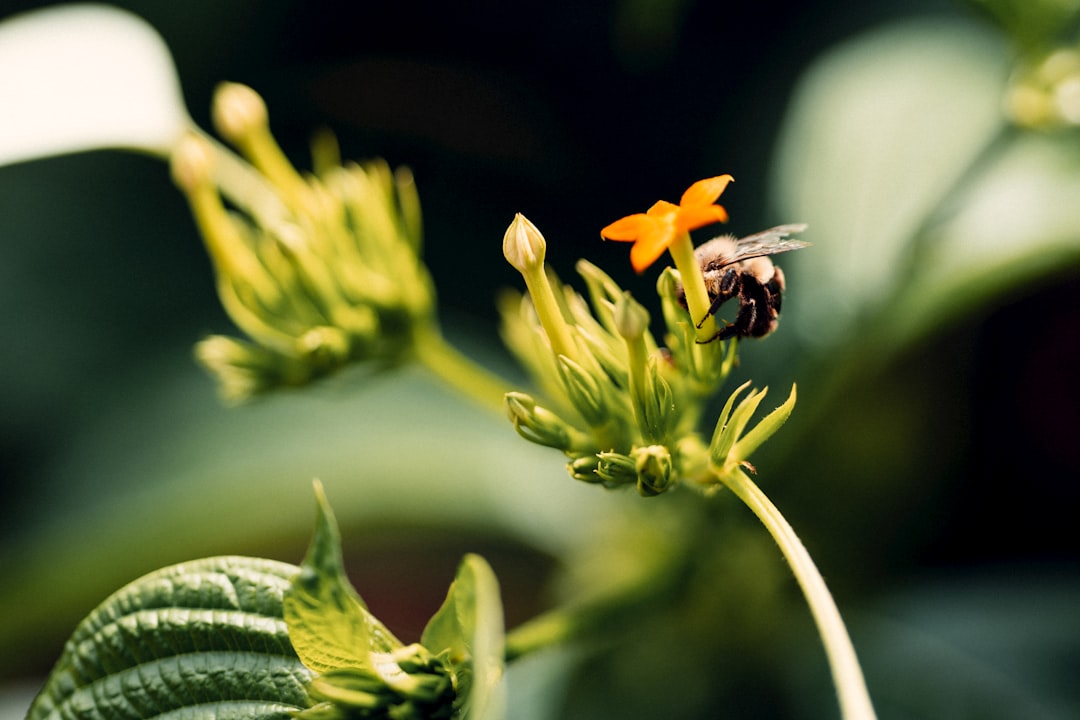
The Secret Weapon for Your Garden: Perennial Peanuts
The Secret Weapon for Your Garden: Perennial Peanuts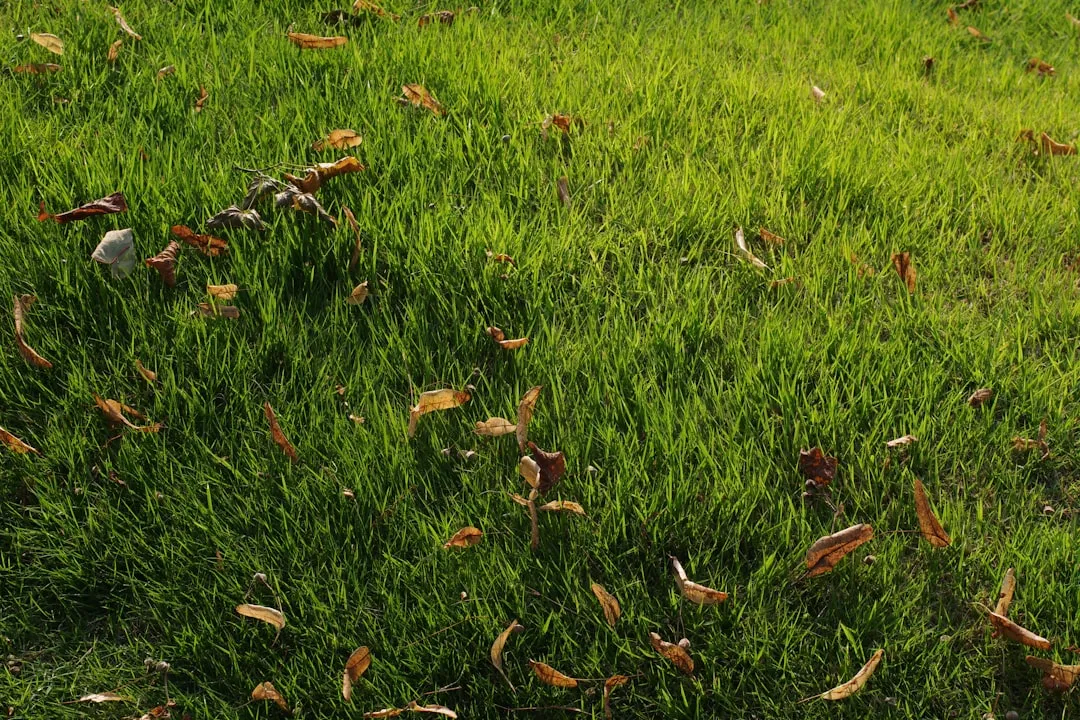
The Secret to a Lush Fall Lawn: Timing Your Watering Right
The Secret to a Lush Fall Lawn: Timing Your Watering Right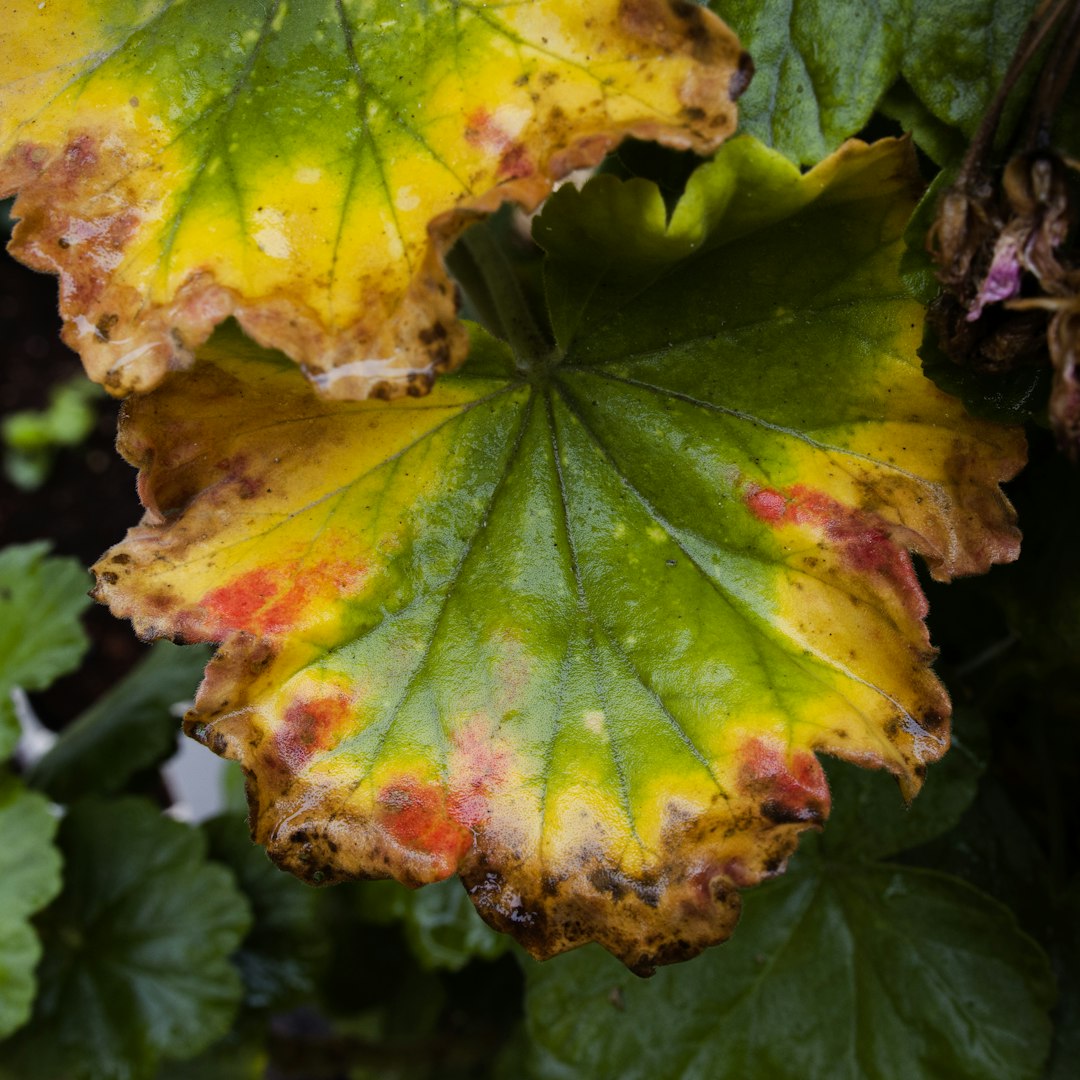
Secrets to a Thriving Raised - Bed Garden
Secrets to a Thriving Raised - Bed Garden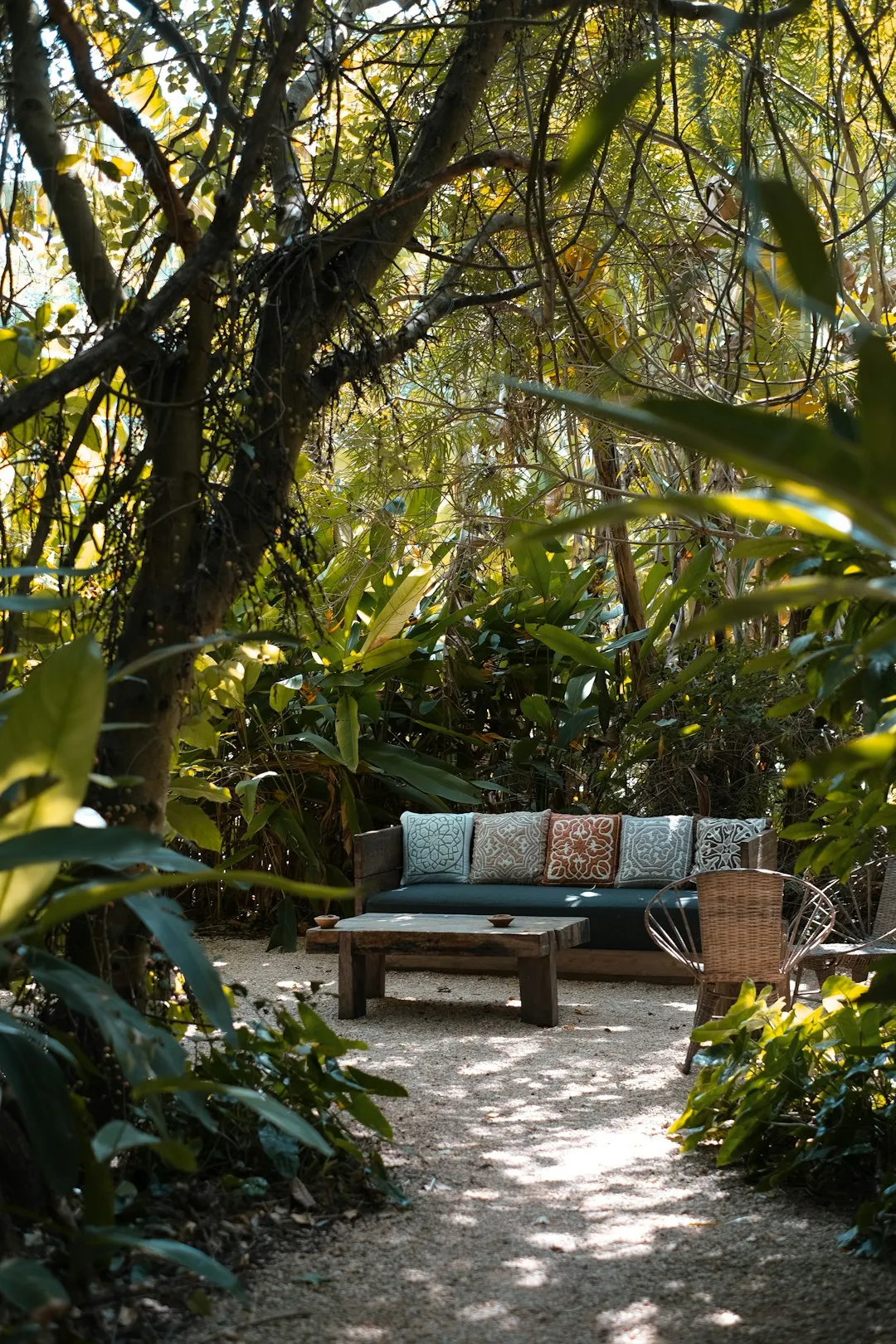
Unveiling the Truths in Your Garden
Unveiling the Truths in Your Garden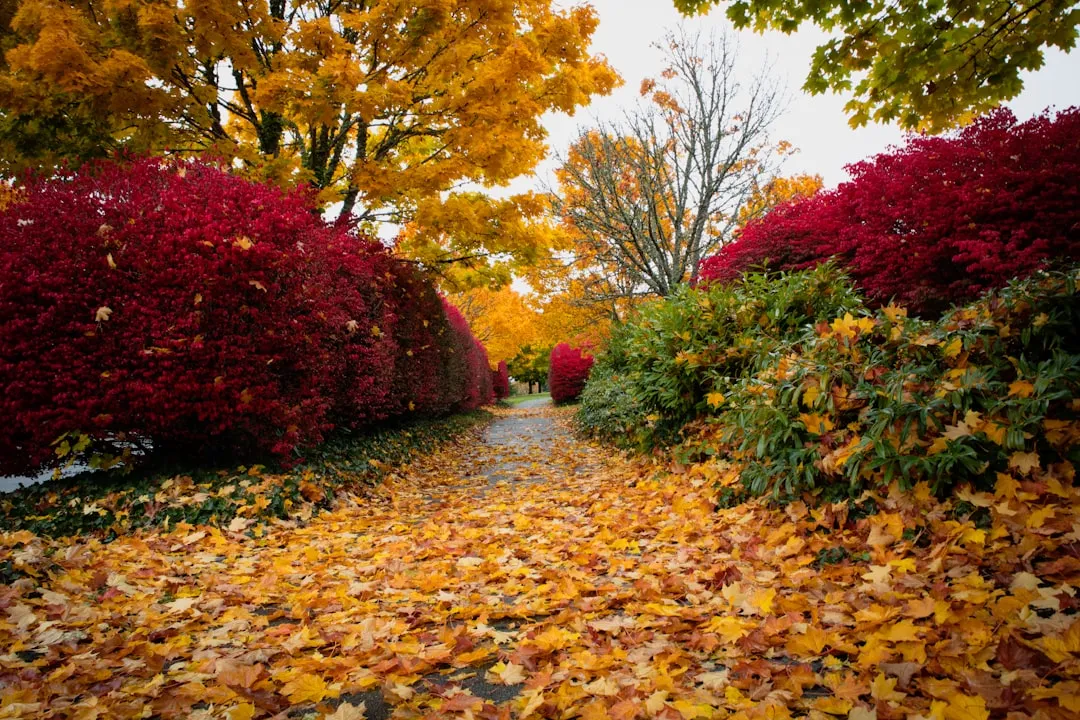
Navigating the Autumn Foliage Cleanup Dilemma in Your Neighborhood
Navigating the Autumn Foliage Cleanup Dilemma in Your Neighborhood
The Secret to Keeping Dahlias Upright in Your Yard
The Secret to Keeping Dahlias Upright in Your Yard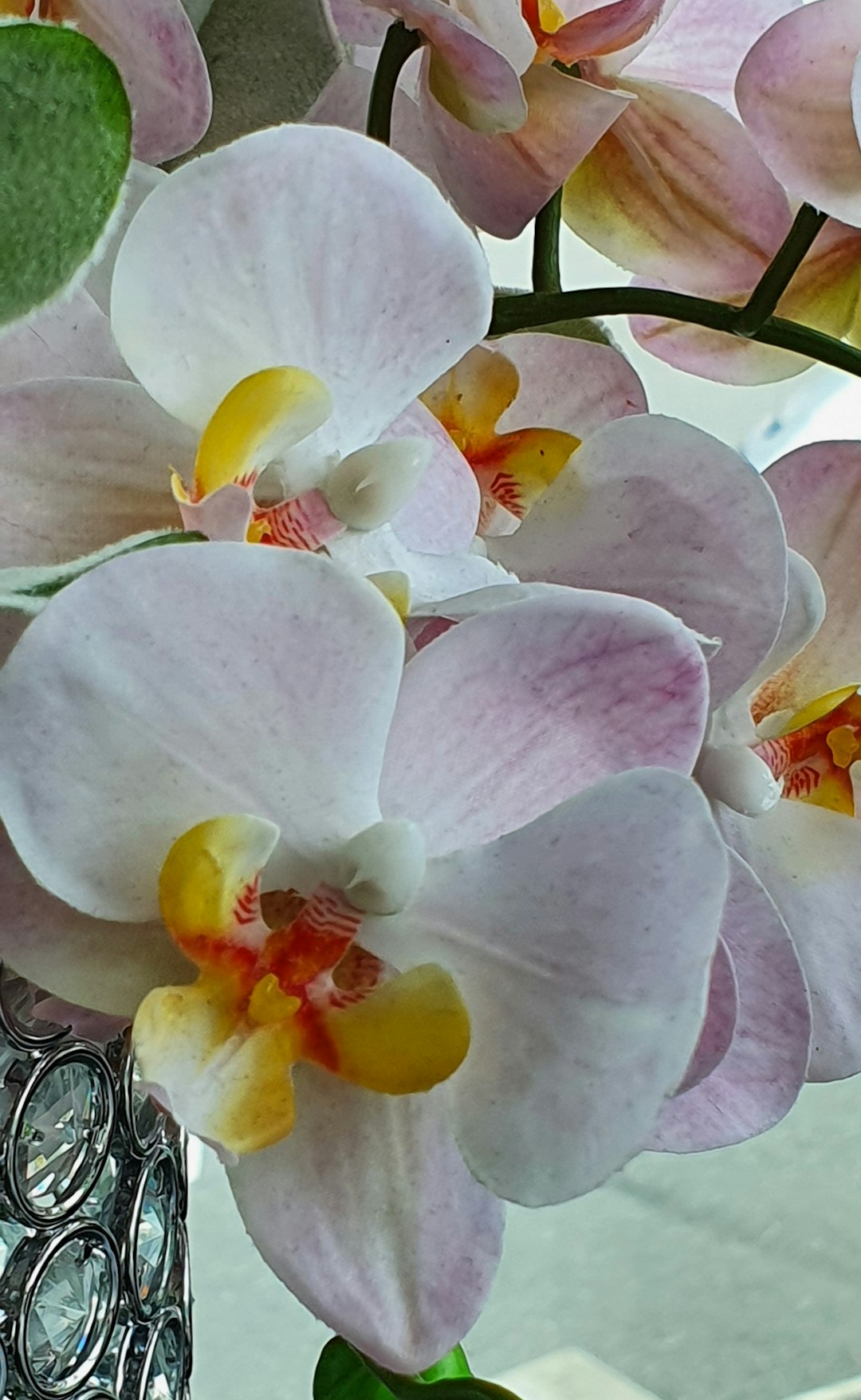
The Secret to a Thriving Yard: Sustainable Gardening
The Secret to a Thriving Yard: Sustainable Gardening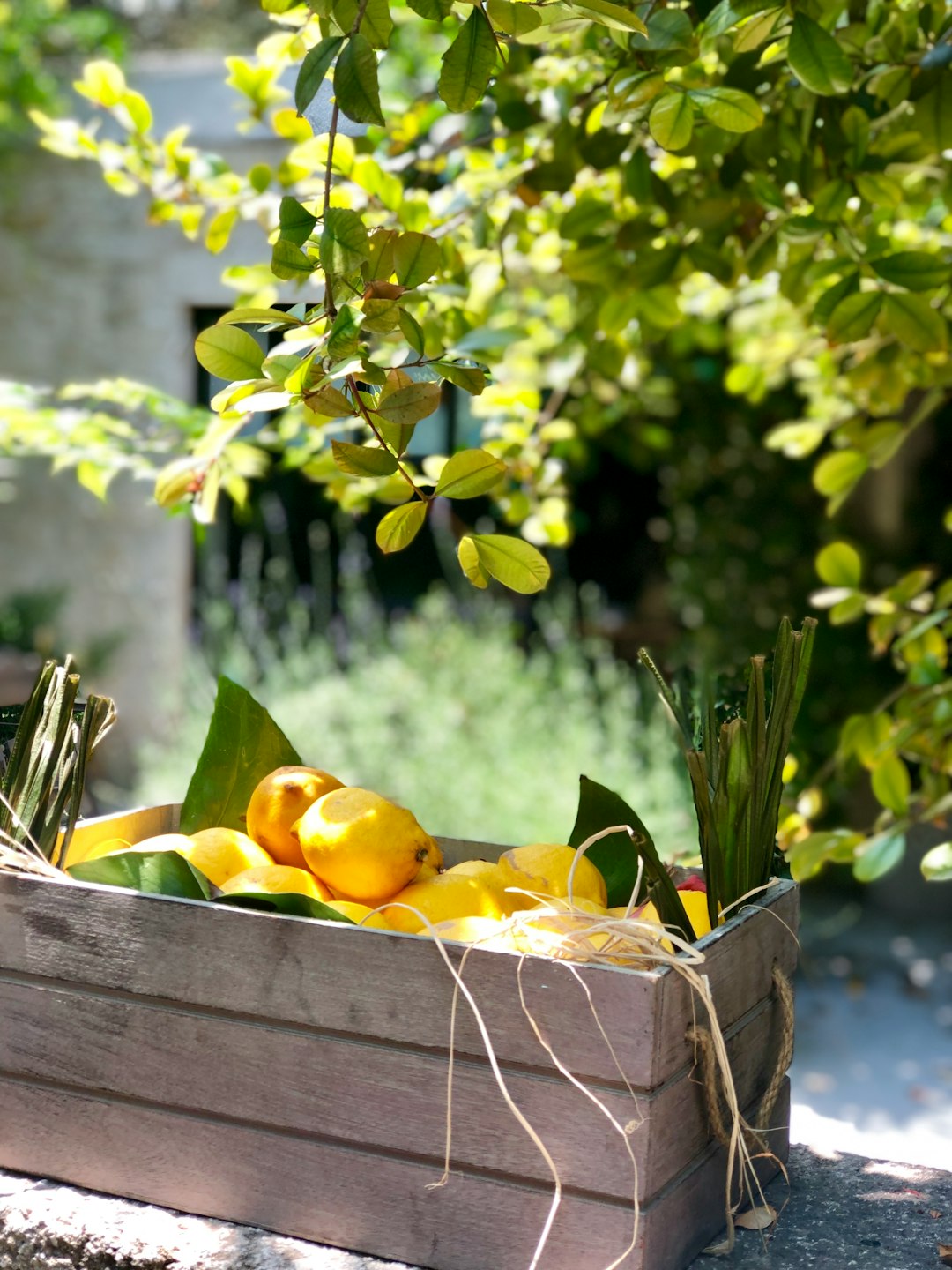
The Truth About Using Coffee Grounds to Change Hydrangea Colors
The Truth About Using Coffee Grounds to Change Hydrangea Colors

