
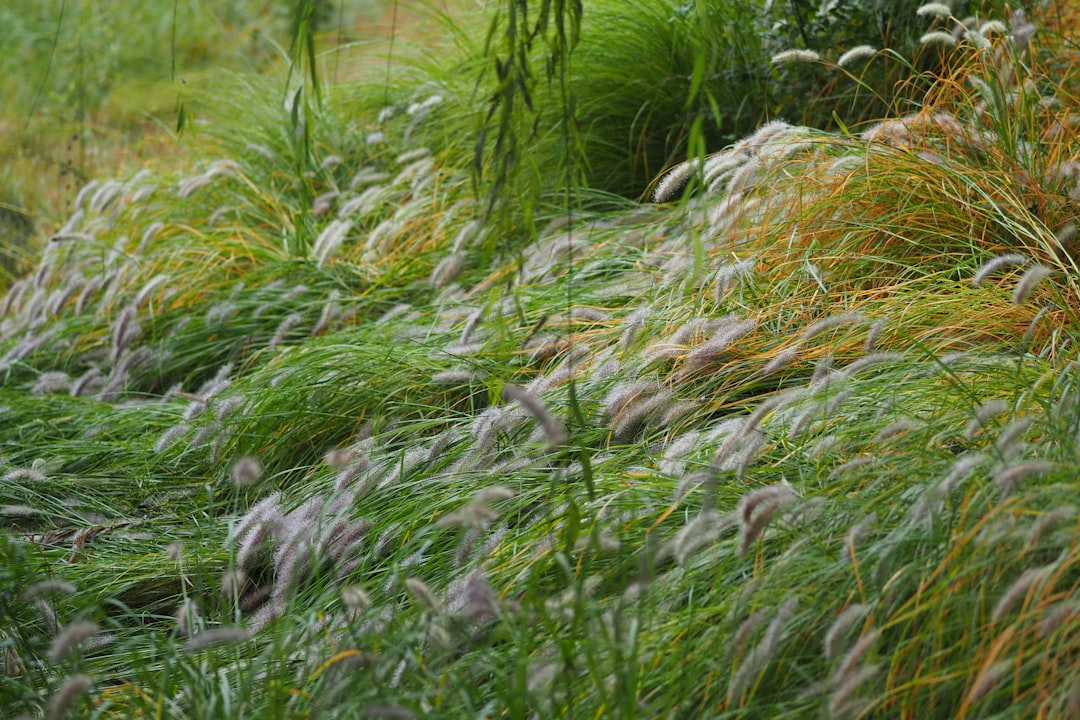
Feather reed grass, a captivating ornamental grass, has become a staple in many gardens around the world. With its tall stalks and feathery plumes, it adds a touch of elegance and movement to any landscape. In this article, we will delve into the art of planting, growing, and caring for this beautiful perennial.
### Introduction to Feather Reed Grass
Feather reed grass, scientifically known as Calamagrostis x acutiflora, is a hybrid grass that combines the best traits of its parent species. It is native to Europe and Asia and has been cultivated for its ornamental value for centuries. This grass typically grows to a height of 3 to 6 feet, with slender, upright stalks that are topped with feathery plumes in the summer. The plumes start off greenish-purple and gradually turn golden brown as they mature, providing a stunning display of color throughout the growing season.
### Why Choose Feather Reed Grass?
There are several reasons why feather reed grass is a popular choice for gardeners. Firstly, it is a low-maintenance plant that requires minimal care once established. It is drought-tolerant, disease-resistant, and deer-resistant, making it an ideal choice for gardens in a variety of climates. Secondly, it is a versatile plant that can be used in a variety of garden settings. It can be planted in mass plantings for a dramatic effect, used as a border plant to define garden beds, or incorporated into mixed perennial borders for added texture and interest. Finally, feather reed grass provides year-round interest in the garden. In the winter, the dried plumes add a touch of beauty to the otherwise barren landscape, and the grass can be left standing to provide shelter for birds and other wildlife.
### Planting Feather Reed Grass
When it comes to planting feather reed grass, timing is crucial. The best time to plant this grass is in the spring or fall, when the soil is moist and the temperatures are mild. Choose a location that receives full sun to partial shade and has well-drained soil. Feather reed grass can tolerate a wide range of soil types, but it prefers soil that is rich in organic matter. Before planting, prepare the soil by loosening it to a depth of 12 to 15 inches and adding a layer of compost or well-rotted manure. Dig a hole that is slightly larger than the root ball of the plant and place the plant in the hole, making sure that the top of the root ball is level with the soil surface. Backfill the hole with soil and gently firm it around the plant. Water the plant thoroughly to help settle the soil.
### Growing Feather Reed Grass
Once planted, feather reed grass requires minimal care to thrive. Water the plant regularly during the first growing season to help establish a strong root system. After that, the grass is relatively drought-tolerant and only needs to be watered during periods of extended dryness. Fertilize the plant in the spring with a balanced, slow-release fertilizer to promote healthy growth. Feather reed grass does not require pruning, but you can cut back the grass in the late winter or early spring to remove any dead or damaged foliage and to encourage new growth.
### Caring for Feather Reed Grass
In addition to regular watering and fertilizing, there are a few other things you can do to care for feather reed grass. One of the most important things is to divide the plant every 3 to 4 years to prevent overcrowding and to maintain its vigor. To divide the plant, dig up the clump in the spring or fall and use a sharp knife or garden fork to separate the clump into smaller sections. Replant the sections in a new location or share them with friends and neighbors. Another important aspect of caring for feather reed grass is to watch for pests and diseases. While this grass is relatively pest and disease-resistant, it can be susceptible to rust, a fungal disease that causes orange or brown spots on the leaves. If you notice any signs of rust, remove the affected leaves and treat the plant with a fungicide according to the manufacturer's instructions.
### Companion Plants for Feather Reed Grass
Feather reed grass pairs well with a variety of other plants in the garden. Some good companion plants include coneflowers, black-eyed Susans, daylilies, and ornamental grasses. These plants have similar growing requirements and complement the texture and color of feather reed grass. You can also plant feather reed grass in containers and use it as a focal point on your patio or deck. Combine it with other annuals or perennials for a beautiful and colorful display.
### Conclusion
Feather reed grass is a beautiful and versatile ornamental grass that can add a touch of elegance and movement to any garden. With its tall stalks, feathery plumes, and low-maintenance nature, it is a popular choice for gardeners of all skill levels. By following the tips and techniques outlined in this article, you can successfully plant, grow, and care for feather reed grass in your own garden and enjoy its beauty for years to come.

Guardians of the Strawberry Patch: Top 10 Companion Plants
Guardians of the Strawberry Patch: Top 10 Companion Plants
The Art of Harvesting Jalapeños: A Guide to Perfect Heat
The Art of Harvesting Jalapeños: A Guide to Perfect Heat
The Wonders of Home - Grown Wheatgrass
The Wonders of Home - Grown Wheatgrass
The Art of Garlic Harvesting and Storage
The Art of Garlic Harvesting and Storage
Unleashing the Potential of Small Spaces in Vegetable Gardening
Unleashing the Potential of Small Spaces in Vegetable Gardening
The Secret to Bountiful Pepper Yields: Space Management
The Secret to Bountiful Pepper Yields: Space Management
Unveiling the Secrets of Lavender Harvesting
Unveiling the Secrets of Lavender Harvesting
Unveiling the Secrets of New Guinea Impatiens in Shady Gardens
Unveiling the Secrets of New Guinea Impatiens in Shady Gardens
The Secret Rules of Dividing Perennial Plants in Your Garden
The Secret Rules of Dividing Perennial Plants in Your Garden
The Art of Lily Bulb Planting: Timing and Tips
The Art of Lily Bulb Planting: Timing and Tips
The Allure of Joseph's Coat Plants in Gardening and Indoors
The Allure of Joseph's Coat Plants in Gardening and Indoors
The Secret to a Year - Round Colorful Garden
The Secret to a Year - Round Colorful Garden
The Secret Weapon for Your Garden: Perennial Peanuts
The Secret Weapon for Your Garden: Perennial Peanuts
The Secret to a Lush Fall Lawn: Timing Your Watering Right
The Secret to a Lush Fall Lawn: Timing Your Watering Right
Secrets to a Thriving Raised - Bed Garden
Secrets to a Thriving Raised - Bed Garden
Unveiling the Truths in Your Garden
Unveiling the Truths in Your Garden
Navigating the Autumn Foliage Cleanup Dilemma in Your Neighborhood
Navigating the Autumn Foliage Cleanup Dilemma in Your Neighborhood
The Secret to Keeping Dahlias Upright in Your Yard
The Secret to Keeping Dahlias Upright in Your Yard
The Secret to a Thriving Yard: Sustainable Gardening
The Secret to a Thriving Yard: Sustainable Gardening
The Truth About Using Coffee Grounds to Change Hydrangea Colors
The Truth About Using Coffee Grounds to Change Hydrangea Colors

