
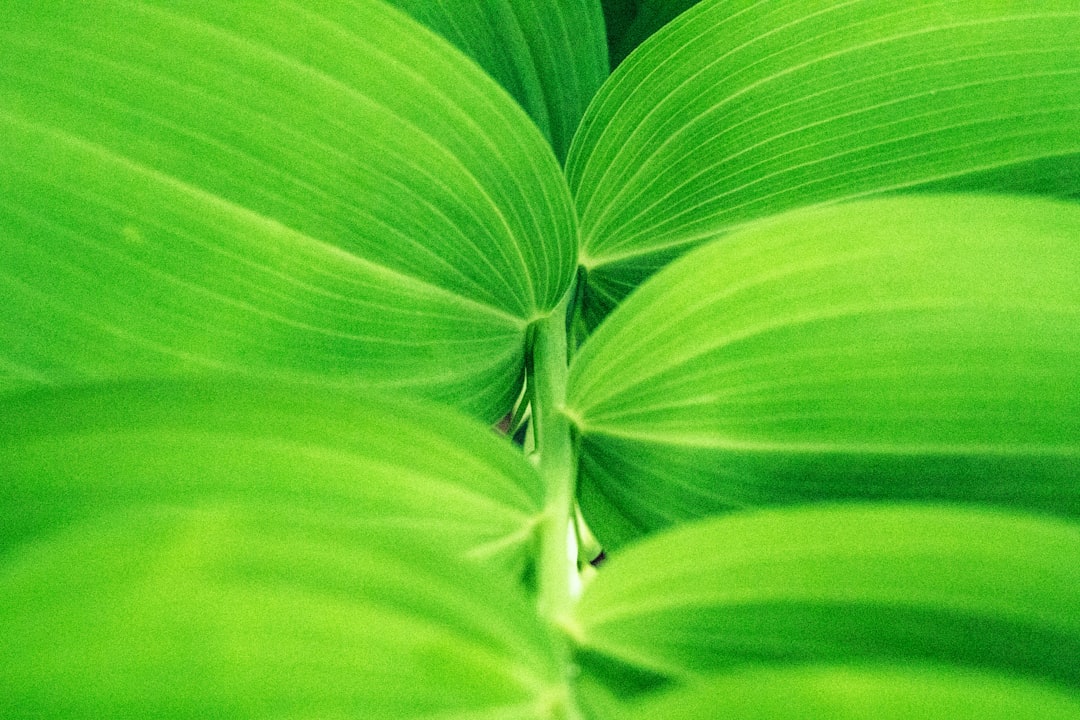
When it comes to creating a naturalized landscape that bursts with color and charm throughout the summer, few plants can rival the long - blooming knautia. This remarkable perennial is a hidden gem in the world of gardening, offering whimsical pincushion - like blooms that are sure to captivate any onlooker.
Knautia, also known as field scabious, belongs to the Dipsacaceae family. It has a rich history, with some species having been used in traditional medicine in the past. But today, its allure lies primarily in its ornamental value. The plant typically grows to a height of about 2 to 3 feet, making it a great addition to the middle or front of a flower bed. Its slender stems are topped with unique flower heads that resemble pincushions, with numerous tiny florets protruding from a central disk.
One of the most appealing aspects of knautia is its long blooming period. From early summer well into the fall, these plants will continuously produce an abundance of flowers. This extended display of color is a boon for gardeners who want to maintain a vibrant and lively garden throughout the warmer months. The flowers come in a variety of colors, including shades of pink, purple, and white. The soft pastel hues add a touch of elegance and tranquility to any landscape.
Another advantage of incorporating knautia into your naturalized landscape is its adaptability. Knautia is a hardy plant that can tolerate a wide range of soil conditions. It prefers well - drained soil but can also thrive in slightly sandy or loamy soils. It is also relatively drought - tolerant once established, making it a low - maintenance option for gardeners. Whether you have a large garden or a small urban plot, knautia can find a place and thrive.
In terms of sunlight requirements, knautia does best in full sun to partial shade. In full sun, the plant will produce more flowers and have a more compact growth habit. However, in areas with extremely hot summers, a bit of afternoon shade can help protect the plant from excessive heat stress. When planting knautia, make sure to space the plants about 12 to 18 inches apart to allow for proper air circulation and growth.
Knautia is not only beautiful but also beneficial for wildlife. The nectar - rich flowers are a magnet for pollinators such as bees, butterflies, and hummingbirds. By planting knautia in your garden, you are creating a haven for these important creatures. The presence of pollinators not only adds to the ecological balance of your garden but also helps in the pollination of other plants, leading to a more productive and diverse garden ecosystem.
When it comes to care, knautia is relatively easy to manage. Deadheading, or removing the spent flowers, will encourage the plant to produce more blooms. You can simply pinch off the faded flower heads with your fingers or use a pair of pruning shears. In the fall, after the first frost, you can cut the plant back to the ground. This will help the plant conserve energy and prepare for the next growing season.
Propagation of knautia can be done through seeds or division. Seeds can be sown directly in the garden in the spring or started indoors a few weeks before the last frost date. If you choose to divide the plant, do it in the spring or fall. Dig up the plant carefully, separate the clumps into smaller sections, and replant them in the desired location.
In conclusion, adding long - blooming knautia to your naturalized landscape is a decision that you won't regret. Its unique pincushion - like blooms, long flowering period, adaptability, and wildlife - attracting qualities make it an ideal choice for any garden. Whether you are a seasoned gardener or just starting out, knautia will bring beauty and life to your outdoor space all summer long.
Guardians of the Strawberry Patch: Top 10 Companion Plants
Guardians of the Strawberry Patch: Top 10 Companion Plants
The Art of Harvesting Jalapeños: A Guide to Perfect Heat
The Art of Harvesting Jalapeños: A Guide to Perfect Heat
The Wonders of Home - Grown Wheatgrass
The Wonders of Home - Grown Wheatgrass
The Art of Garlic Harvesting and Storage
The Art of Garlic Harvesting and Storage
Unleashing the Potential of Small Spaces in Vegetable Gardening
Unleashing the Potential of Small Spaces in Vegetable Gardening
The Secret to Bountiful Pepper Yields: Space Management
The Secret to Bountiful Pepper Yields: Space Management
Unveiling the Secrets of Lavender Harvesting
Unveiling the Secrets of Lavender Harvesting
Unveiling the Secrets of New Guinea Impatiens in Shady Gardens
Unveiling the Secrets of New Guinea Impatiens in Shady Gardens
The Secret Rules of Dividing Perennial Plants in Your Garden
The Secret Rules of Dividing Perennial Plants in Your Garden
The Art of Lily Bulb Planting: Timing and Tips
The Art of Lily Bulb Planting: Timing and Tips
The Allure of Joseph's Coat Plants in Gardening and Indoors
The Allure of Joseph's Coat Plants in Gardening and Indoors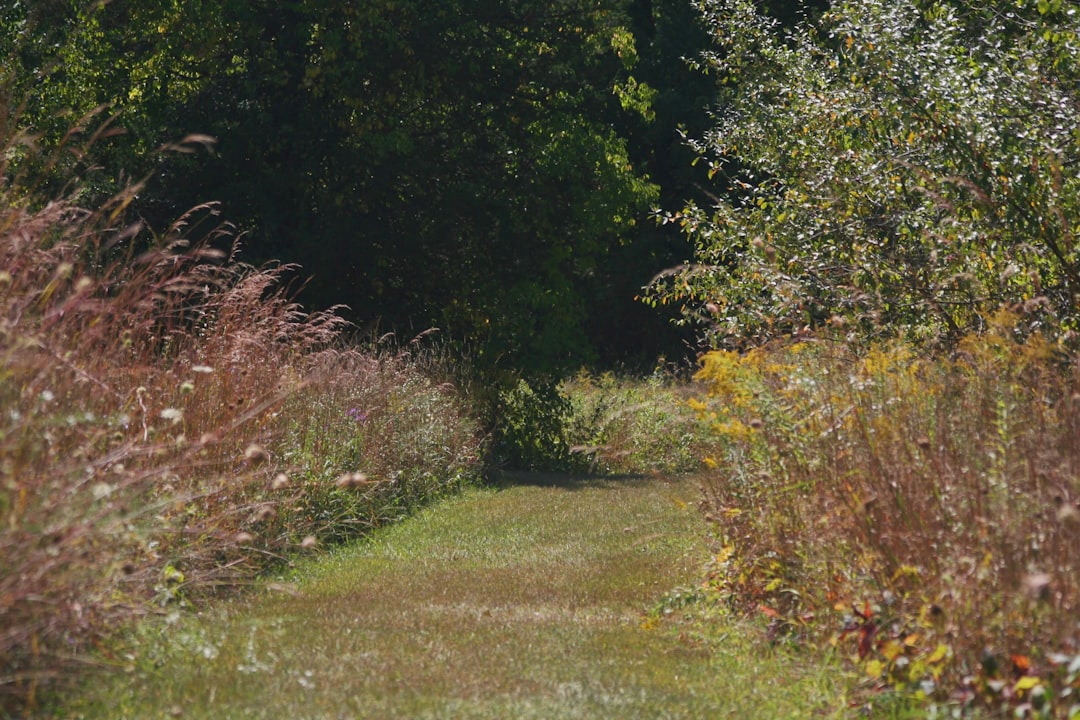
The Secret to a Year - Round Colorful Garden
The Secret to a Year - Round Colorful Garden
The Secret Weapon for Your Garden: Perennial Peanuts
The Secret Weapon for Your Garden: Perennial Peanuts
The Secret to a Lush Fall Lawn: Timing Your Watering Right
The Secret to a Lush Fall Lawn: Timing Your Watering Right
Secrets to a Thriving Raised - Bed Garden
Secrets to a Thriving Raised - Bed Garden
Unveiling the Truths in Your Garden
Unveiling the Truths in Your Garden
Navigating the Autumn Foliage Cleanup Dilemma in Your Neighborhood
Navigating the Autumn Foliage Cleanup Dilemma in Your Neighborhood
The Secret to Keeping Dahlias Upright in Your Yard
The Secret to Keeping Dahlias Upright in Your Yard
The Secret to a Thriving Yard: Sustainable Gardening
The Secret to a Thriving Yard: Sustainable Gardening
The Truth About Using Coffee Grounds to Change Hydrangea Colors
The Truth About Using Coffee Grounds to Change Hydrangea Colors

