
When it comes to bulbs flowers gardening, lily bulbs are a popular choice for many gardeners. However, one of the most important aspects of successfully growing lilies is knowing when to plant them. The ideal planting time depends on the type of lily bulbs you have. Let's explore the best times to plant different types of lilies and some essential planting tips to ensure your bulbs get off to a strong start.
There are several common types of lilies, including Asiatic lilies, Oriental lilies, and Trumpet lilies. Each type has its own specific requirements for planting time.
Asiatic lilies are known for their early blooming and vibrant colors. They are relatively easy to grow and can tolerate a wide range of soil conditions. The best time to plant Asiatic lily bulbs is in the fall, preferably about 4 to 6 weeks before the first hard frost. Planting them in the fall allows the bulbs to establish roots before the ground freezes. This gives them a head - start in the spring, and they will bloom earlier in the season. When planting Asiatic lily bulbs, choose a location that receives full sun to partial shade. The soil should be well - drained, as lilies do not like to sit in waterlogged soil. Dig a hole that is about 6 to 8 inches deep and place the bulb with the pointed end facing up. Cover the bulb with soil and gently firm it around the bulb. Water the area thoroughly after planting.
Oriental lilies are famous for their large, fragrant flowers. These lilies are a bit more finicky than Asiatic lilies. Similar to Asiatic lilies, Oriental lily bulbs are best planted in the fall. However, they require a bit more care. They prefer a location with full sun in the morning and some afternoon shade, as too much intense sunlight can damage their delicate flowers. The soil for Oriental lilies should be rich, well - drained, and slightly acidic. When planting, dig a hole about 8 to 10 inches deep. Place the bulb in the hole, making sure the roots are spread out. Cover the bulb with soil and water it well. Adding a layer of mulch around the planted bulbs can help retain moisture and keep the soil cool.
Trumpet lilies are tall and produce large, trumpet - shaped flowers. They are also planted in the fall. Trumpet lilies need a sunny location with well - drained soil. They can tolerate a bit more moisture than some other lily types, but still, the soil should not be waterlogged. Plant the bulbs about 10 to 12 inches deep. This deeper planting helps support the tall stems of the trumpet lilies. After planting, water the area to settle the soil around the bulbs.
Regardless of the type of lily bulbs you are planting, there are some general tips that can help ensure success. First, always choose high - quality bulbs. Look for bulbs that are firm, plump, and free of mold or damage. Before planting, you can soak the bulbs in water for a few hours to rehydrate them. This can give them a better start. When planting multiple bulbs, space them about 8 to 12 inches apart to allow for proper growth and air circulation. After the lilies have finished blooming, do not cut back the foliage immediately. The leaves are important for photosynthesis, which helps the bulbs store energy for the next year. Let the foliage die back naturally.
In conclusion, understanding the best time to plant lily bulbs based on their type is crucial for a successful lily garden. By following these planting tips, you can enjoy beautiful, healthy lilies year after year. Whether you are a novice gardener or an experienced one, growing lilies from bulbs can be a rewarding experience. So, get out there, plant your lily bulbs at the right time, and watch your garden come alive with the beauty of these stunning flowers.
Guardians of the Strawberry Patch: Top 10 Companion Plants
Guardians of the Strawberry Patch: Top 10 Companion Plants
The Art of Harvesting Jalapeños: A Guide to Perfect Heat
The Art of Harvesting Jalapeños: A Guide to Perfect Heat
The Wonders of Home - Grown Wheatgrass
The Wonders of Home - Grown Wheatgrass
The Art of Garlic Harvesting and Storage
The Art of Garlic Harvesting and Storage
Unleashing the Potential of Small Spaces in Vegetable Gardening
Unleashing the Potential of Small Spaces in Vegetable Gardening
The Secret to Bountiful Pepper Yields: Space Management
The Secret to Bountiful Pepper Yields: Space Management
Unveiling the Secrets of Lavender Harvesting
Unveiling the Secrets of Lavender Harvesting
Unveiling the Secrets of New Guinea Impatiens in Shady Gardens
Unveiling the Secrets of New Guinea Impatiens in Shady Gardens
The Secret Rules of Dividing Perennial Plants in Your Garden
The Secret Rules of Dividing Perennial Plants in Your Garden
The Art of Lily Bulb Planting: Timing and Tips
The Art of Lily Bulb Planting: Timing and Tips
The Allure of Joseph's Coat Plants in Gardening and Indoors
The Allure of Joseph's Coat Plants in Gardening and Indoors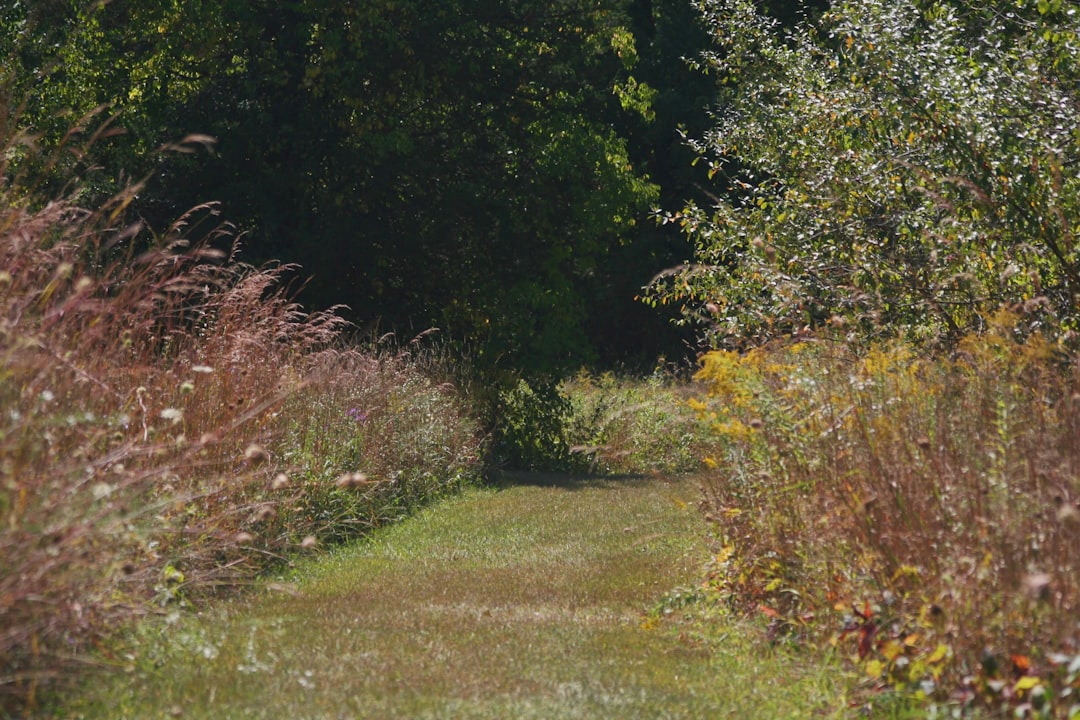
The Secret to a Year - Round Colorful Garden
The Secret to a Year - Round Colorful Garden
The Secret Weapon for Your Garden: Perennial Peanuts
The Secret Weapon for Your Garden: Perennial Peanuts
The Secret to a Lush Fall Lawn: Timing Your Watering Right
The Secret to a Lush Fall Lawn: Timing Your Watering Right
Secrets to a Thriving Raised - Bed Garden
Secrets to a Thriving Raised - Bed Garden
Unveiling the Truths in Your Garden
Unveiling the Truths in Your Garden
Navigating the Autumn Foliage Cleanup Dilemma in Your Neighborhood
Navigating the Autumn Foliage Cleanup Dilemma in Your Neighborhood
The Secret to Keeping Dahlias Upright in Your Yard
The Secret to Keeping Dahlias Upright in Your Yard
The Secret to a Thriving Yard: Sustainable Gardening
The Secret to a Thriving Yard: Sustainable Gardening
The Truth About Using Coffee Grounds to Change Hydrangea Colors
The Truth About Using Coffee Grounds to Change Hydrangea Colors

