
Rosemary, an aromatic and versatile herb, is a staple in many edible gardens. Its needle - like leaves and delightful fragrance make it not only a culinary delight but also an aesthetically pleasing addition to any garden space. However, to ensure that your rosemary plant remains productive and looks its best, proper pruning is essential. In this article, we will explore the art of pruning both young and old rosemary plants.
Pruning rosemary serves multiple purposes. Firstly, it helps to maintain the shape of the plant. A well - pruned rosemary plant is more compact and visually appealing, fitting neatly into your garden layout. Secondly, pruning encourages new growth. By removing old and unproductive branches, the plant can focus its energy on developing fresh, healthy shoots. This new growth is often more flavorful and productive for culinary use.
Another significant benefit is improved air circulation. Dense, unpruned rosemary can become a breeding ground for pests and diseases. Pruning opens up the plant, allowing air to flow freely through the branches, reducing the risk of fungal infections and other issues. Additionally, regular pruning can extend the lifespan of the rosemary plant, keeping it vigorous for many years.
When your rosemary plant is young, pruning is all about shaping and establishing a strong framework. The ideal time to start pruning young rosemary is in the spring, just as new growth begins to emerge. This gives the plant plenty of time to recover and grow throughout the growing season.
Begin by using sharp, clean pruning shears. Dull or dirty tools can damage the plant and introduce diseases. Look for any branches that are growing in an irregular direction or crossing over other branches. These should be removed at the base. You can also pinch back the tips of the branches to encourage bushier growth. This is especially important in the first year or two of the plant's life.
As a general rule, avoid removing more than one - third of the plant at a time. Over - pruning a young rosemary can stunt its growth and cause unnecessary stress. Instead, make small, strategic cuts to gradually shape the plant. For example, if you want a more rounded shape, focus on pruning the outer branches to create a smooth curve.
Old rosemary plants may require more extensive pruning, but it should be done with care. The best time to prune an old rosemary is in the early spring or late winter, before new growth starts. This allows the plant to recover and produce new shoots during the growing season.
Start by removing any dead, damaged, or diseased branches. These can be easily identified as they will be dry, brittle, or discolored. Cut these branches back to the healthy part of the stem. Next, look for any branches that are very woody or have not produced new growth in a long time. These can be pruned back to encourage new growth from the base of the plant.
It's important to note that old rosemary plants may not respond as quickly to pruning as young ones. You may need to be patient and give the plant time to recover. If the plant is extremely woody and overgrown, you can perform a more severe pruning, but this should be done gradually over a few years. For instance, you can remove a large portion of the woody branches in one year and then fine - tune the shape in subsequent years.
Once you have finished pruning your rosemary plant, it's important to provide proper after - care. Water the plant thoroughly to help it recover from the stress of pruning. However, be careful not to over - water, as rosemary prefers well - drained soil. You can also apply a light layer of organic mulch around the base of the plant to help retain moisture and suppress weeds.
Keep an eye on the plant for any signs of stress or disease. If you notice any yellowing leaves or unusual growth, take appropriate action. This may involve adjusting the watering schedule, applying a natural pest control, or consulting a gardening expert.
In conclusion, pruning rosemary is a crucial part of maintaining a healthy and productive plant. Whether your rosemary is young or old, following the right pruning techniques will ensure that it thrives in your edible garden. With a little patience and care, you can enjoy the beauty and flavor of rosemary for years to come.
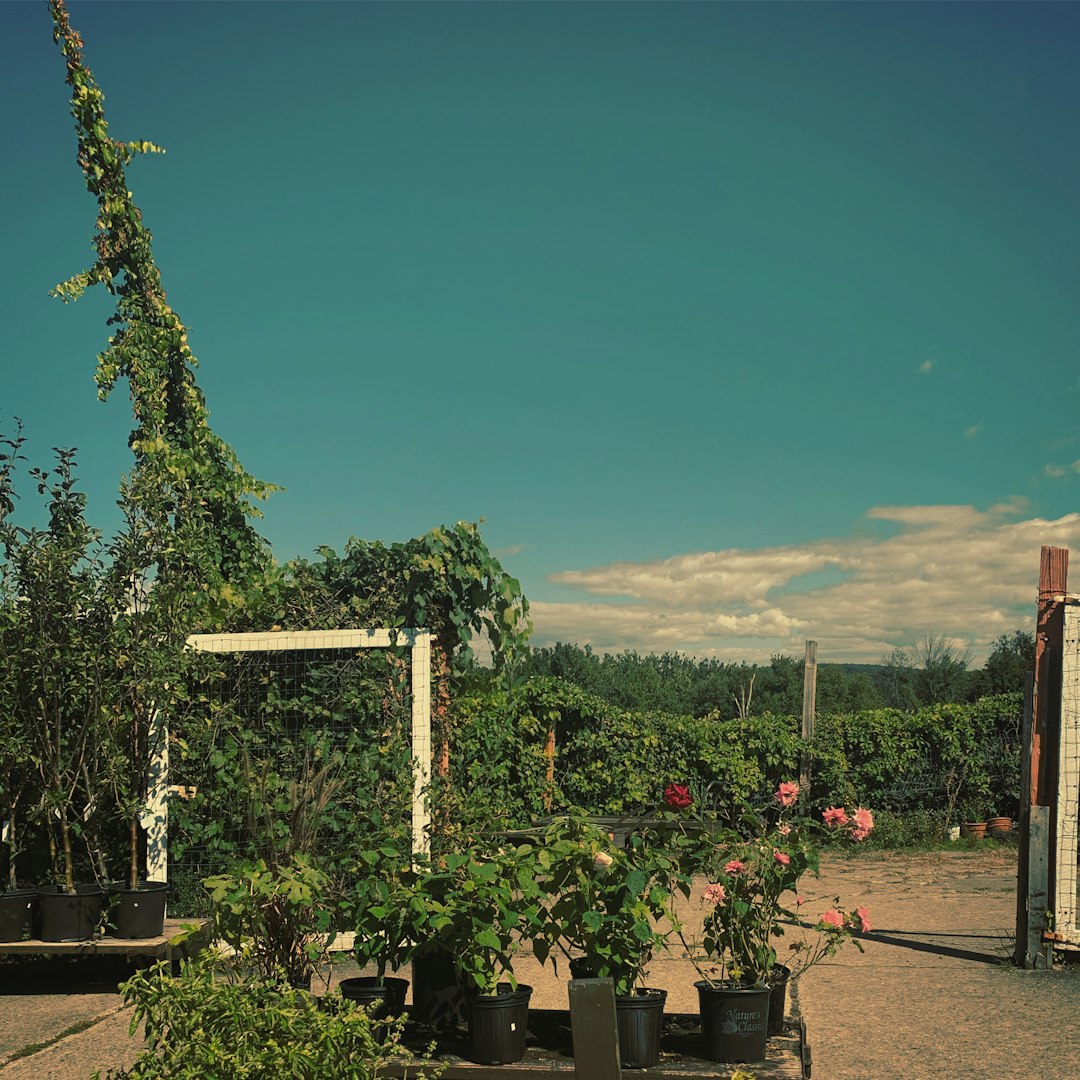
Guardians of the Strawberry Patch: Top 10 Companion Plants
Guardians of the Strawberry Patch: Top 10 Companion Plants
The Art of Harvesting Jalapeños: A Guide to Perfect Heat
The Art of Harvesting Jalapeños: A Guide to Perfect Heat
The Wonders of Home - Grown Wheatgrass
The Wonders of Home - Grown Wheatgrass
The Art of Garlic Harvesting and Storage
The Art of Garlic Harvesting and Storage
Unleashing the Potential of Small Spaces in Vegetable Gardening
Unleashing the Potential of Small Spaces in Vegetable Gardening
The Secret to Bountiful Pepper Yields: Space Management
The Secret to Bountiful Pepper Yields: Space Management
Unveiling the Secrets of Lavender Harvesting
Unveiling the Secrets of Lavender Harvesting
Unveiling the Secrets of New Guinea Impatiens in Shady Gardens
Unveiling the Secrets of New Guinea Impatiens in Shady Gardens
The Secret Rules of Dividing Perennial Plants in Your Garden
The Secret Rules of Dividing Perennial Plants in Your Garden
The Art of Lily Bulb Planting: Timing and Tips
The Art of Lily Bulb Planting: Timing and Tips
The Allure of Joseph's Coat Plants in Gardening and Indoors
The Allure of Joseph's Coat Plants in Gardening and Indoors
The Secret to a Year - Round Colorful Garden
The Secret to a Year - Round Colorful Garden
The Secret Weapon for Your Garden: Perennial Peanuts
The Secret Weapon for Your Garden: Perennial Peanuts
The Secret to a Lush Fall Lawn: Timing Your Watering Right
The Secret to a Lush Fall Lawn: Timing Your Watering Right
Secrets to a Thriving Raised - Bed Garden
Secrets to a Thriving Raised - Bed Garden
Unveiling the Truths in Your Garden
Unveiling the Truths in Your Garden
Navigating the Autumn Foliage Cleanup Dilemma in Your Neighborhood
Navigating the Autumn Foliage Cleanup Dilemma in Your Neighborhood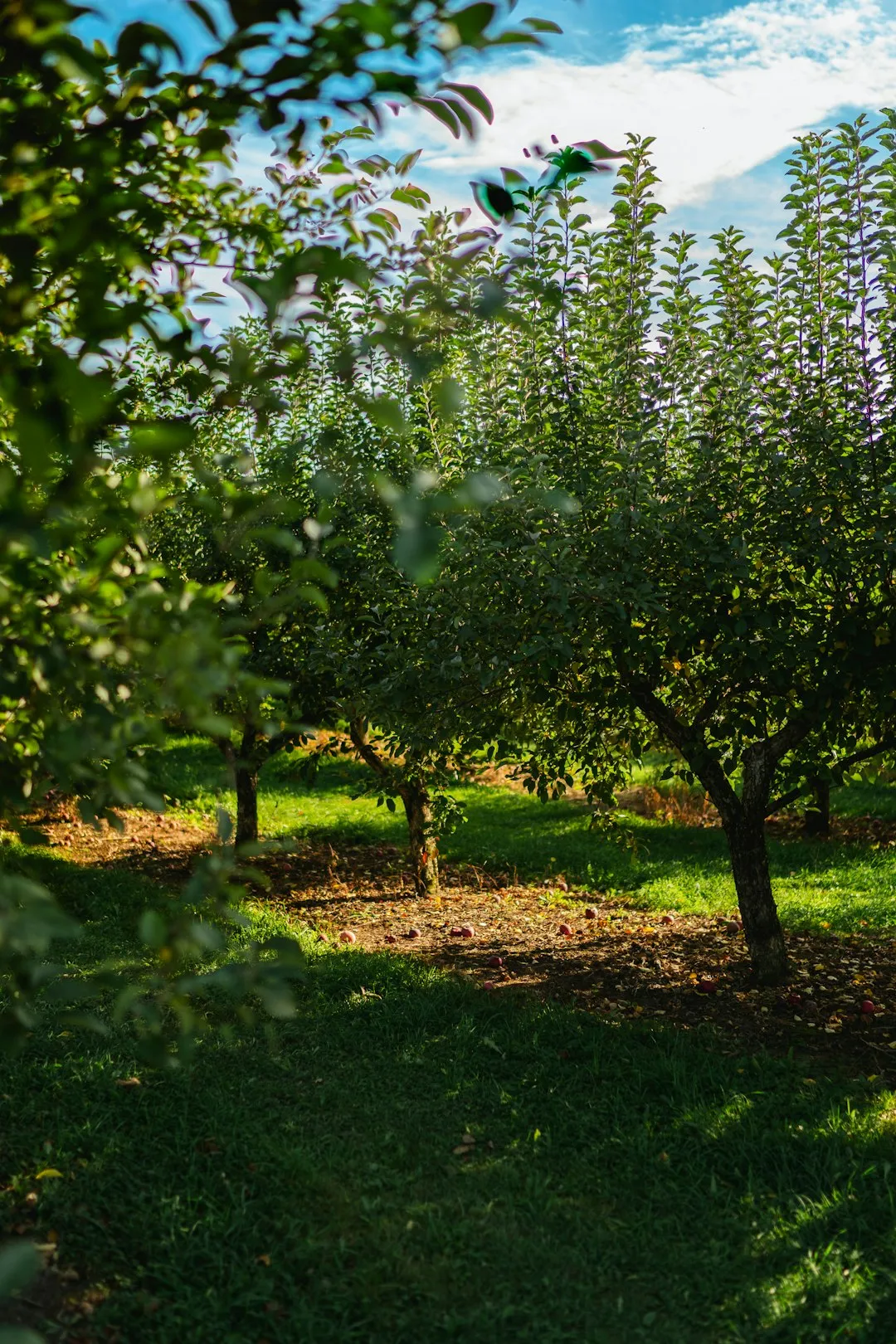
The Secret to Keeping Dahlias Upright in Your Yard
The Secret to Keeping Dahlias Upright in Your Yard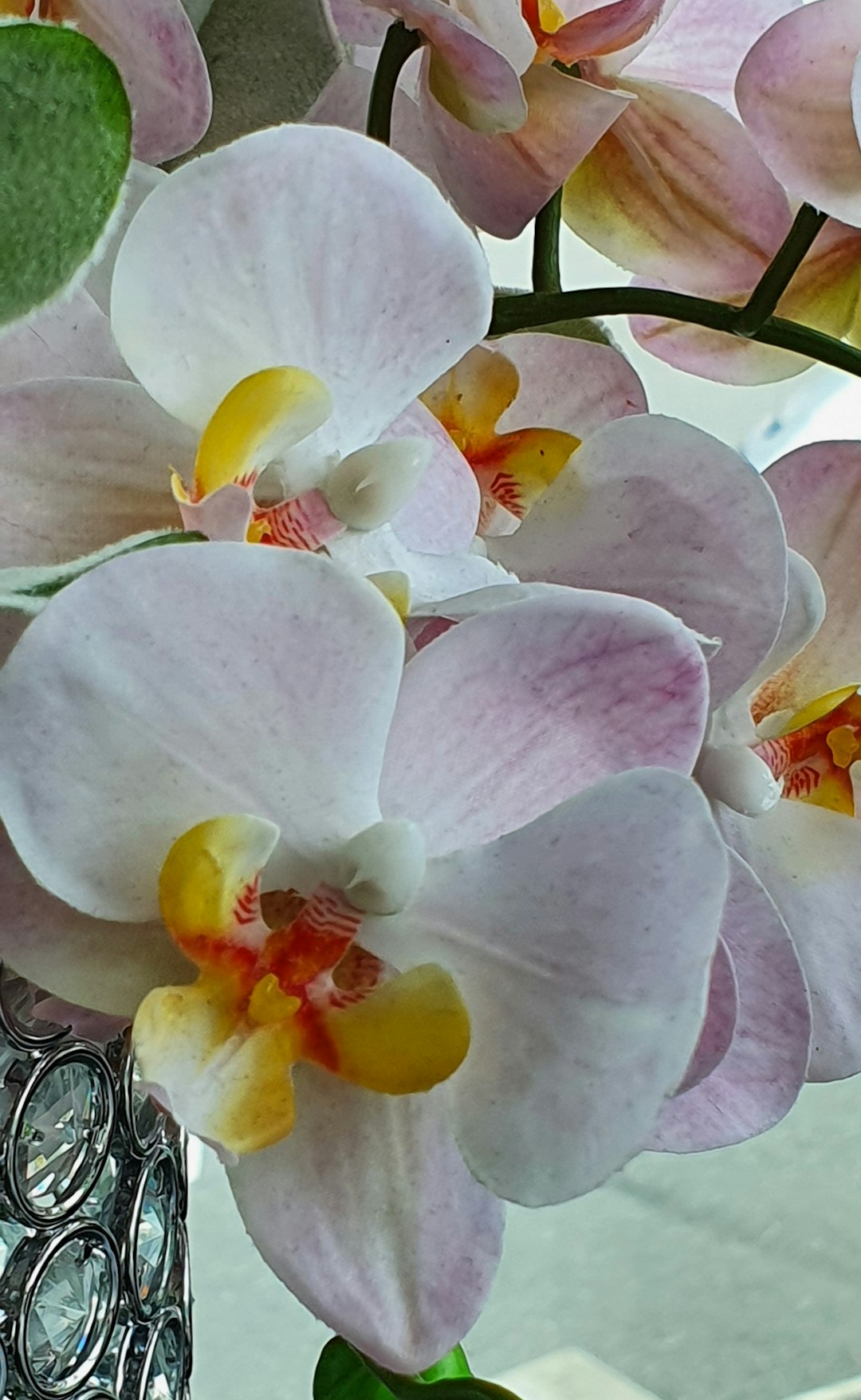
The Secret to a Thriving Yard: Sustainable Gardening
The Secret to a Thriving Yard: Sustainable Gardening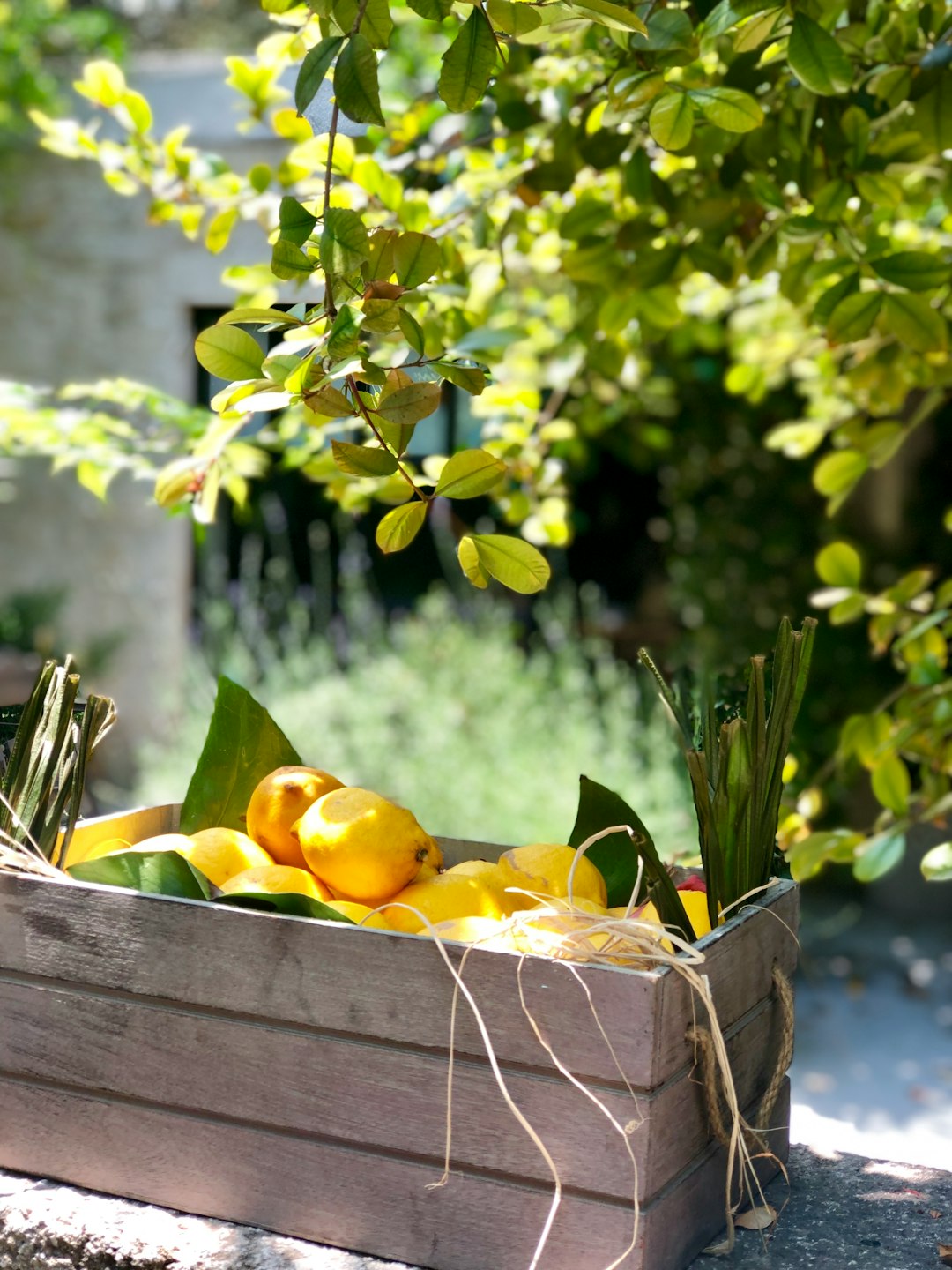
The Truth About Using Coffee Grounds to Change Hydrangea Colors
The Truth About Using Coffee Grounds to Change Hydrangea Colors

