Edible gardening is a rewarding endeavor that allows you to connect with nature and enjoy the fruits (or vegetables) of your labor. Among the many vegetables you can grow in your garden, onions stand out as a versatile and essential ingredient in countless dishes. In this guide, we'll explore everything you need to know about growing onions in your garden, from planting and care tips to dealing with pests and diseases, and finally, harvesting your bountiful crop.
Choosing the Right Onion Varieties
The first step in growing onions is selecting the right varieties for your garden. There are three main types of onions: short - day, intermediate - day, and long - day onions. Short - day onions are suitable for southern regions where the days are shorter during the growing season. They typically start forming bulbs when the day length reaches 10 - 12 hours. Intermediate - day onions are a good choice for areas in the middle latitudes, and they form bulbs when the day length is around 12 - 14 hours. Long - day onions are ideal for northern regions and require 14 - 16 hours of daylight to initiate bulb formation.
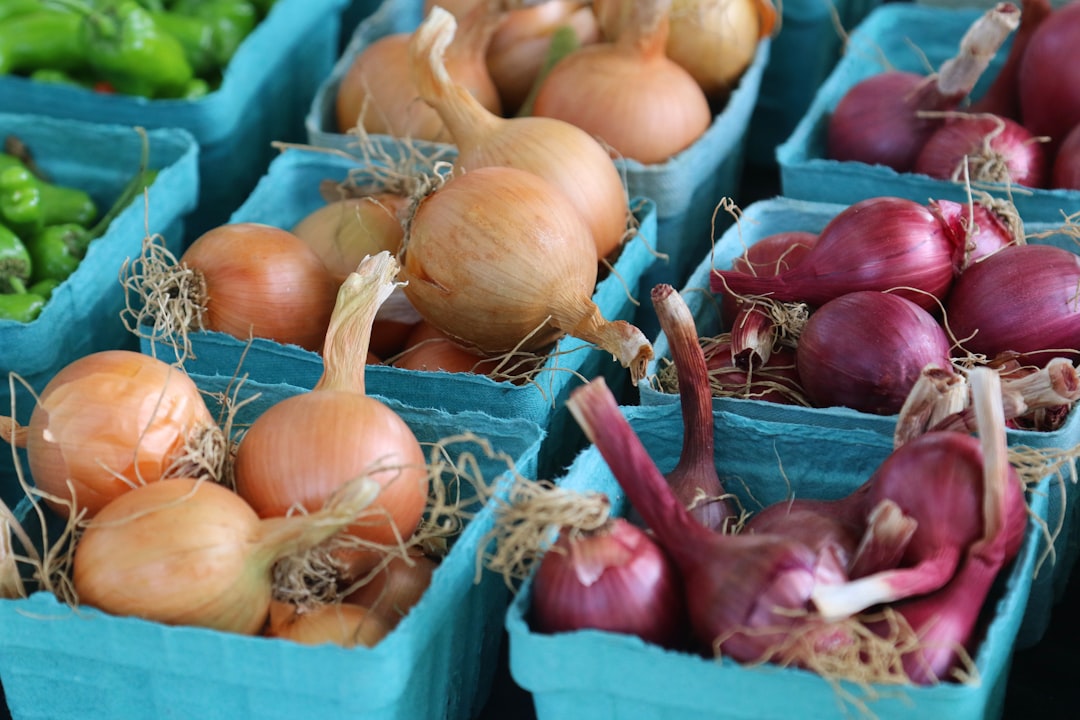
Some popular onion varieties include Vidalia onions, which are known for their sweet and mild flavor, Red Bull onion with its vibrant color and sharp taste, and Yellow Globe onions, a classic all - purpose variety. Consider your climate and personal taste preferences when making your selection.
Preparing the Soil
Onions thrive in well - drained, fertile soil with a pH level between 6.0 and 7.0. Start by testing your soil to determine its nutrient content and pH. If the soil is too acidic, you can add lime to raise the pH. If it's too alkaline, sulfur can be used to lower it.
Before planting, loosen the soil to a depth of at least 8 - 10 inches using a garden fork or tiller. Remove any rocks, weeds, or debris from the area. Incorporate organic matter such as compost, well - rotted manure, or leaf mold into the soil. This will improve the soil structure, add nutrients, and enhance water retention.
Planting Onions
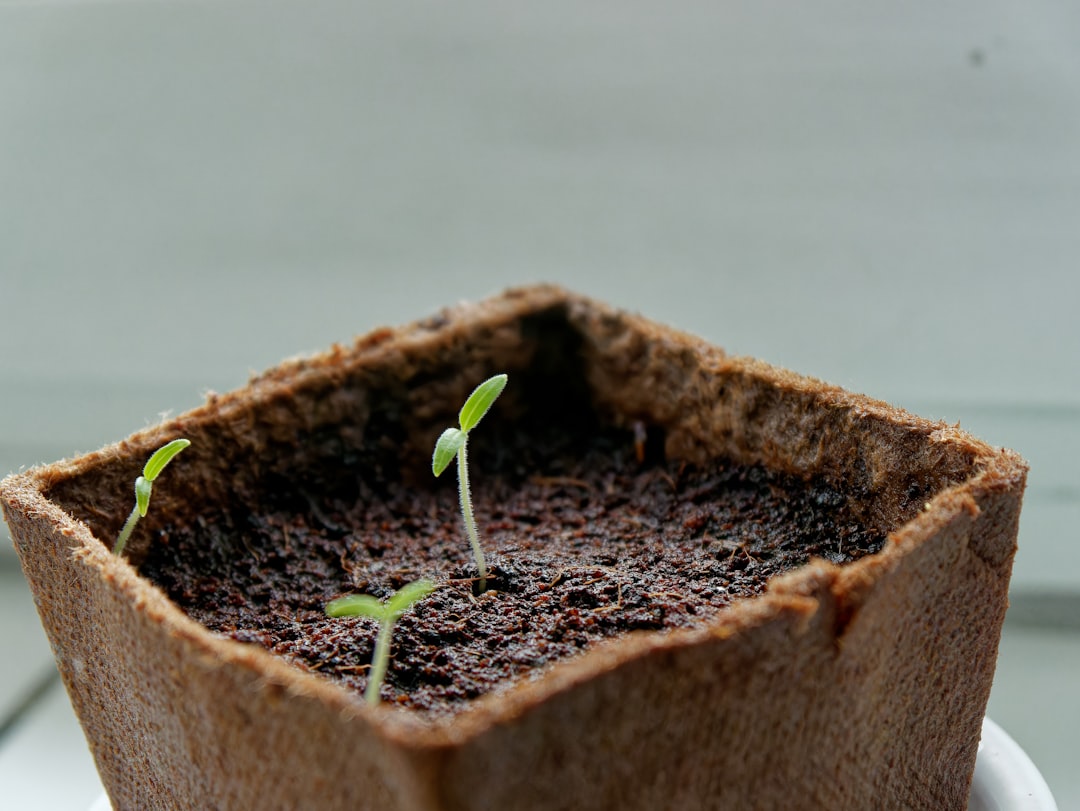
Onions can be planted from seeds, sets, or transplants. Planting from seeds gives you the widest variety of options but requires more time and effort. Seeds should be started indoors about 8 - 10 weeks before the last expected frost date. Sow the seeds in seed trays filled with a seed - starting mix, cover them lightly with soil, and keep the soil moist. Once the seedlings have developed their first true leaves, they can be thinned to prevent overcrowding.
Onion sets are small, immature bulbs that are easy to plant and establish quickly. They can be planted directly in the garden after the soil has warmed up in the spring. Plant the sets about 1 - 2 inches deep and 4 - 6 inches apart in rows that are 12 - 18 inches apart.
Transplants are young onion plants that are ready to be planted in the garden. They offer a good compromise between seeds and sets, as they are more established than seedlings but still provide a wider variety of choices than sets. Plant transplants at the same depth and spacing as sets.
Caring for Onion Plants
Watering is crucial for onion plants. They need consistent moisture, especially during the bulb - forming stage. Water deeply once or twice a week, depending on the weather conditions. Avoid over - watering, as this can lead to root rot. A layer of mulch around the plants can help retain moisture and suppress weeds.
Fertilizing onions is also important. Apply a balanced fertilizer, such as a 10 - 10 - 10 or 12 - 12 - 12 formula, at the time of planting. Side - dress the plants with nitrogen - rich fertilizer, such as blood meal or fish emulsion, about a month after planting and again when the bulbs start to swell.
Weeding is necessary to prevent competition for nutrients and water. Keep the area around the onion plants free of weeds by hand - pulling or using a hoe. Be careful not to damage the shallow roots of the onion plants while weeding.
Dealing with Pests and Diseases
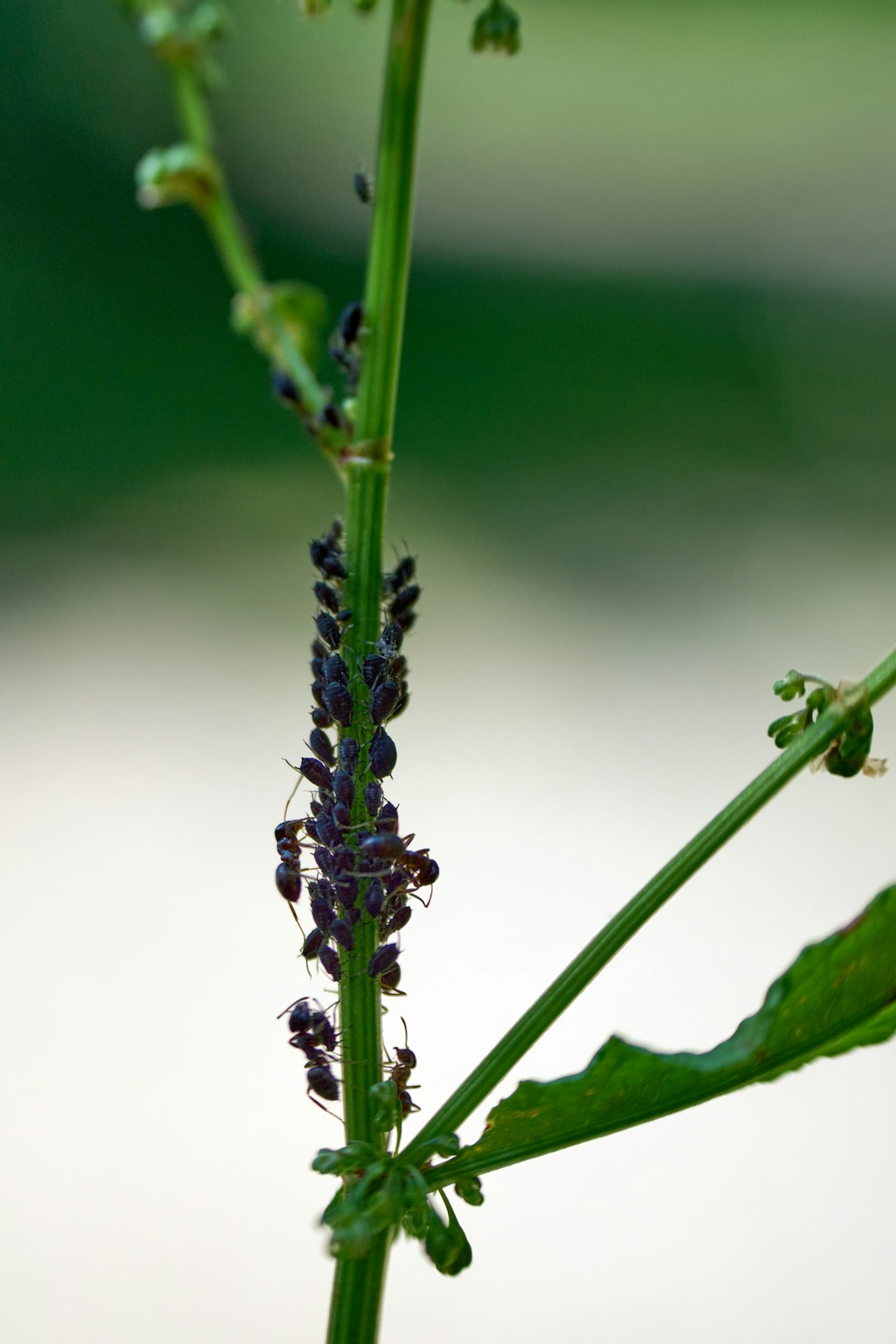
Onions can be affected by several pests and diseases. Common pests include onion maggots, thrips, and aphids. Onion maggots are the larvae of a fly that feed on the roots of onion plants. To prevent onion maggots, use floating row covers to keep the adult flies from laying eggs on the plants. If an infestation occurs, you can use insecticidal soap or neem oil to control the maggots.
Thrips are tiny insects that suck the sap from onion leaves, causing them to turn silver or brown. You can control thrips by spraying the plants with a strong stream of water to dislodge them or using insecticidal soap. Aphids can also be a problem, and they can be controlled in a similar way.
Diseases that affect onions include downy mildew, white rot, and purple blotch. To prevent these diseases, practice crop rotation, avoid overhead watering, and provide good air circulation around the plants. If a disease does occur, remove and destroy the infected plants to prevent the spread.
Harvesting Onions
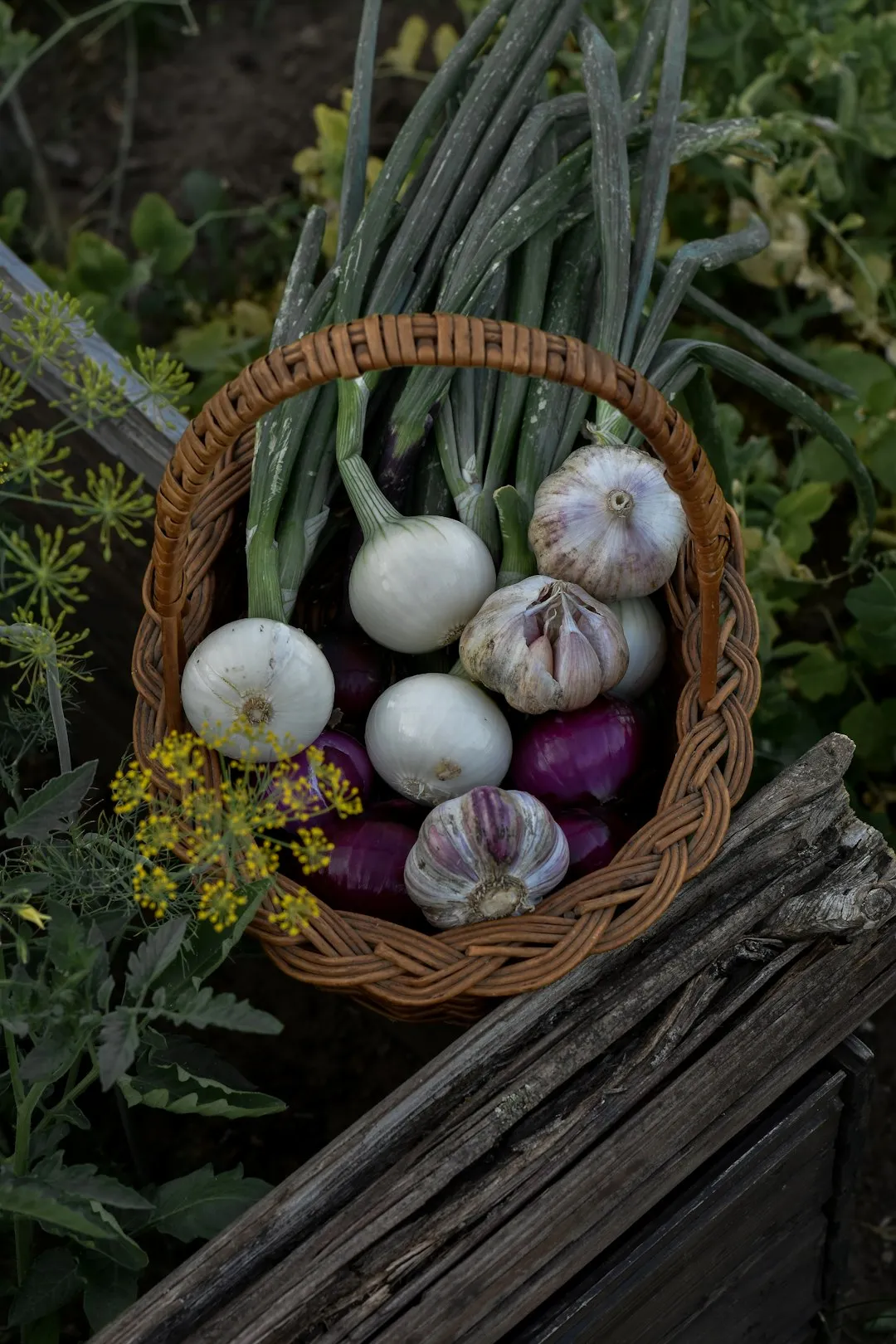
Onions are ready to be harvested when the tops start to turn yellow and fall over. This usually occurs in late summer or early fall, depending on the variety and planting time. Gently lift the onions from the soil using a garden fork or spade. Be careful not to damage the bulbs.
After harvesting, let the onions cure in a warm, dry, and well - ventilated area for about 2 - 3 weeks. This will help the outer skins dry and harden, which will extend the storage life of the onions. Once cured, remove the tops and roots and store the onions in a cool, dry place.
In conclusion, growing onions in your garden can be a fulfilling and delicious experience. By following these planting, care, pest and disease management, and harvesting tips, you can enjoy a successful onion crop year after year. So, roll up your sleeves, get your hands dirty, and start growing onions in your garden today!