
Rosemary, with its fragrant aroma and versatile culinary uses, is a beloved herb in many gardens. Learning how to propagate rosemary plants from stem cuttings can be a rewarding experience, allowing you to expand your herb collection without having to purchase new plants. In this guide, we'll walk you through the step - by - step process of propagating rosemary, whether you choose to do it in soil or water.
There are several reasons why you might want to propagate rosemary. Firstly, it's a cost - effective way to get more plants. Instead of spending money on new rosemary plants at the nursery, you can use cuttings from an existing healthy plant. Secondly, propagating your own rosemary gives you the satisfaction of growing a plant from a small cutting into a full - fledged herb. It also allows you to share your love for rosemary with friends and family by giving them the propagated plants.
Before you start taking cuttings, you need to gather the necessary materials. For soil propagation, you'll need a small pot filled with well - draining potting soil, a sharp pair of pruning shears, and a rooting hormone (although it's optional). If you're propagating in water, you'll need a clear glass or jar, water, and again, the pruning shears.
Choose a healthy rosemary plant from which to take the cuttings. Look for a plant that is free from diseases and pests, and has plenty of new growth. New growth is more likely to root successfully compared to older, woody stems.
Using your sharp pruning shears, cut 4 - 6 inches long stems from the rosemary plant. Make the cut just below a leaf node, which is where the leaves attach to the stem. Remove the lower leaves from the bottom 2 - 3 inches of the cutting. This is important because the leaves that are submerged in water or soil can rot and prevent the cutting from rooting.
Fill a clear glass or jar with water. Place the prepared rosemary cuttings in the water, making sure that at least 2 inches of the stem is submerged. Put the glass in a location that receives bright, indirect sunlight. Change the water every few days to keep it fresh and oxygenated. After a few weeks, you should start to see roots growing from the bottom of the cuttings. Once the roots are about an inch long, you can transplant the cuttings into soil.
If you choose to propagate in soil, dip the cut end of the rosemary cutting into rooting hormone (if you're using it). Make a small hole in the potting soil with a pencil or your finger. Insert the cutting into the hole and gently press the soil around it to hold it in place. Water the soil thoroughly, but make sure it's not waterlogged. Place the pot in a warm, sunny location. Keep the soil moist but not soggy. It may take a few weeks for the roots to develop. You can check for root growth by gently tugging on the cutting. If you feel resistance, it means roots have formed.
Once your rosemary cuttings have rooted, whether in water or soil, they need proper care. If you transplanted from water to soil, make sure to keep the soil consistently moist for the first few weeks. Provide them with plenty of sunlight, but protect them from intense, direct sunlight during the hottest part of the day. As the plants grow, you can start to fertilize them with a balanced, water - soluble fertilizer every few weeks.
Pruning is also an important part of caring for rosemary plants. Regular pruning will encourage bushier growth and prevent the plant from becoming too leggy. You can use the pruned rosemary in your cooking, adding a fresh and fragrant touch to your dishes.
In conclusion, propagating rosemary from stem cuttings is a simple and enjoyable process. Whether you choose water or soil propagation, with a little patience and care, you can have a thriving collection of rosemary plants in your edible garden.

Guardians of the Strawberry Patch: Top 10 Companion Plants
Guardians of the Strawberry Patch: Top 10 Companion Plants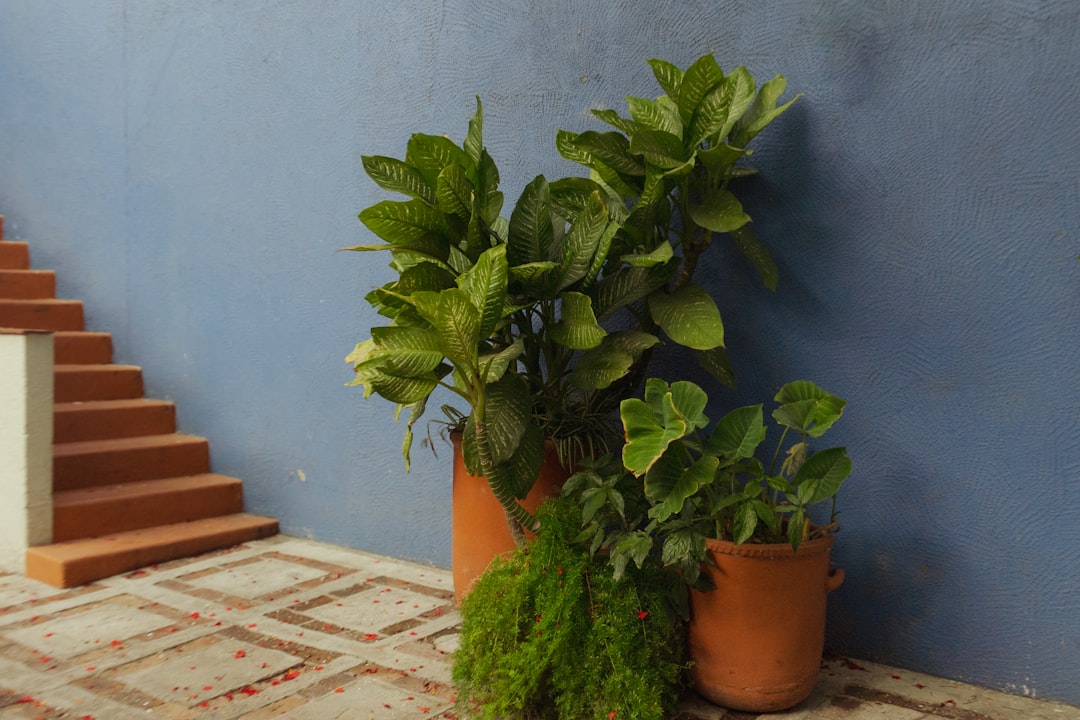
The Art of Harvesting Jalapeños: A Guide to Perfect Heat
The Art of Harvesting Jalapeños: A Guide to Perfect Heat
The Wonders of Home - Grown Wheatgrass
The Wonders of Home - Grown Wheatgrass
The Art of Garlic Harvesting and Storage
The Art of Garlic Harvesting and Storage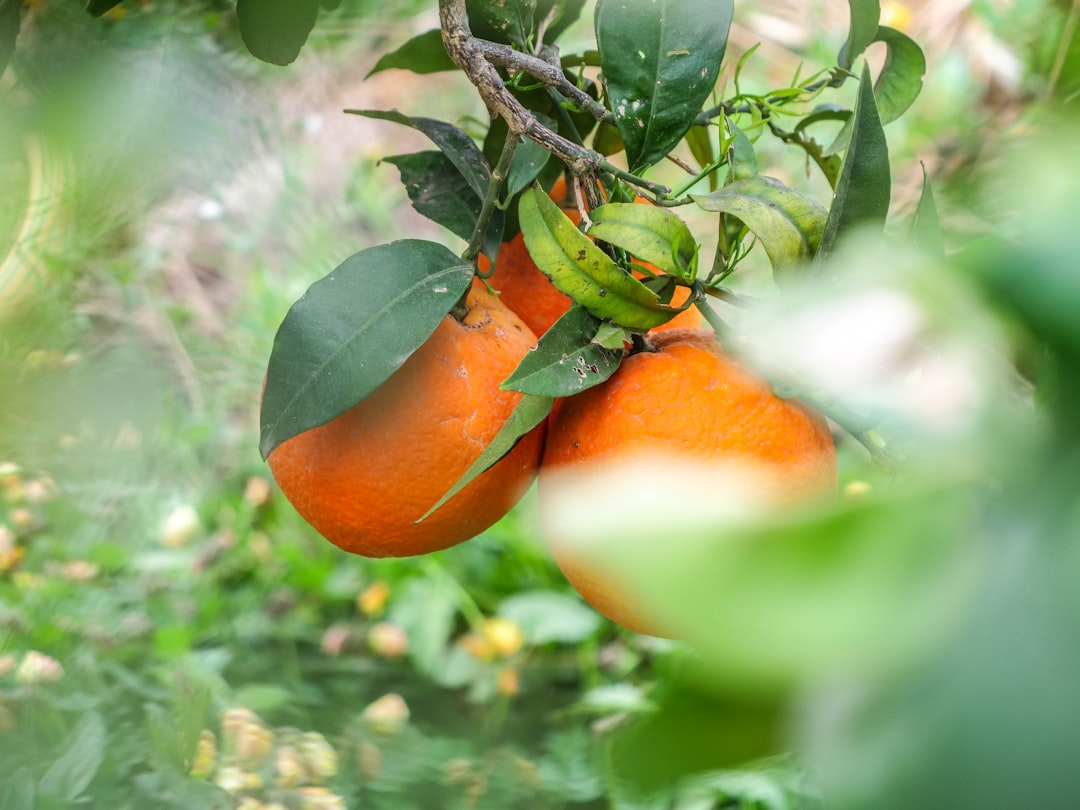
Unleashing the Potential of Small Spaces in Vegetable Gardening
Unleashing the Potential of Small Spaces in Vegetable Gardening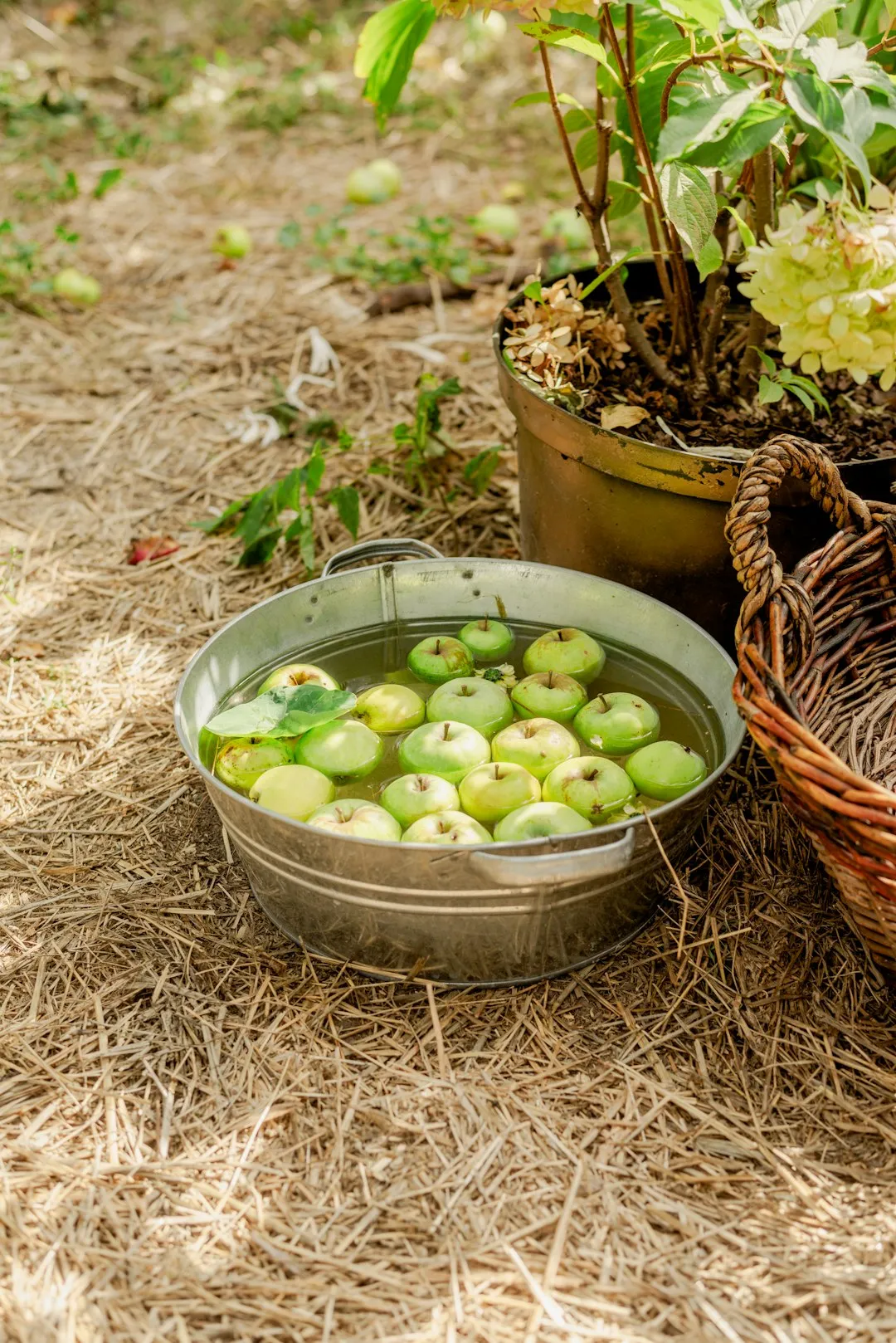
The Secret to Bountiful Pepper Yields: Space Management
The Secret to Bountiful Pepper Yields: Space Management
Unveiling the Secrets of Lavender Harvesting
Unveiling the Secrets of Lavender Harvesting
Unveiling the Secrets of New Guinea Impatiens in Shady Gardens
Unveiling the Secrets of New Guinea Impatiens in Shady Gardens
The Secret Rules of Dividing Perennial Plants in Your Garden
The Secret Rules of Dividing Perennial Plants in Your Garden
The Art of Lily Bulb Planting: Timing and Tips
The Art of Lily Bulb Planting: Timing and Tips
The Allure of Joseph's Coat Plants in Gardening and Indoors
The Allure of Joseph's Coat Plants in Gardening and Indoors
The Secret to a Year - Round Colorful Garden
The Secret to a Year - Round Colorful Garden
The Secret Weapon for Your Garden: Perennial Peanuts
The Secret Weapon for Your Garden: Perennial Peanuts
The Secret to a Lush Fall Lawn: Timing Your Watering Right
The Secret to a Lush Fall Lawn: Timing Your Watering Right
Secrets to a Thriving Raised - Bed Garden
Secrets to a Thriving Raised - Bed Garden
Unveiling the Truths in Your Garden
Unveiling the Truths in Your Garden
Navigating the Autumn Foliage Cleanup Dilemma in Your Neighborhood
Navigating the Autumn Foliage Cleanup Dilemma in Your Neighborhood
The Secret to Keeping Dahlias Upright in Your Yard
The Secret to Keeping Dahlias Upright in Your Yard
The Secret to a Thriving Yard: Sustainable Gardening
The Secret to a Thriving Yard: Sustainable Gardening
The Truth About Using Coffee Grounds to Change Hydrangea Colors
The Truth About Using Coffee Grounds to Change Hydrangea Colors

