Unleashing the Bounty of Your Vegetable Garden
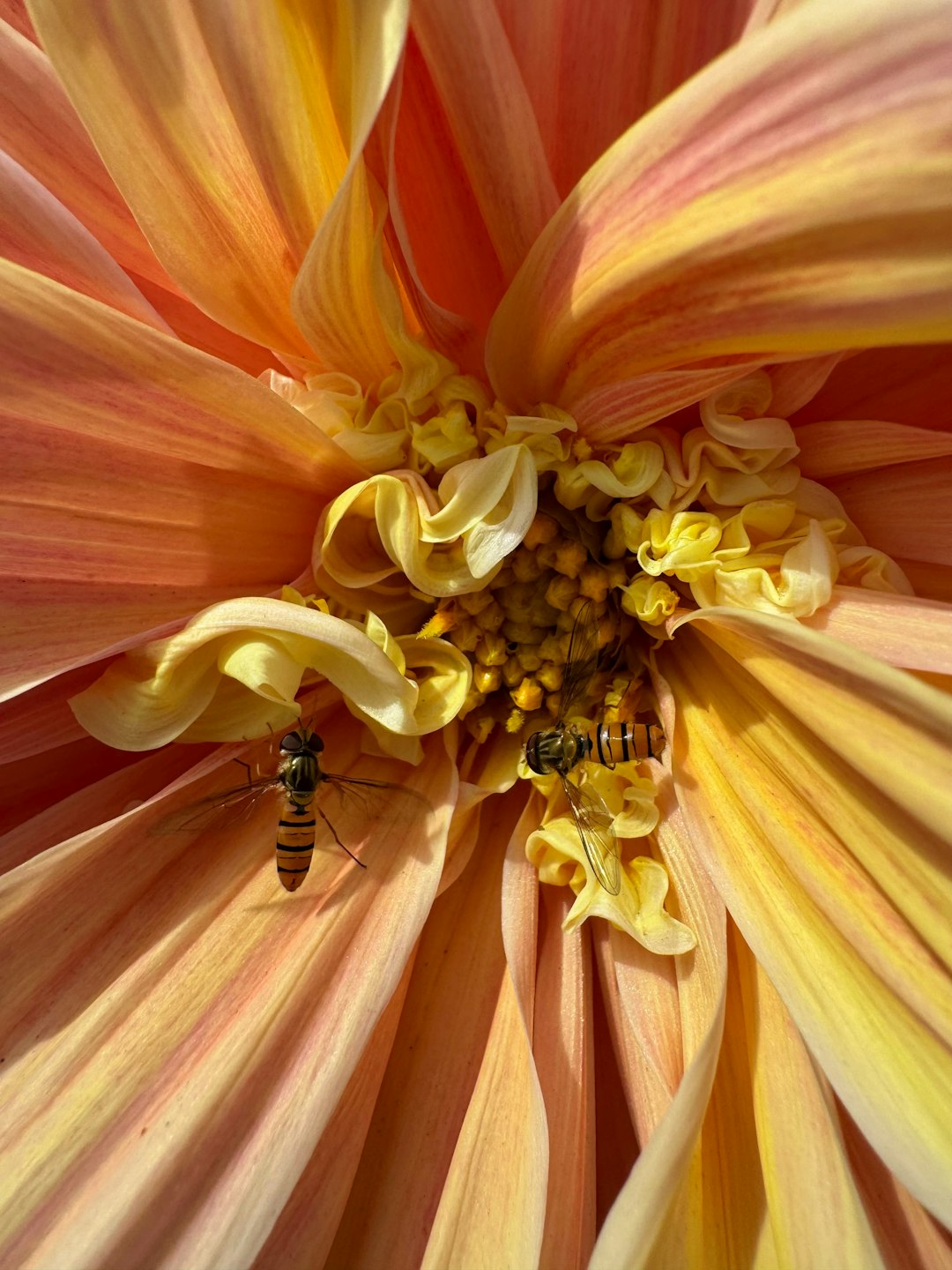
Edible gardening, especially vegetable gardening, is a rewarding endeavor that allows you to enjoy the freshest produce right from your backyard. In this guide, we'll explore everything from plant selection to trellising tips to help you maximize the yield of your vegetable garden.
### Plant Selection
The first step in a successful vegetable garden is choosing the right plants. Consider your climate, soil type, and the amount of sunlight your garden receives. For instance, if you live in a hot and dry climate, heat - tolerant vegetables like tomatoes, peppers, and eggplants are great choices. On the other hand, if you have a cooler climate, leafy greens such as lettuce, spinach, and kale thrive well.
It's also important to diversify your plant selection. This not only adds variety to your diet but also helps in pest control. Different plants attract different beneficial insects, which can keep harmful pests at bay. For example, marigolds are known to repel nematodes, and planting them alongside your vegetables can protect your crops.
### Soil Preparation
Healthy soil is the foundation of a productive vegetable garden. Start by testing your soil to determine its pH level and nutrient content. Most vegetables prefer a slightly acidic to neutral soil (pH 6.0 - 7.0). If your soil is too acidic, you can add lime to raise the pH, and if it's too alkaline, sulfur can be added to lower it.
Adding organic matter to your soil is crucial. Compost, well - rotted manure, and leaf mold are excellent sources of organic matter. They improve soil structure, retain moisture, and provide essential nutrients to your plants. Spread a layer of organic matter over your garden bed and till it in to a depth of about 8 - 10 inches.
### Planting Techniques
When it comes to planting, proper spacing is key. Overcrowding your plants can lead to poor air circulation, which increases the risk of diseases. Refer to the seed packet or plant label for the recommended spacing for each vegetable. For example, tomatoes should be spaced about 2 - 3 feet apart, while carrots can be planted closer together, about 2 - 3 inches apart.
You can start some vegetables from seeds indoors several weeks before the last frost date. This gives them a head start and allows you to harvest earlier. Vegetables like tomatoes, peppers, and broccoli are commonly started indoors. Once the seedlings are strong enough, they can be transplanted into your garden.
### Trellising Tips
Trellising is a great way to save space and increase the yield of your vegetable garden. Vining vegetables such as cucumbers, beans, and peas benefit greatly from trellising. It keeps the plants off the ground, reducing the risk of diseases and making it easier to harvest.
There are different types of trellises you can use, such as bamboo stakes, wire fences, and wooden frames. When setting up a trellis, make sure it is sturdy enough to support the weight of the plants. As the plants grow, gently train them to climb the trellis by tying them with soft twine or plant clips.
### Watering and Fertilizing
Watering your vegetable garden properly is essential. Most vegetables need about 1 - 2 inches of water per week, either from rainfall or irrigation. Water deeply and infrequently to encourage deep root growth. Avoid overhead watering, as it can wet the leaves and increase the risk of fungal diseases. Drip irrigation or soaker hoses are ideal for vegetable gardens.
Fertilizing your plants is also important to ensure they have enough nutrients. You can use organic fertilizers such as compost tea, fish emulsion, or granular fertilizers. Follow the instructions on the fertilizer package for the correct application rate. Too much fertilizer can be harmful to your plants, so it's important to use it in moderation.
### Pest and Disease Management
Vegetable gardens are often prone to pests and diseases. One of the best ways to manage them is through prevention. Keep your garden clean by removing any dead or diseased plants promptly. Practice crop rotation each year to prevent the buildup of pests and diseases in the soil.
If you do encounter pests, there are natural remedies you can try. For example, a mixture of water and dish soap can be sprayed on aphids to get rid of them. Neem oil is also an effective natural pesticide that can control a wide range of pests.
In conclusion, with the right plant selection, soil preparation, planting techniques, trellising, watering, fertilizing, and pest management, you can transform your vegetable garden into a bountiful source of fresh and delicious vegetables. So, roll up your sleeves and start your edible gardening journey today!