Beefsteak tomato plants, often referred to as slicers, are a delightful addition to any vegetable garden or container setup. With their large, juicy fruits, they are a favorite among gardeners and food enthusiasts alike. In this article, we will explore some simple yet effective tips to ensure the successful growth of beefsteak tomato plants.
First and foremost, choosing the right location is crucial. Beefsteak tomatoes thrive in full sun, which means they need at least 6 - 8 hours of direct sunlight per day. Select a spot in your garden that receives ample sunlight throughout the day. If you're growing them in containers, place the containers in a sunny area, such as a south - facing balcony or patio. This exposure to sunlight is essential for photosynthesis, which helps the plants produce the energy they need to grow strong and healthy.
Soil quality also plays a vital role in the growth of beefsteak tomato plants. These plants prefer well - drained, fertile soil with a pH level between 6.0 and 6.8. You can improve the soil by adding organic matter, such as compost or well - rotted manure. Organic matter not only enriches the soil with nutrients but also improves its structure, allowing for better water drainage and root penetration. Before planting, work the organic matter into the soil to a depth of about 8 - 10 inches.
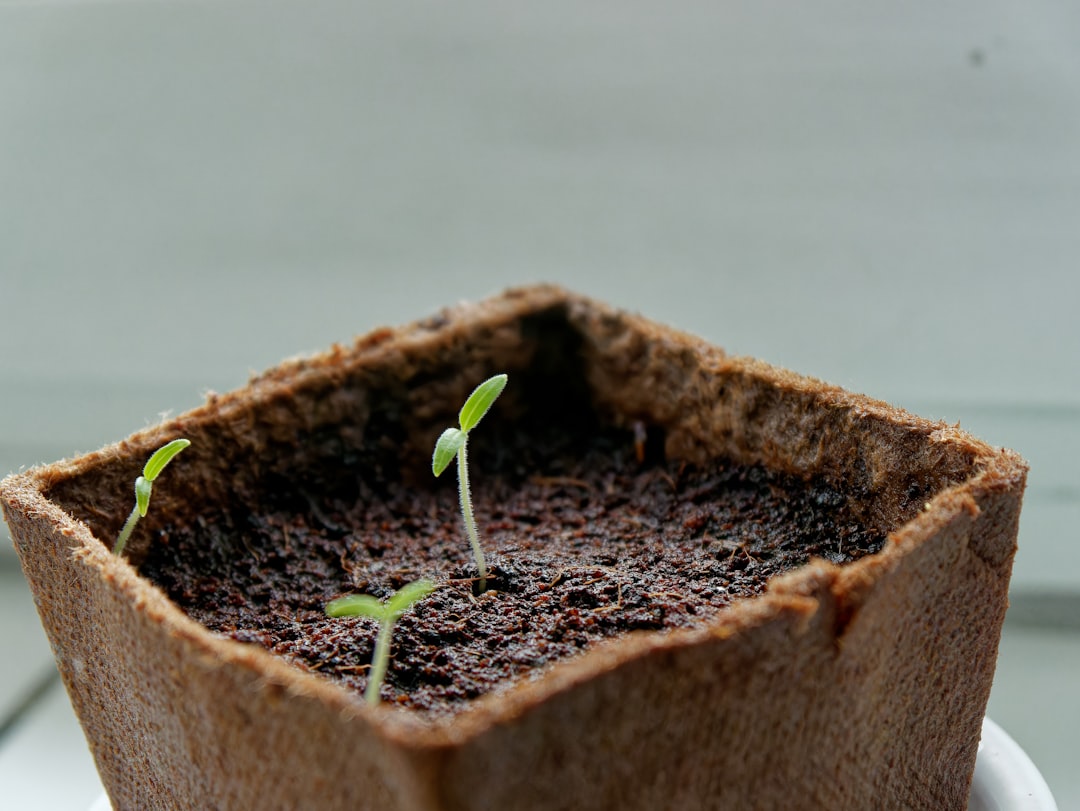
When it comes to planting, start by purchasing healthy beefsteak tomato seedlings from a reputable nursery or start your own from seeds indoors about 6 - 8 weeks before the last expected frost date. If you're planting seedlings, dig a hole that is slightly deeper and wider than the root ball. Remove the plant from its container and gently loosen the roots before placing it in the hole. Backfill the hole with soil and press it down firmly around the base of the plant. Space the plants about 2 - 3 feet apart to allow for proper air circulation and growth.
Watering is another important aspect of caring for beefsteak tomato plants. These plants need consistent moisture, but they don't like to be waterlogged. Water the plants deeply once or twice a week, depending on the weather conditions. During hot, dry periods, you may need to water more frequently. It's best to water at the base of the plant to avoid getting the leaves wet, as wet leaves can lead to the development of fungal diseases. You can use a soaker hose or drip irrigation system to ensure that the water reaches the roots directly.
Fertilizing is necessary to provide the plants with the nutrients they need for optimal growth. Use a balanced fertilizer, such as a 10 - 10 - 10 or 14 - 14 - 14 formula, and apply it according to the package instructions. Start fertilizing about 2 - 3 weeks after planting and continue every 3 - 4 weeks throughout the growing season. You can also use organic fertilizers, such as fish emulsion or seaweed extract, which are gentle on the plants and the environment.
Pruning is an optional but beneficial practice for beefsteak tomato plants. Pruning helps to improve air circulation, reduce the risk of diseases, and focus the plant's energy on fruit production. Remove the suckers, which are the small shoots that grow in the axils between the main stem and the branches. You can use a pair of sharp pruning shears to make clean cuts. However, be careful not to over - prune, as this can stress the plant and reduce its yield.
As the plants grow, they will need support to keep the heavy fruit off the ground. You can use stakes, cages, or trellises to support the plants. Stakes should be at least 6 feet tall and driven into the ground about 1 - 2 feet deep next to the plant. Tie the main stem of the plant to the stake using soft twine or plant ties. Cages are also a popular option, as they provide more support and allow the plant to grow in a more natural shape. Place the cage around the plant at the time of planting and adjust it as the plant grows.
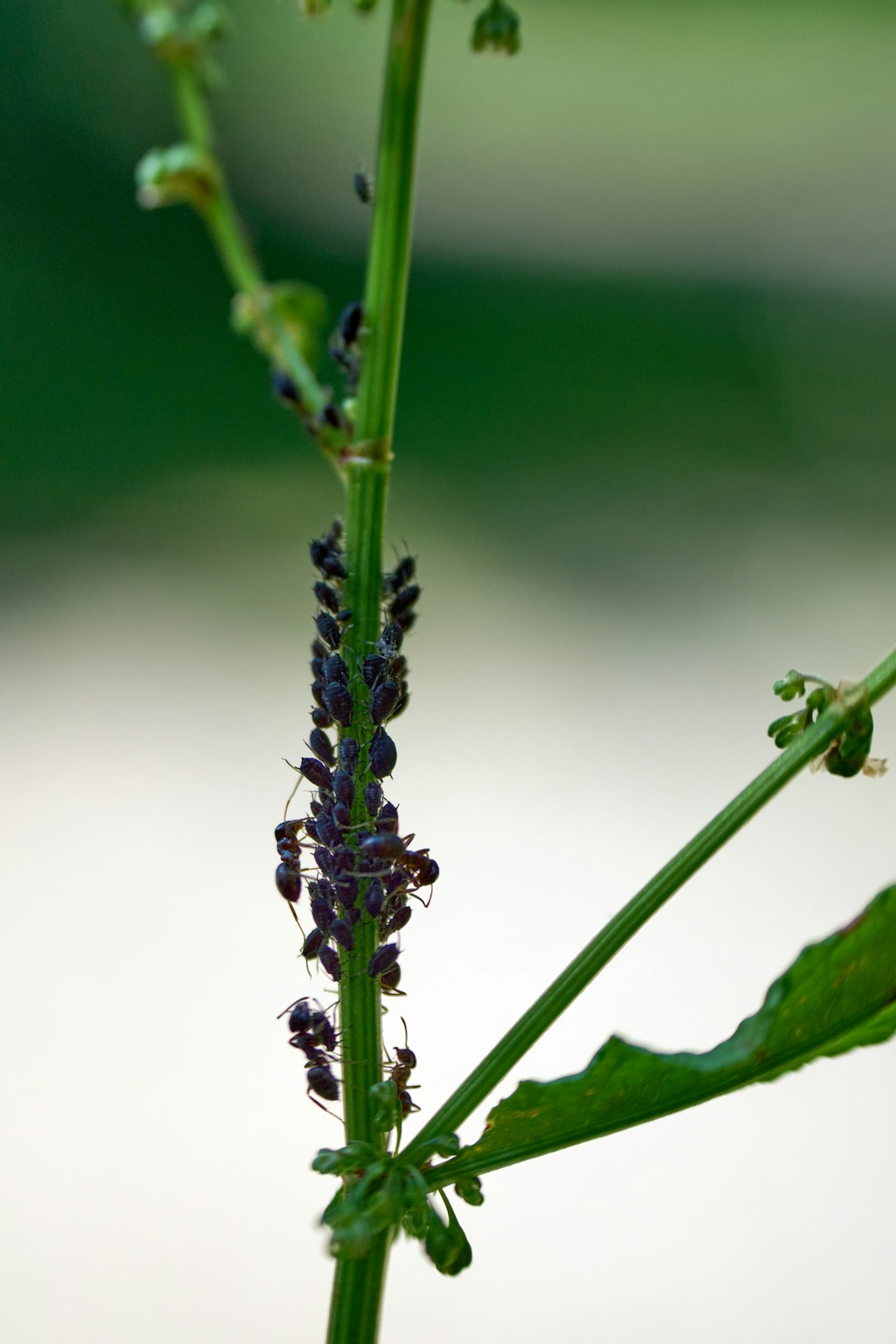
Finally, keep an eye out for pests and diseases. Common pests that affect beefsteak tomato plants include aphids, tomato hornworms, and whiteflies. You can control pests by using natural methods, such as spraying the plants with a mixture of water and dish soap or introducing beneficial insects, such as ladybugs or lacewings. Diseases, such as early blight, late blight, and blossom end rot, can also be a problem. To prevent diseases, practice good garden hygiene, such as removing infected leaves and debris, and rotate your crops each year.
In conclusion, growing beefsteak tomato plants can be a rewarding experience with these simple tips. By providing the right growing conditions, proper care, and attention, you can enjoy a bountiful harvest of delicious, juicy beefsteak tomatoes. Whether you're a seasoned gardener or a beginner, these tips will help you achieve success in growing these wonderful plants.