
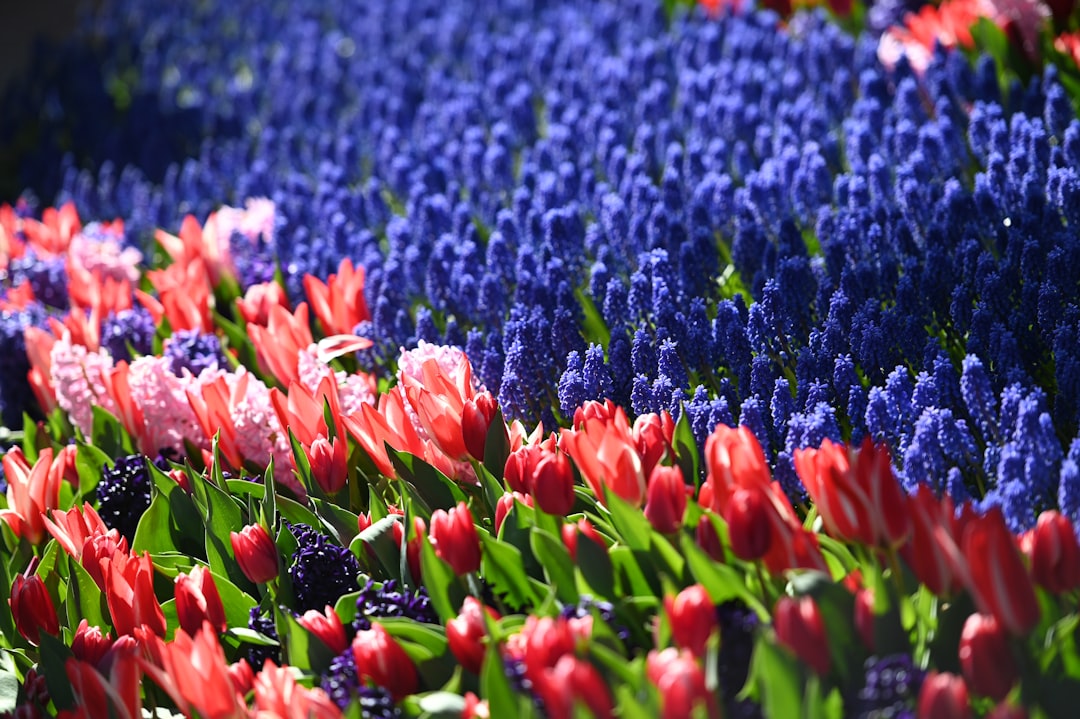
Embarking on the journey of growing your own cranberries is not only a rewarding experience but also a step towards self - sufficiency and a greener lifestyle. In this comprehensive guide, we will delve into the intricacies of planting and caring for this delicious and versatile crop.
First and foremost, understanding the natural habitat of cranberries is crucial. Cranberries are native to North America and thrive in wet, acidic environments. They are typically found in bogs, which are characterized by their water - logged soil and low pH levels. When planning to grow cranberries, you need to mimic these conditions as closely as possible.
**Selecting the Right Location**
Choose a site that receives full sun for at least six hours a day. While cranberries can tolerate some shade, they produce the best yields in sunny locations. The area should also have good drainage, but at the same time, it should be possible to keep the soil consistently moist. If you don't have a natural bog on your property, you can create a raised bed or a container garden to grow cranberries.
**Preparing the Soil**
Cranberries prefer soil with a pH between 4.0 and 5.5. You can test your soil's pH using a home testing kit. If the pH is too high, you can lower it by adding elemental sulfur or peat moss to the soil. Incorporate organic matter such as compost or well - rotted manure into the soil to improve its structure and fertility. A well - prepared soil will provide the necessary nutrients for the cranberry plants to grow and thrive.
**Planting Cranberries**
You can start cranberries from either seeds or cuttings. However, growing from cuttings is more common and reliable. Purchase healthy cranberry cuttings from a reputable nursery. Plant the cuttings in the prepared soil, spacing them about 12 to 18 inches apart. Make sure the roots are well - covered with soil, and water the plants thoroughly after planting.
**Watering and Irrigation**
Consistent moisture is key for cranberry plants. They need about 1 to 2 inches of water per week, either from rainfall or irrigation. During dry spells, you may need to water the plants more frequently. However, be careful not to over - water, as this can lead to root rot. A drip irrigation system is an excellent way to provide a steady supply of water to the cranberry plants without drowning them.
**Fertilizing**
Cranberries have relatively low fertilizer requirements. Use a slow - release, acid - loving fertilizer in the spring. Avoid using fertilizers high in nitrogen, as this can promote excessive foliage growth at the expense of fruit production. Follow the manufacturer's instructions for the correct application rate.
**Pest and Disease Management**
Like any crop, cranberries are susceptible to pests and diseases. Common pests include cranberry fruitworms, spittlebugs, and aphids. You can use natural predators such as ladybugs to control aphids. For more serious infestations, you may need to use an appropriate insecticide. Diseases such as fruit rot and leaf spot can be prevented by ensuring good air circulation around the plants and avoiding overhead watering.
**Harvesting Cranberries**
Cranberries are typically ready for harvest in the fall, usually from September to October. You can tell if the berries are ripe when they turn a deep red color. There are two methods of harvesting cranberries: dry harvesting and wet harvesting. Dry harvesting involves using a rake to pick the berries by hand. Wet harvesting is more common on a commercial scale and involves flooding the bog and using a machine to collect the floating berries.
Once you have harvested your cranberries, you can enjoy them in a variety of ways. They can be eaten fresh, made into cranberry sauce, or used in baking. Growing your own cranberries allows you to have a fresh and healthy supply of this wonderful fruit right at your fingertips.
In conclusion, growing cranberries at home is a challenging but highly rewarding endeavor. By following these steps for planting and caring for your cranberry plants, you can enjoy a bountiful harvest of delicious, home - grown cranberries for years to come.
Guardians of the Strawberry Patch: Top 10 Companion Plants
Guardians of the Strawberry Patch: Top 10 Companion Plants
The Art of Harvesting Jalapeños: A Guide to Perfect Heat
The Art of Harvesting Jalapeños: A Guide to Perfect Heat
The Wonders of Home - Grown Wheatgrass
The Wonders of Home - Grown Wheatgrass
The Art of Garlic Harvesting and Storage
The Art of Garlic Harvesting and Storage
Unleashing the Potential of Small Spaces in Vegetable Gardening
Unleashing the Potential of Small Spaces in Vegetable Gardening
The Secret to Bountiful Pepper Yields: Space Management
The Secret to Bountiful Pepper Yields: Space Management
Unveiling the Secrets of Lavender Harvesting
Unveiling the Secrets of Lavender Harvesting
Unveiling the Secrets of New Guinea Impatiens in Shady Gardens
Unveiling the Secrets of New Guinea Impatiens in Shady Gardens
The Secret Rules of Dividing Perennial Plants in Your Garden
The Secret Rules of Dividing Perennial Plants in Your Garden
The Art of Lily Bulb Planting: Timing and Tips
The Art of Lily Bulb Planting: Timing and Tips
The Allure of Joseph's Coat Plants in Gardening and Indoors
The Allure of Joseph's Coat Plants in Gardening and Indoors
The Secret to a Year - Round Colorful Garden
The Secret to a Year - Round Colorful Garden
The Secret Weapon for Your Garden: Perennial Peanuts
The Secret Weapon for Your Garden: Perennial Peanuts
The Secret to a Lush Fall Lawn: Timing Your Watering Right
The Secret to a Lush Fall Lawn: Timing Your Watering Right
Secrets to a Thriving Raised - Bed Garden
Secrets to a Thriving Raised - Bed Garden
Unveiling the Truths in Your Garden
Unveiling the Truths in Your Garden
Navigating the Autumn Foliage Cleanup Dilemma in Your Neighborhood
Navigating the Autumn Foliage Cleanup Dilemma in Your Neighborhood
The Secret to Keeping Dahlias Upright in Your Yard
The Secret to Keeping Dahlias Upright in Your Yard
The Secret to a Thriving Yard: Sustainable Gardening
The Secret to a Thriving Yard: Sustainable Gardening
The Truth About Using Coffee Grounds to Change Hydrangea Colors
The Truth About Using Coffee Grounds to Change Hydrangea Colors

