
Peppers are a staple in many gardens, offering a variety of flavors, colors, and heat levels. Whether you're a seasoned gardener or a beginner, understanding how much space different pepper varieties need is crucial for achieving big yields and growing healthier plants. In this article, we'll explore the space requirements for various pepper types and provide tips on how to optimize your garden layout for maximum productivity.
Proper spacing is essential for pepper plants for several reasons. First, it allows each plant to receive an adequate amount of sunlight, water, and nutrients. When plants are overcrowded, they compete for these resources, which can lead to stunted growth, poor fruit development, and increased susceptibility to diseases and pests. Second, sufficient spacing promotes good air circulation around the plants, reducing the risk of fungal diseases such as powdery mildew and blight. Finally, well-spaced plants are easier to manage and harvest, making your gardening experience more enjoyable.
Bell peppers are one of the most popular pepper varieties, known for their sweet flavor and large, blocky fruits. These plants typically grow to a height of 2 - 3 feet and have a spread of about 18 - 24 inches. To ensure healthy growth and good yields, space bell pepper plants 18 - 24 inches apart in rows that are 24 - 36 inches apart. This spacing allows the plants to develop a strong root system and provides enough room for the fruits to mature without being crowded.
Jalapeño peppers are a favorite among spicy food lovers, with their medium - hot flavor and versatility in the kitchen. These plants are generally more compact than bell peppers, growing to a height of 18 - 24 inches and a spread of 12 - 18 inches. Space jalapeño plants 12 - 18 inches apart in rows that are 24 - 30 inches apart. This spacing gives the plants enough space to grow and produce an abundance of peppers.
Habanero peppers are extremely hot, with a fruity and spicy flavor. They are taller and bushier than jalapeño peppers, reaching a height of 2 - 4 feet and a spread of 24 - 36 inches. For habanero peppers, space the plants 24 - 36 inches apart in rows that are 36 - 48 inches apart. This wider spacing is necessary to accommodate the plant's larger size and to allow for proper air circulation.
Banana peppers are mild and sweet, often used in salads, sandwiches, and pickling. These plants grow to a height of 18 - 24 inches and have a spread of 12 - 18 inches. Space banana pepper plants 12 - 18 inches apart in rows that are 24 - 30 inches apart. This spacing provides enough room for the plants to grow and produce a good crop of peppers.
If you have limited garden space, there are several strategies you can use to grow peppers more efficiently:
Container gardening is a great option for growing peppers, especially if you have a small yard or balcony. Choose a large container that is at least 12 - 18 inches in diameter and has drainage holes. You can grow one pepper plant per container, or if the container is large enough, you can space multiple plants according to their requirements. Make sure to use a high - quality potting mix and water the plants regularly.
Vertical gardening is another space - saving technique. You can use trellises, cages, or stakes to support pepper plants and train them to grow vertically. This not only saves space but also improves air circulation and makes it easier to harvest the peppers. For example, you can use a tomato cage for bell peppers or a trellis for habanero peppers.
Intercropping involves planting different crops together in the same area. You can plant peppers with other compatible vegetables such as lettuce, spinach, or herbs. This maximizes the use of space and can also help deter pests and diseases. Just make sure to choose plants that have similar sunlight, water, and nutrient requirements.
By understanding the space requirements of different pepper varieties and implementing space - saving strategies, you can grow healthy, productive pepper plants in your garden. Whether you're growing a few plants in containers or a large pepper patch, proper spacing is the key to achieving big yields and enjoying a bountiful harvest of delicious peppers. So, take the time to plan your garden layout and give your pepper plants the space they need to thrive.
Guardians of the Strawberry Patch: Top 10 Companion Plants
Guardians of the Strawberry Patch: Top 10 Companion Plants
The Art of Harvesting Jalapeños: A Guide to Perfect Heat
The Art of Harvesting Jalapeños: A Guide to Perfect Heat
The Wonders of Home - Grown Wheatgrass
The Wonders of Home - Grown Wheatgrass
The Art of Garlic Harvesting and Storage
The Art of Garlic Harvesting and Storage
Unleashing the Potential of Small Spaces in Vegetable Gardening
Unleashing the Potential of Small Spaces in Vegetable Gardening
The Secret to Bountiful Pepper Yields: Space Management
The Secret to Bountiful Pepper Yields: Space Management
Unveiling the Secrets of Lavender Harvesting
Unveiling the Secrets of Lavender Harvesting
Unveiling the Secrets of New Guinea Impatiens in Shady Gardens
Unveiling the Secrets of New Guinea Impatiens in Shady Gardens
The Secret Rules of Dividing Perennial Plants in Your Garden
The Secret Rules of Dividing Perennial Plants in Your Garden
The Art of Lily Bulb Planting: Timing and Tips
The Art of Lily Bulb Planting: Timing and Tips
The Allure of Joseph's Coat Plants in Gardening and Indoors
The Allure of Joseph's Coat Plants in Gardening and Indoors
The Secret to a Year - Round Colorful Garden
The Secret to a Year - Round Colorful Garden
The Secret Weapon for Your Garden: Perennial Peanuts
The Secret Weapon for Your Garden: Perennial Peanuts
The Secret to a Lush Fall Lawn: Timing Your Watering Right
The Secret to a Lush Fall Lawn: Timing Your Watering Right
Secrets to a Thriving Raised - Bed Garden
Secrets to a Thriving Raised - Bed Garden
Unveiling the Truths in Your Garden
Unveiling the Truths in Your Garden
Navigating the Autumn Foliage Cleanup Dilemma in Your Neighborhood
Navigating the Autumn Foliage Cleanup Dilemma in Your Neighborhood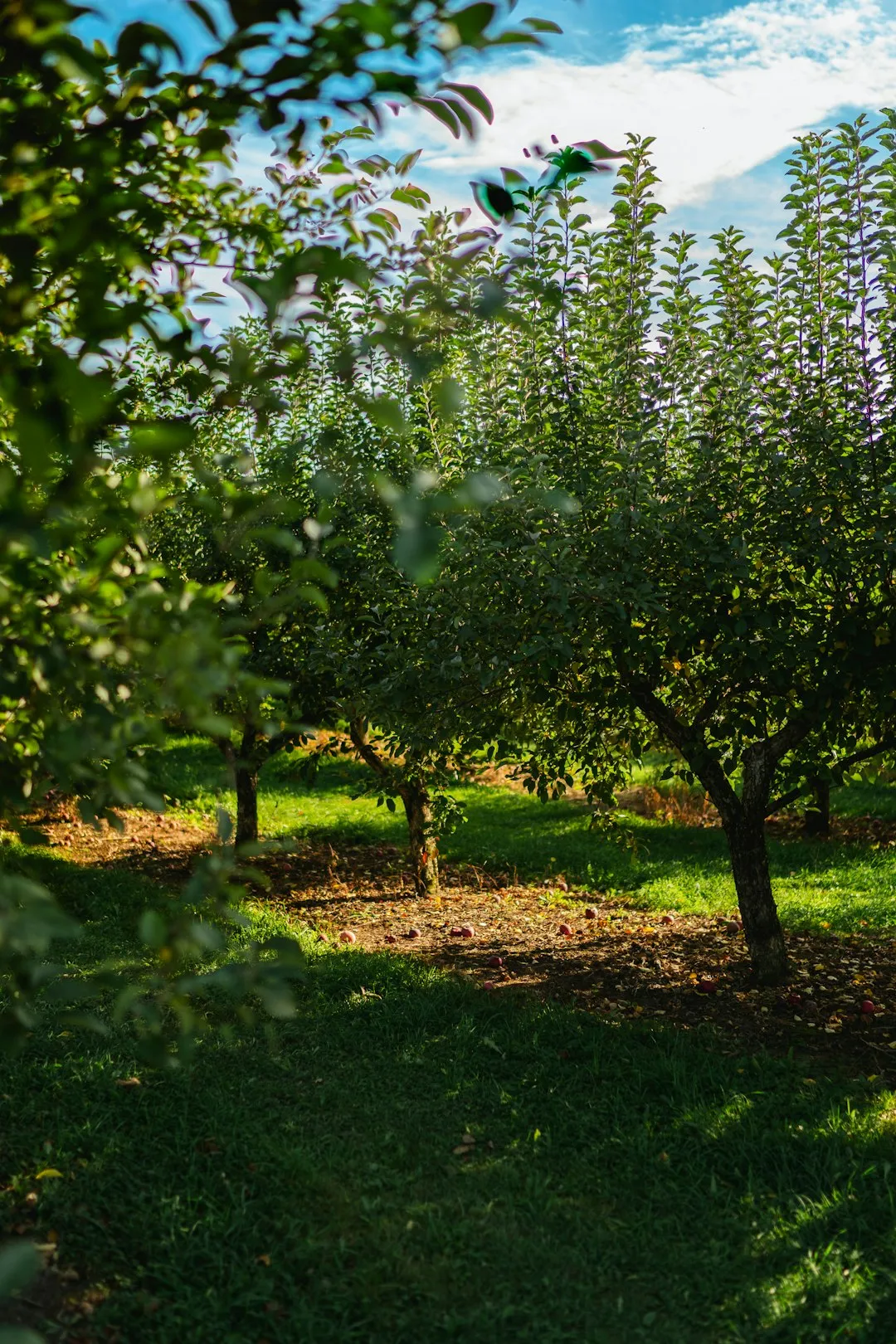
The Secret to Keeping Dahlias Upright in Your Yard
The Secret to Keeping Dahlias Upright in Your Yard
The Secret to a Thriving Yard: Sustainable Gardening
The Secret to a Thriving Yard: Sustainable Gardening
The Truth About Using Coffee Grounds to Change Hydrangea Colors
The Truth About Using Coffee Grounds to Change Hydrangea Colors

