
As the summer sun beats down and the allure of a well - deserved vacation calls, the thought of leaving your garden behind can be a source of anxiety. However, with the right watering tips from gardening experts, you can enjoy your summer getaway without fretting about the health of your plants.
One of the first steps in proper yard care during your absence is to understand the water needs of your plants. Different plants have different requirements. For instance, succulents are known for their ability to store water and can go for longer periods without watering. On the other hand, annual flowers and vegetables typically need more frequent moisture. Take some time before your vacation to research the specific water needs of each plant in your garden. Grouping plants with similar water requirements together can also make the watering process more efficient.
Investing in a good quality irrigation system is a game - changer. Drip irrigation systems are highly recommended as they deliver water directly to the base of the plants, minimizing evaporation and ensuring that the water goes exactly where it's needed. These systems can be set on a timer, allowing you to schedule watering sessions even when you're not at home. You can adjust the timer according to the water needs of your plants and the local climate conditions. For example, in hot and dry areas, you may need to set the system to water more frequently.
Another option is soaker hoses. These hoses are porous and release water slowly along their length. They are great for watering flower beds and vegetable gardens. You can lay them out in a serpentine pattern around your plants to ensure even coverage. Soaker hoses are relatively inexpensive and easy to install. They can be connected to a standard garden hose and a timer, just like drip irrigation systems.
Adding a layer of mulch to your garden beds is an excellent way to conserve water. Mulch acts as a barrier, reducing evaporation from the soil surface. Organic mulches such as wood chips, straw, or shredded leaves also break down over time, adding nutrients to the soil. Apply a layer of mulch about 2 - 3 inches thick around your plants, being careful not to pile it up against the stems. This will help keep the soil moist for longer periods, reducing the frequency of watering.
If you don't have an automated irrigation system, you can enlist the help of a neighbor, friend, or family member. Provide them with clear instructions on how much and how often to water each plant. It's a good idea to show them around the garden and point out any special requirements. You can also leave them a watering schedule and a list of emergency contacts in case something goes wrong.
Before you leave for your vacation, give your garden a deep watering. This will ensure that the soil is thoroughly moistened and the plants have a good supply of water to start with. Water in the early morning or late evening to minimize evaporation. Use a soaker hose or a watering can to water slowly and deeply, allowing the water to penetrate the soil.
Monitoring the weather while you're away is also important. If there are heavy rains predicted, you may need to adjust your watering schedule or ask your helper to skip a watering session. On the other hand, if it's going to be extremely hot and dry, you may need to increase the frequency of watering.
When you return from your vacation, take some time to assess the condition of your garden. Check for any signs of over - watering or under - watering, such as yellowing leaves or wilting plants. Make any necessary adjustments to your watering routine based on what you observe. You may also need to prune any dead or damaged branches and fertilize your plants to help them recover.
In conclusion, with these expert watering tips, you can enjoy your summer vacation with peace of mind, knowing that your garden is in good hands. By understanding your plants' water needs, investing in the right irrigation systems, using mulch, and enlisting help when needed, you can ensure that your yard remains healthy and vibrant throughout the summer months.
Guardians of the Strawberry Patch: Top 10 Companion Plants
Guardians of the Strawberry Patch: Top 10 Companion Plants
The Art of Harvesting Jalapeños: A Guide to Perfect Heat
The Art of Harvesting Jalapeños: A Guide to Perfect Heat
The Wonders of Home - Grown Wheatgrass
The Wonders of Home - Grown Wheatgrass
The Art of Garlic Harvesting and Storage
The Art of Garlic Harvesting and Storage
Unleashing the Potential of Small Spaces in Vegetable Gardening
Unleashing the Potential of Small Spaces in Vegetable Gardening
The Secret to Bountiful Pepper Yields: Space Management
The Secret to Bountiful Pepper Yields: Space Management
Unveiling the Secrets of Lavender Harvesting
Unveiling the Secrets of Lavender Harvesting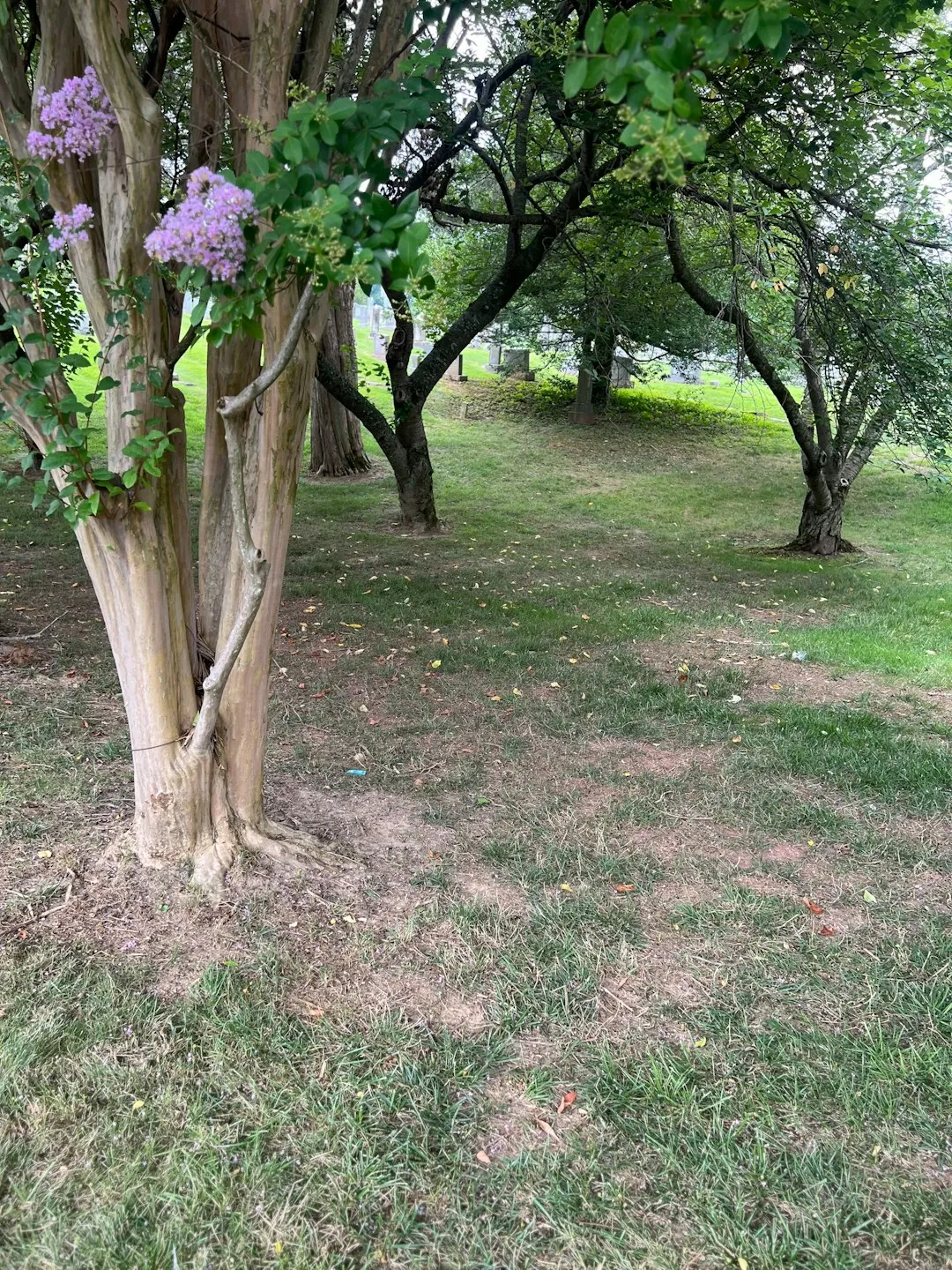
Unveiling the Secrets of New Guinea Impatiens in Shady Gardens
Unveiling the Secrets of New Guinea Impatiens in Shady Gardens
The Secret Rules of Dividing Perennial Plants in Your Garden
The Secret Rules of Dividing Perennial Plants in Your Garden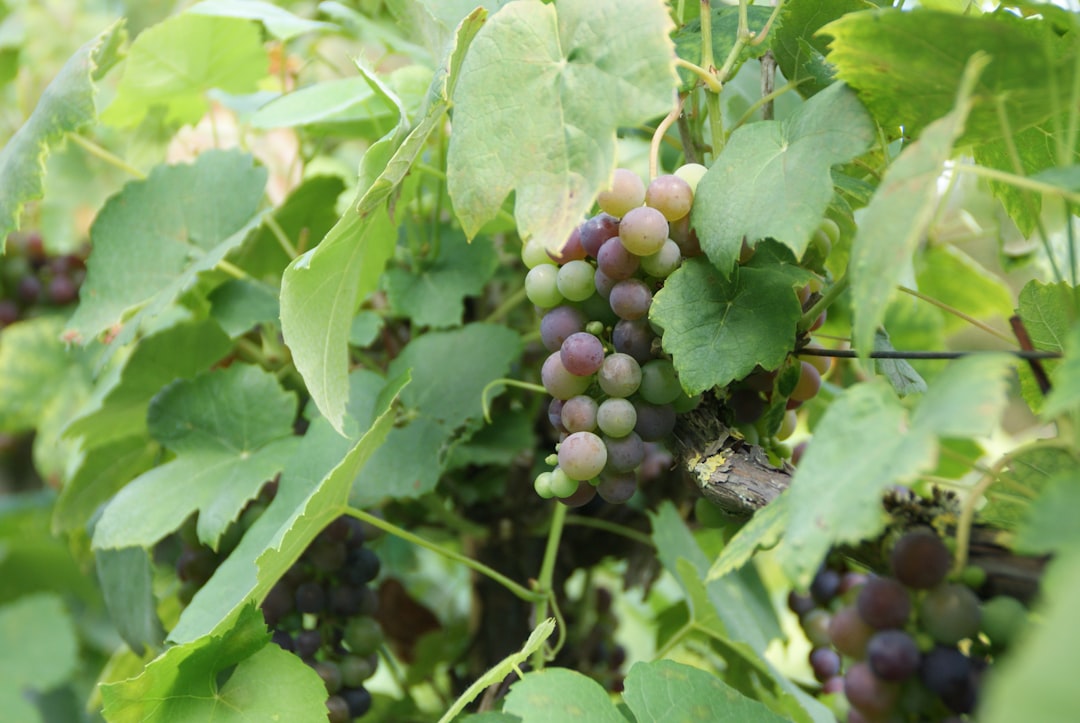
The Art of Lily Bulb Planting: Timing and Tips
The Art of Lily Bulb Planting: Timing and Tips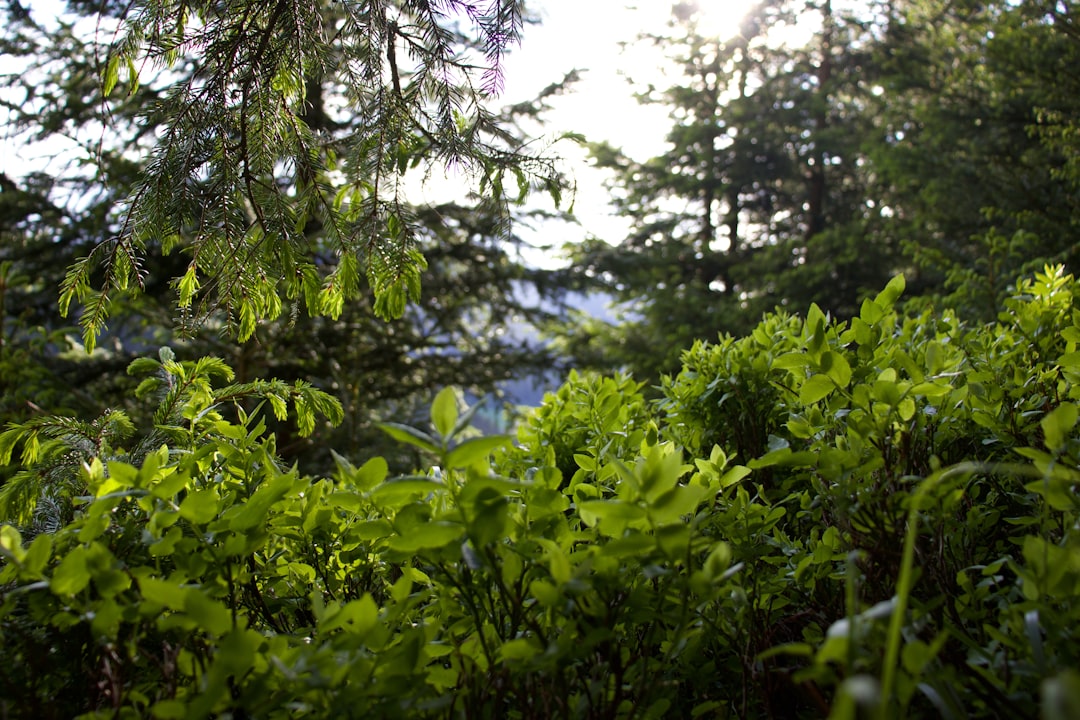
The Allure of Joseph's Coat Plants in Gardening and Indoors
The Allure of Joseph's Coat Plants in Gardening and Indoors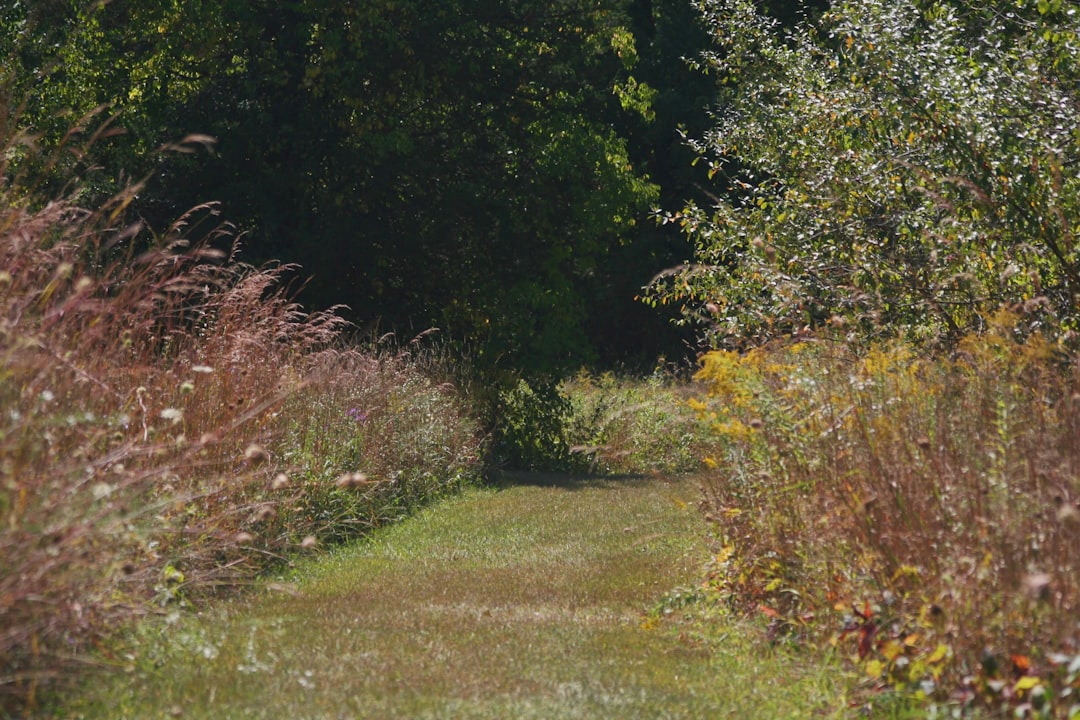
The Secret to a Year - Round Colorful Garden
The Secret to a Year - Round Colorful Garden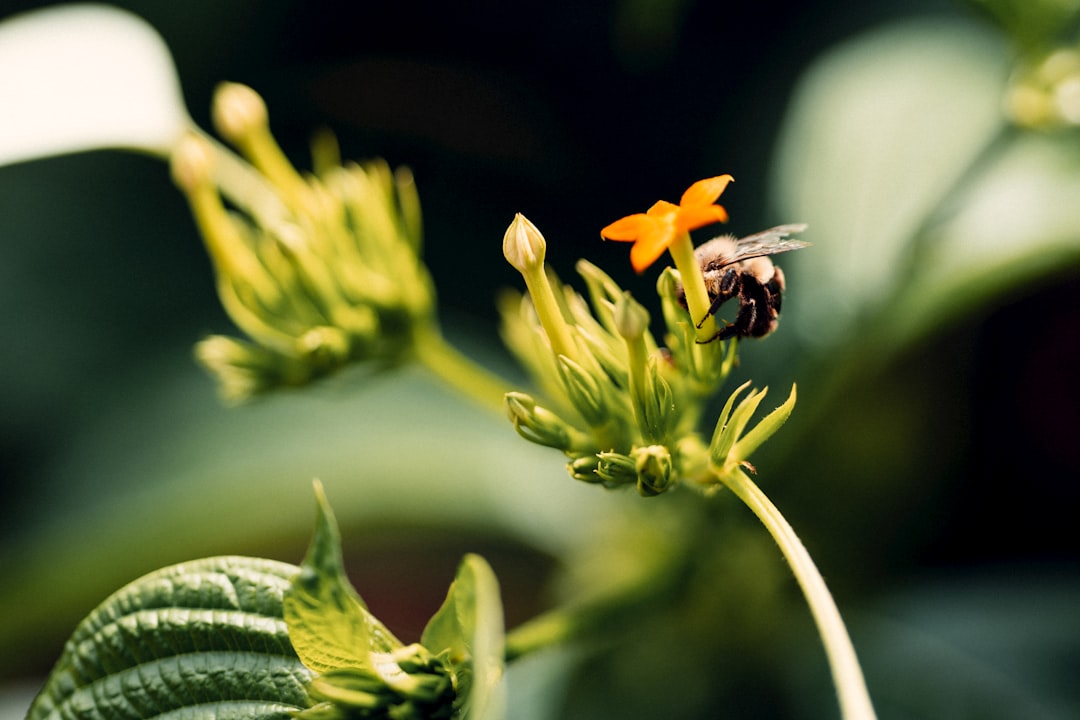
The Secret Weapon for Your Garden: Perennial Peanuts
The Secret Weapon for Your Garden: Perennial Peanuts
The Secret to a Lush Fall Lawn: Timing Your Watering Right
The Secret to a Lush Fall Lawn: Timing Your Watering Right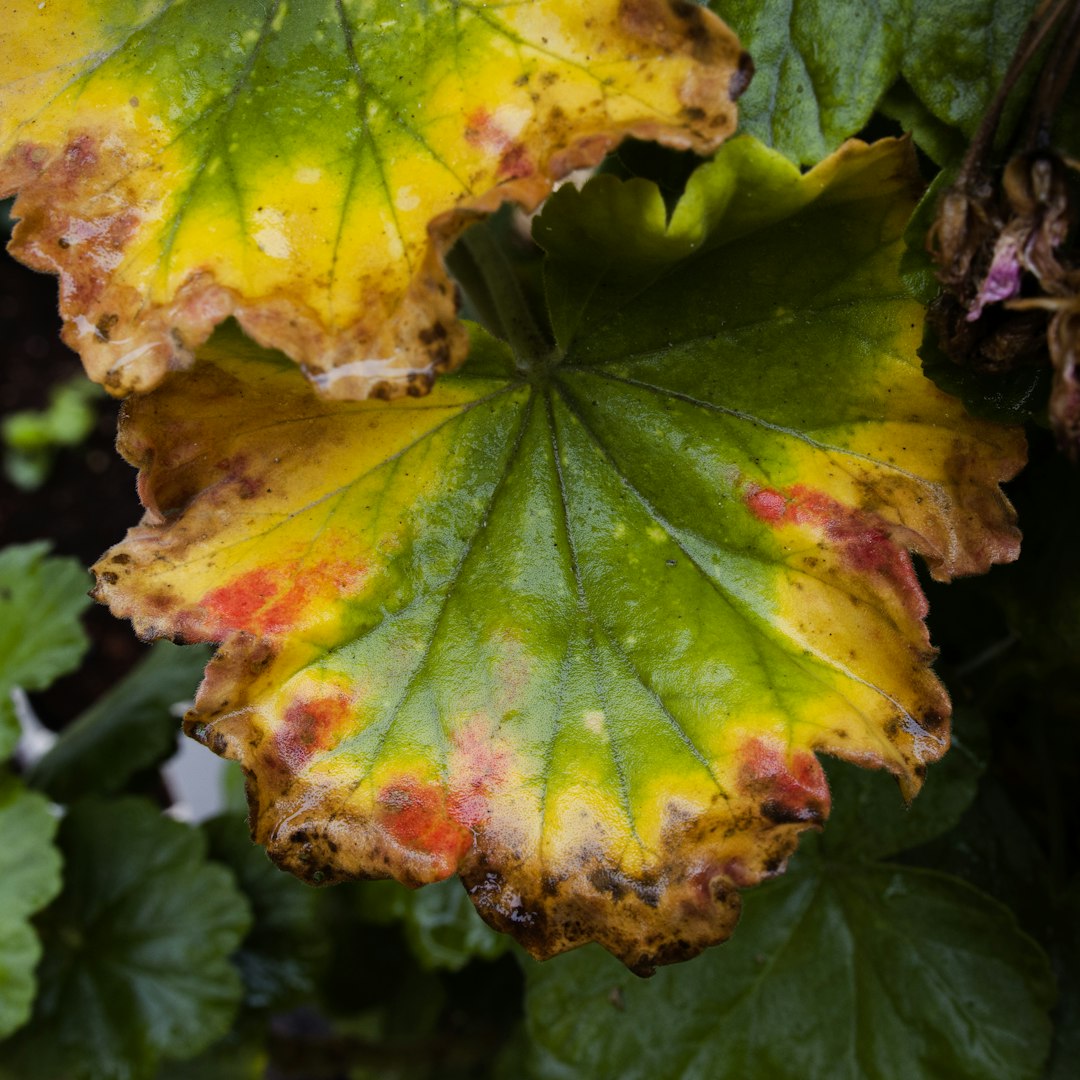
Secrets to a Thriving Raised - Bed Garden
Secrets to a Thriving Raised - Bed Garden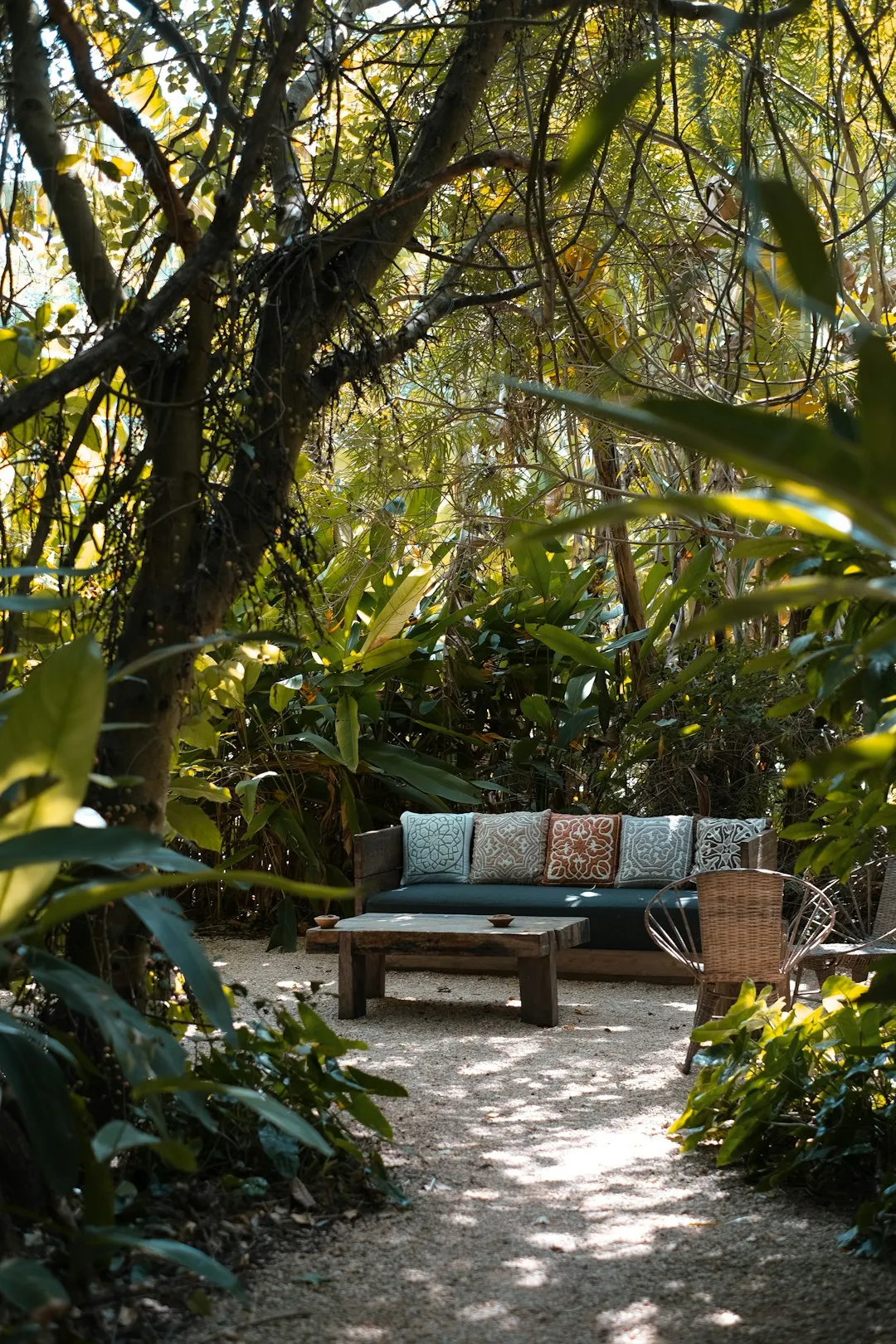
Unveiling the Truths in Your Garden
Unveiling the Truths in Your Garden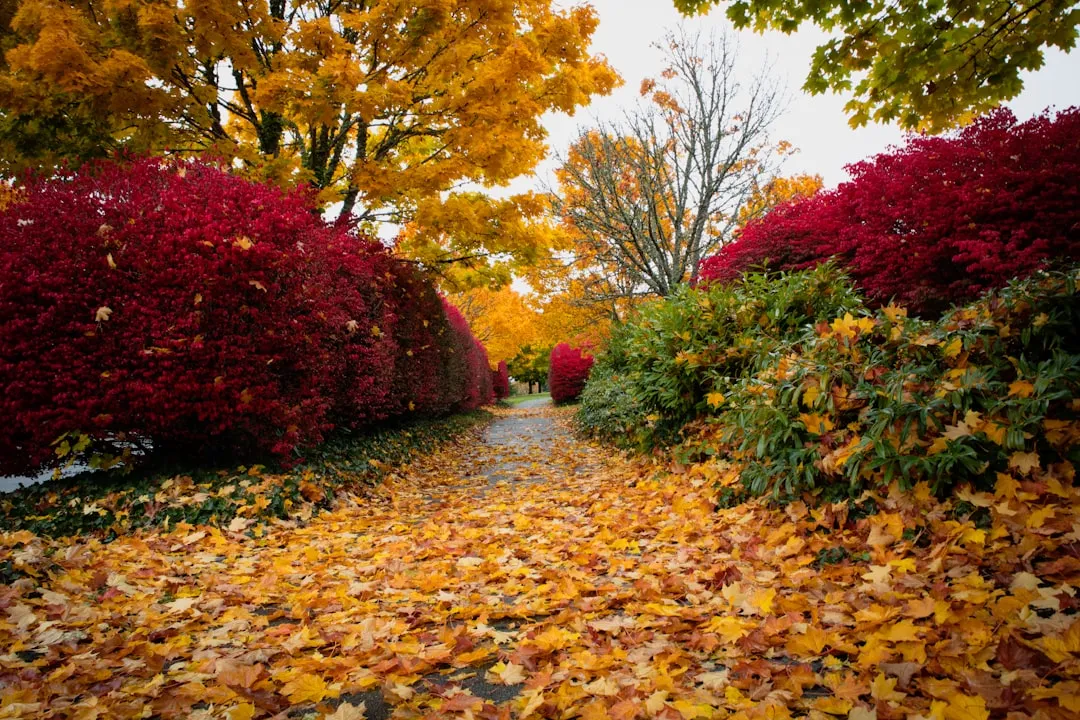
Navigating the Autumn Foliage Cleanup Dilemma in Your Neighborhood
Navigating the Autumn Foliage Cleanup Dilemma in Your Neighborhood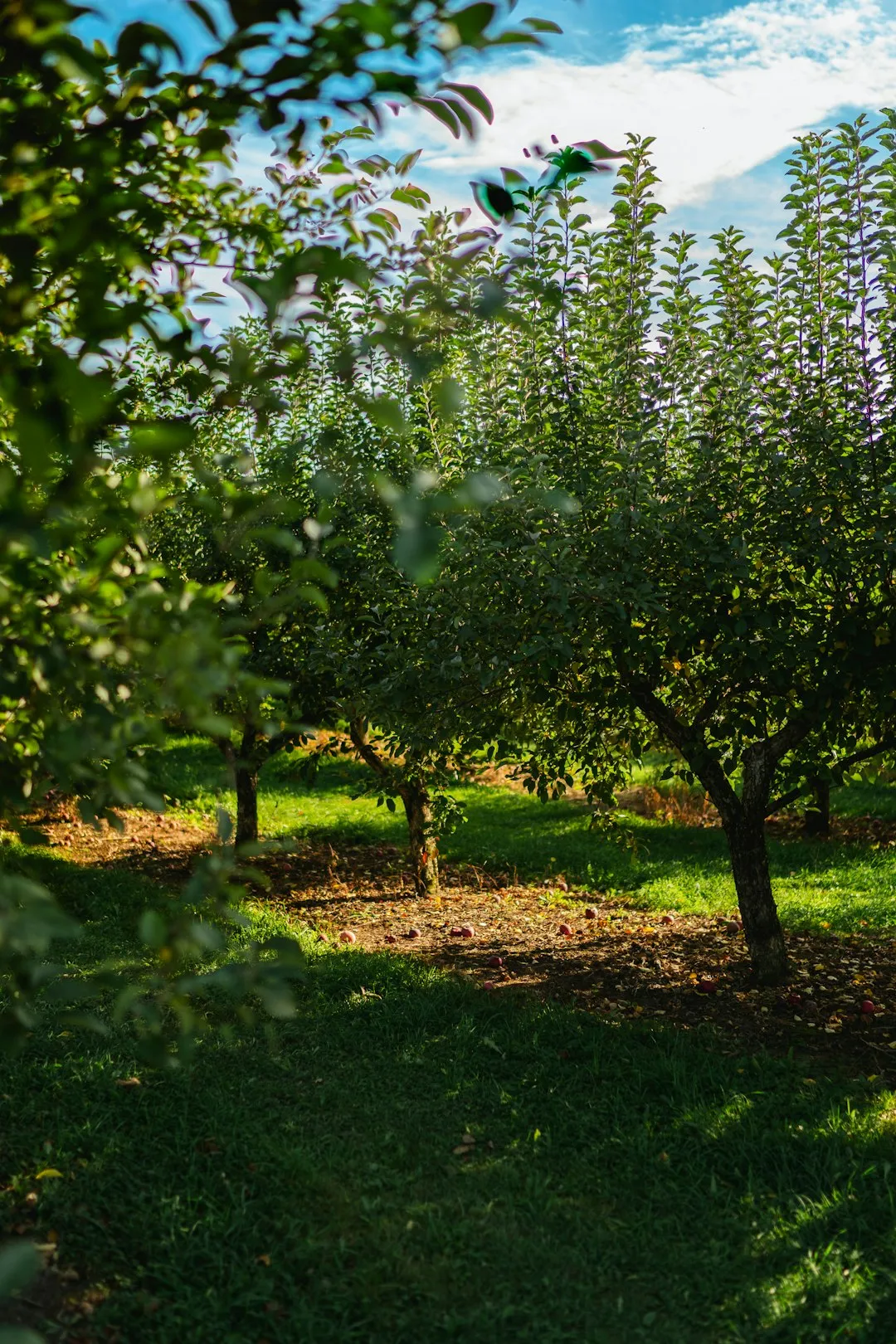
The Secret to Keeping Dahlias Upright in Your Yard
The Secret to Keeping Dahlias Upright in Your Yard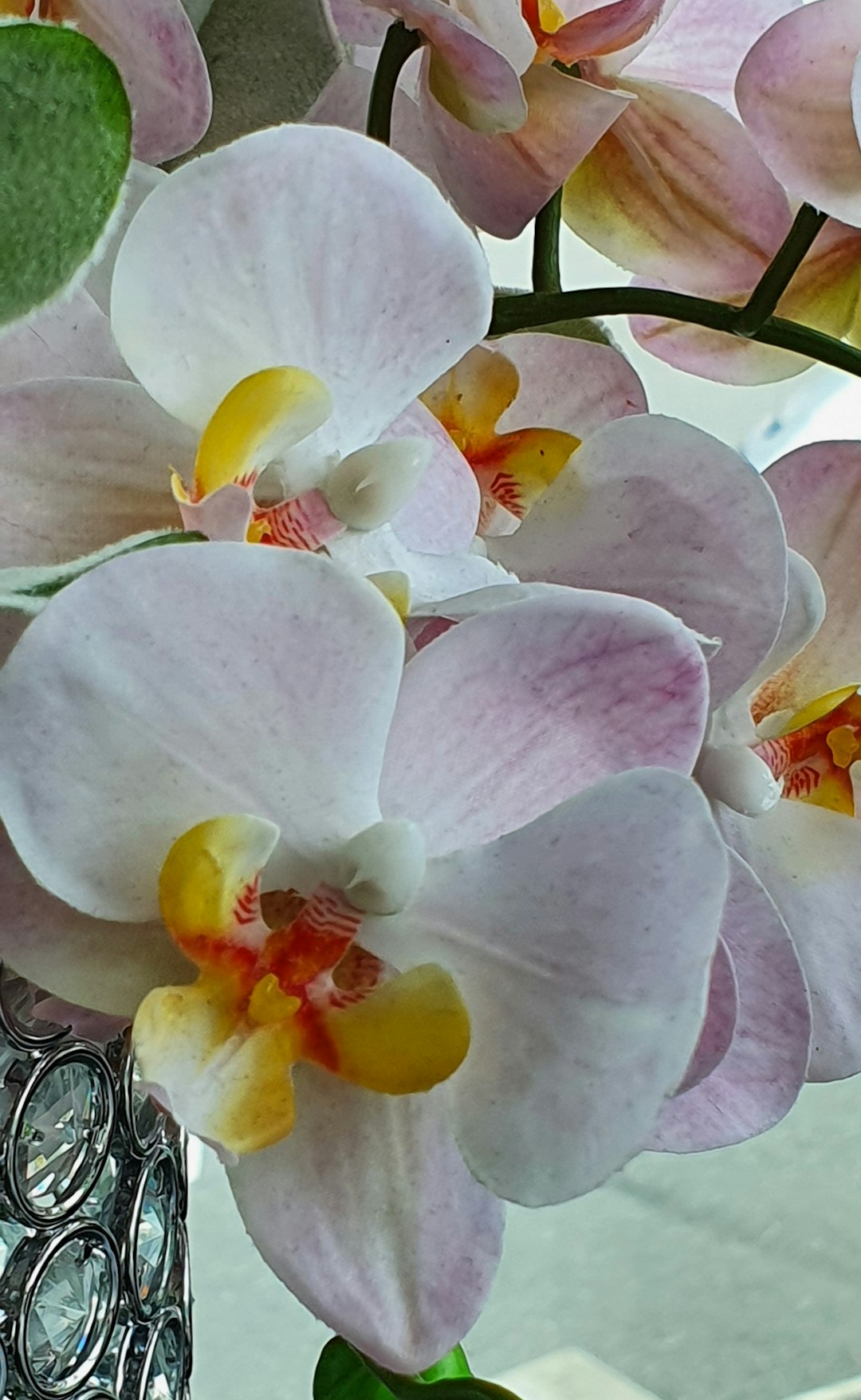
The Secret to a Thriving Yard: Sustainable Gardening
The Secret to a Thriving Yard: Sustainable Gardening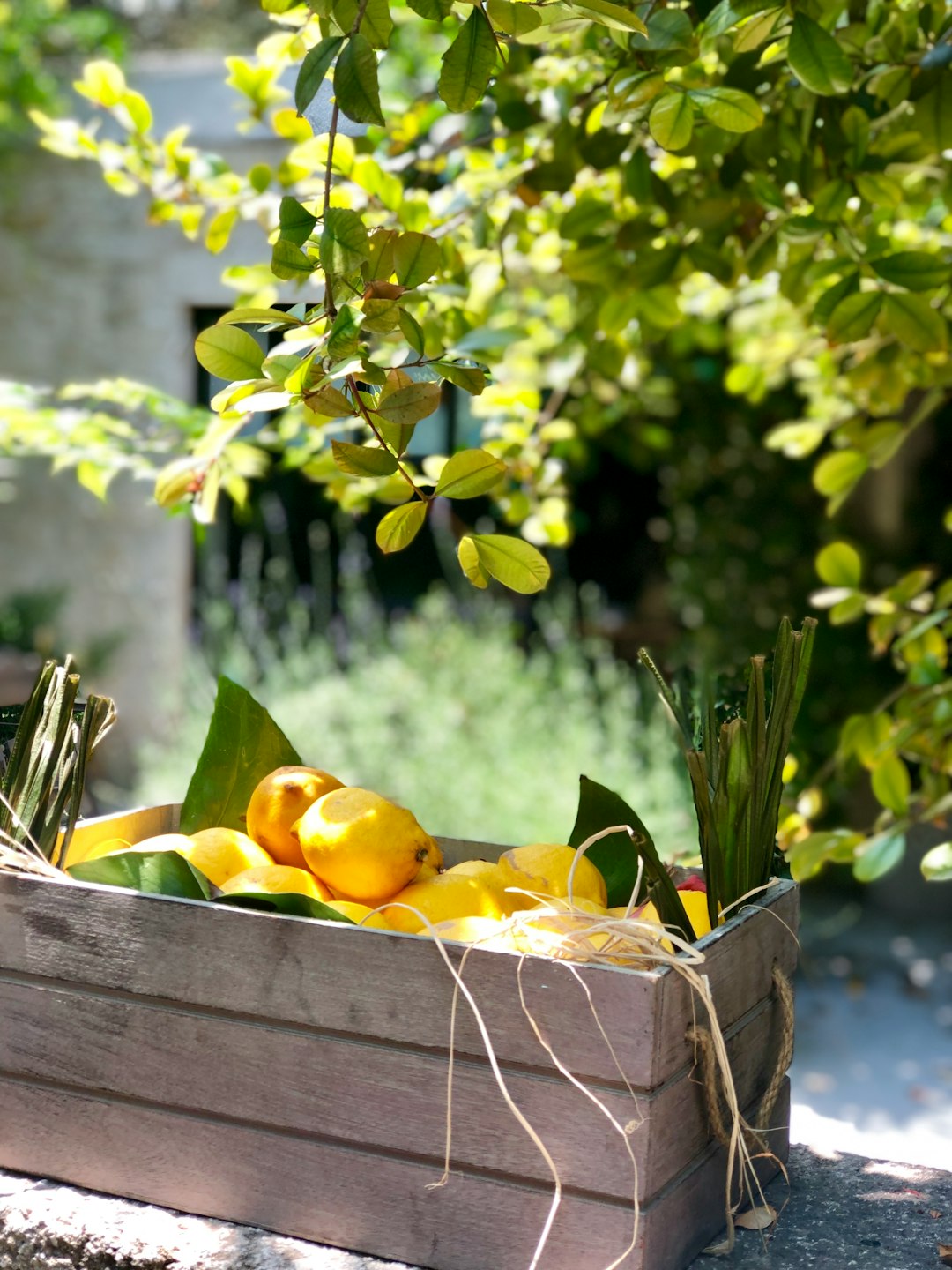
The Truth About Using Coffee Grounds to Change Hydrangea Colors
The Truth About Using Coffee Grounds to Change Hydrangea Colors

