

When it comes to gardening and caring for your yard, getting new grass seed off to a strong start is crucial for a beautiful and healthy lawn. The right watering techniques can make all the difference in the growth and establishment of your grass. In this article, we'll explore some effective watering strategies, including when to turn off your sprinklers, to ensure your new grass seed thrives.
First and foremost, it's important to understand that newly planted grass seed requires consistent moisture to germinate. During the germination period, which typically lasts about 7 - 14 days depending on the grass species, the soil should be kept moist but not waterlogged. Over - watering can lead to issues such as mold growth and poor root development, while under - watering can cause the seeds to dry out and fail to germinate.
One of the best ways to water new grass seed is to use a gentle, fine - mist spray. This can be achieved with a handheld hose nozzle or a sprinkler with a fine spray pattern. Avoid using high - pressure sprays that can displace the seeds or create large puddles. Water the area lightly several times a day, aiming to keep the top 1 - 2 inches of soil moist. For example, you might water for 5 - 10 minutes in the morning, mid - day, and evening.
As the grass begins to sprout, you can gradually reduce the frequency of watering but increase the amount of water applied each time. This encourages the grass roots to grow deeper into the soil in search of water. Once the grass has reached a height of about 2 - 3 inches, you can transition to a more traditional lawn watering schedule.
So, when should you turn off your sprinklers? Once the grass is well - established and has developed a strong root system, you can start to rely more on natural rainfall. However, during dry spells, you may still need to supplement with irrigation. A good rule of thumb is to water your lawn deeply but infrequently. Aim to provide about 1 - 1.5 inches of water per week, either from rainfall or irrigation. You can use a rain gauge to measure the amount of water your lawn is receiving.
Another important aspect of lawn care is the time of day you water. It's best to water your lawn early in the morning, between 4 am and 10 am. This allows the grass to dry before evening, reducing the risk of fungal diseases. Watering in the evening can leave the grass wet overnight, creating a perfect environment for fungi to grow.
Proper soil preparation is also essential for successful grass seed growth. Before planting the seed, make sure the soil is loose, well - drained, and free of debris. You can add organic matter such as compost or peat moss to improve the soil structure and fertility. This will help the grass roots to penetrate the soil more easily and access the nutrients they need.
When choosing grass seed, consider the climate and soil conditions in your area. Different grass species have different water requirements and tolerances to heat, cold, and drought. For example, cool - season grasses like Kentucky bluegrass and fescue are better suited for northern climates, while warm - season grasses like Bermuda grass and zoysia grass thrive in southern regions.
In addition to watering, regular mowing is an important part of lawn care. Once the grass has reached a height of about 3 - 4 inches, you can start to mow it. Set your mower blade to a height of about 2 - 3 inches. Avoid cutting the grass too short, as this can stress the plants and make them more susceptible to disease and drought.
Finally, don't forget about fertilizing your lawn. Newly germinated grass needs nutrients to grow strong and healthy. You can apply a slow - release fertilizer about 4 - 6 weeks after the grass has germinated. This will provide a steady supply of nutrients over time and help the grass to develop a thick, lush appearance.
In conclusion, caring for your yard and getting new grass seed off to a strong start requires a combination of proper watering, soil preparation, grass seed selection, mowing, and fertilizing. By following these tips and techniques, you can enjoy a beautiful, healthy lawn for years to come.

Guardians of the Strawberry Patch: Top 10 Companion Plants
Guardians of the Strawberry Patch: Top 10 Companion Plants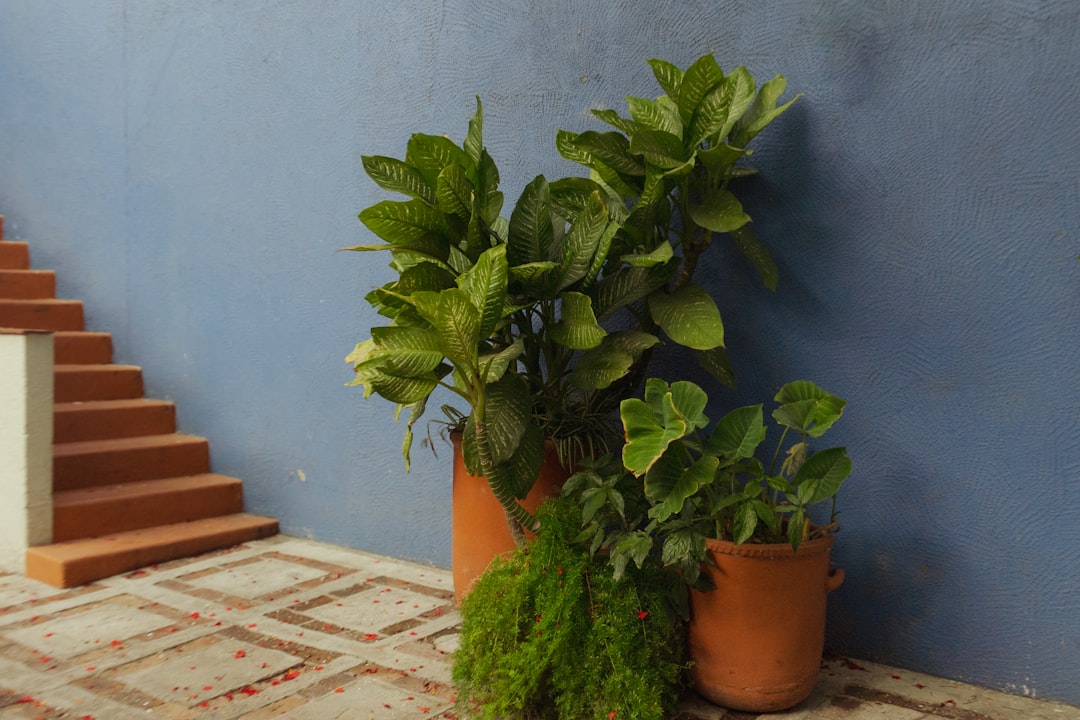
The Art of Harvesting Jalapeños: A Guide to Perfect Heat
The Art of Harvesting Jalapeños: A Guide to Perfect Heat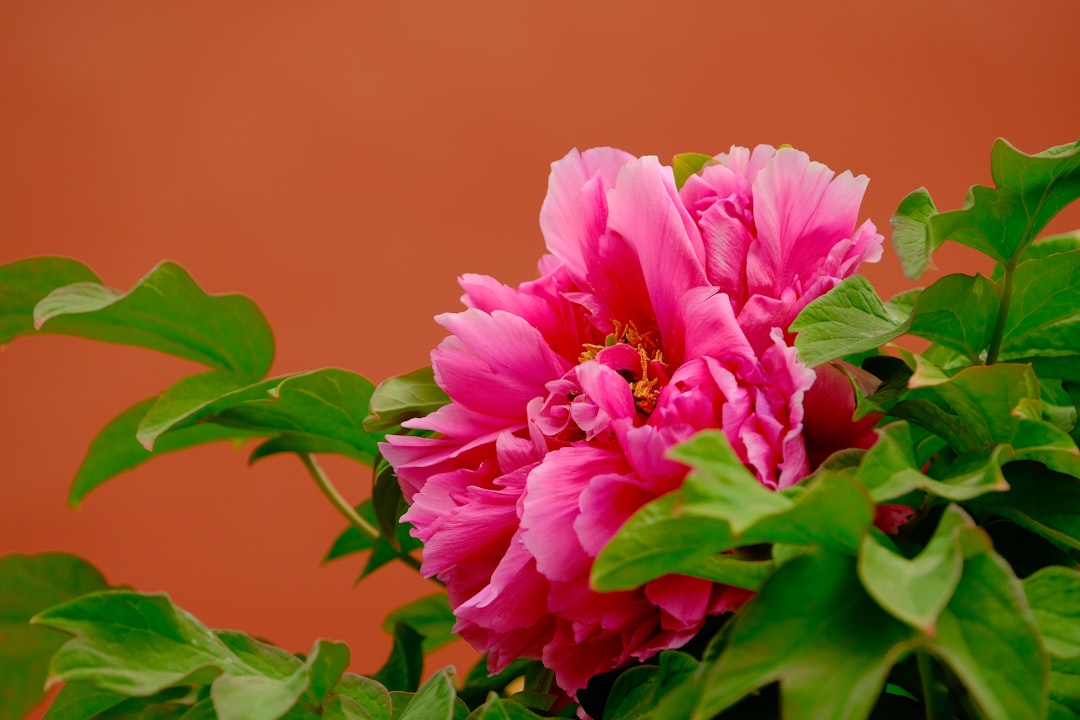
The Wonders of Home - Grown Wheatgrass
The Wonders of Home - Grown Wheatgrass
The Art of Garlic Harvesting and Storage
The Art of Garlic Harvesting and Storage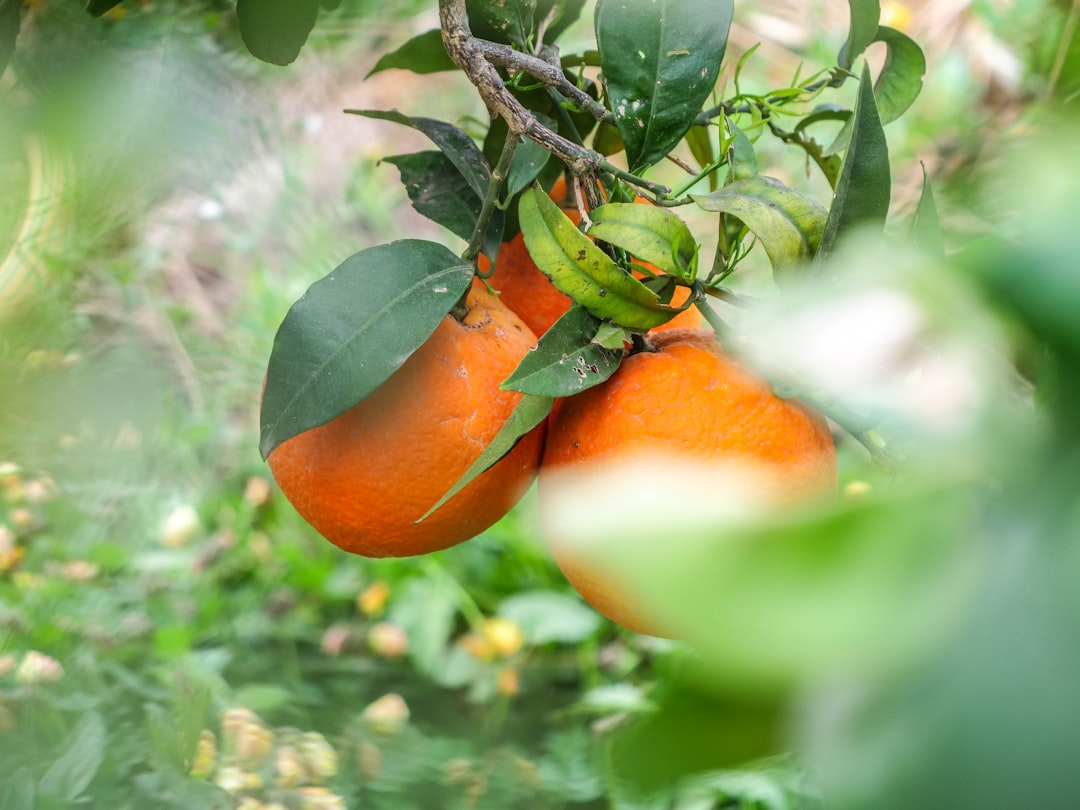
Unleashing the Potential of Small Spaces in Vegetable Gardening
Unleashing the Potential of Small Spaces in Vegetable Gardening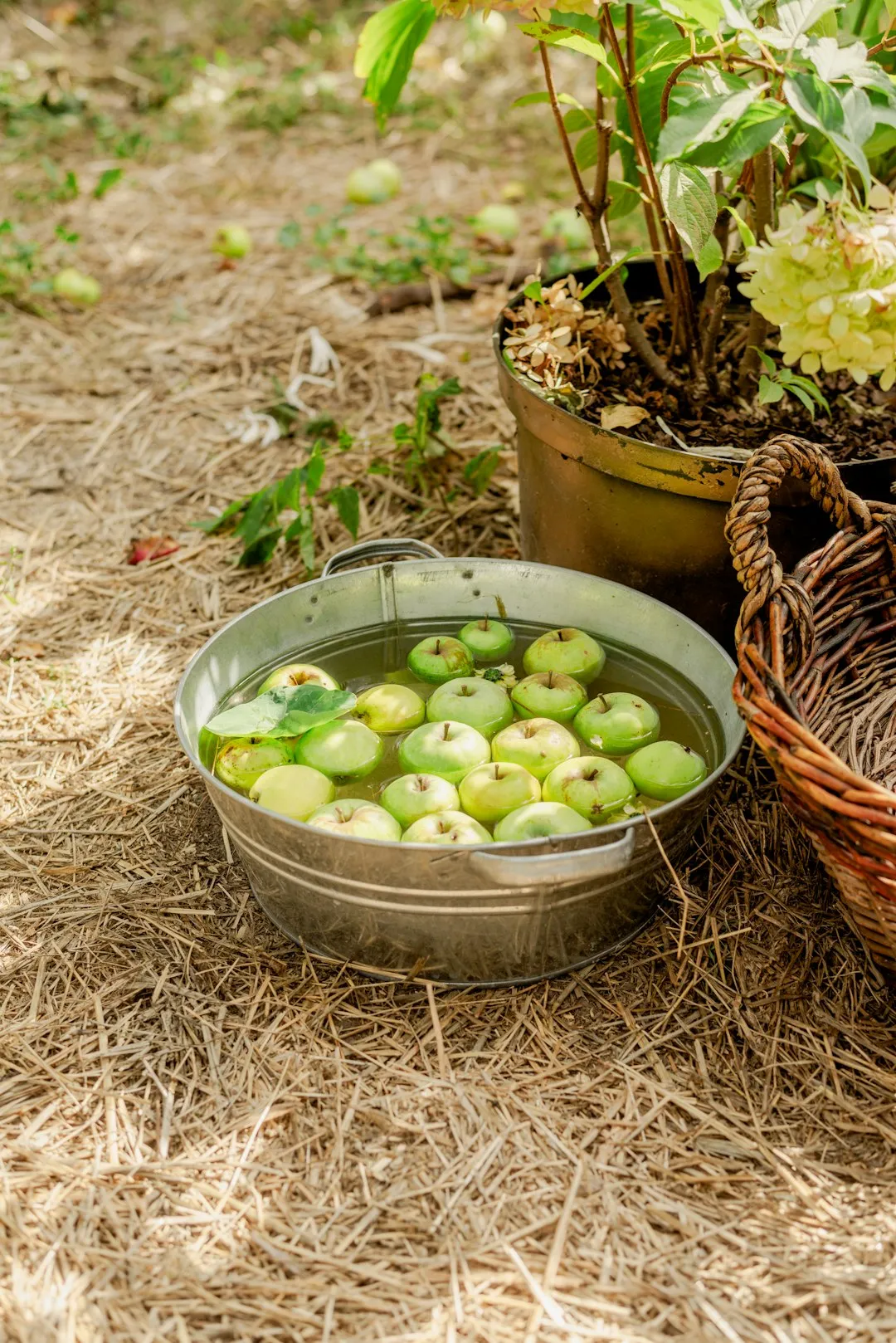
The Secret to Bountiful Pepper Yields: Space Management
The Secret to Bountiful Pepper Yields: Space Management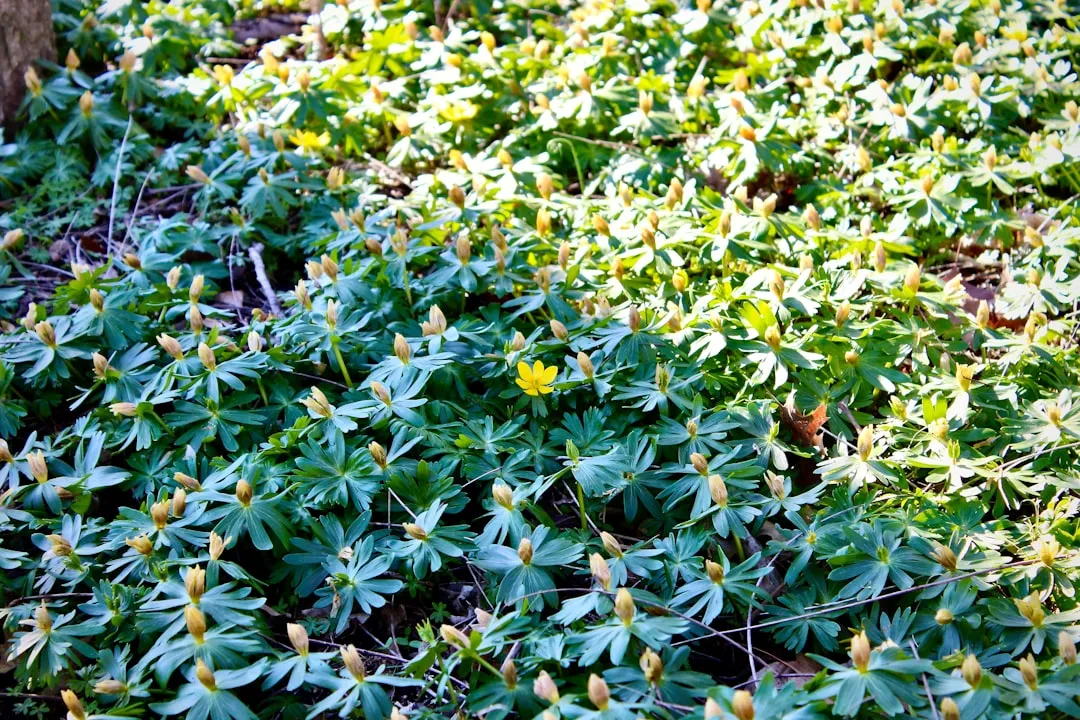
Unveiling the Secrets of Lavender Harvesting
Unveiling the Secrets of Lavender Harvesting
Unveiling the Secrets of New Guinea Impatiens in Shady Gardens
Unveiling the Secrets of New Guinea Impatiens in Shady Gardens
The Secret Rules of Dividing Perennial Plants in Your Garden
The Secret Rules of Dividing Perennial Plants in Your Garden
The Art of Lily Bulb Planting: Timing and Tips
The Art of Lily Bulb Planting: Timing and Tips
The Allure of Joseph's Coat Plants in Gardening and Indoors
The Allure of Joseph's Coat Plants in Gardening and Indoors
The Secret to a Year - Round Colorful Garden
The Secret to a Year - Round Colorful Garden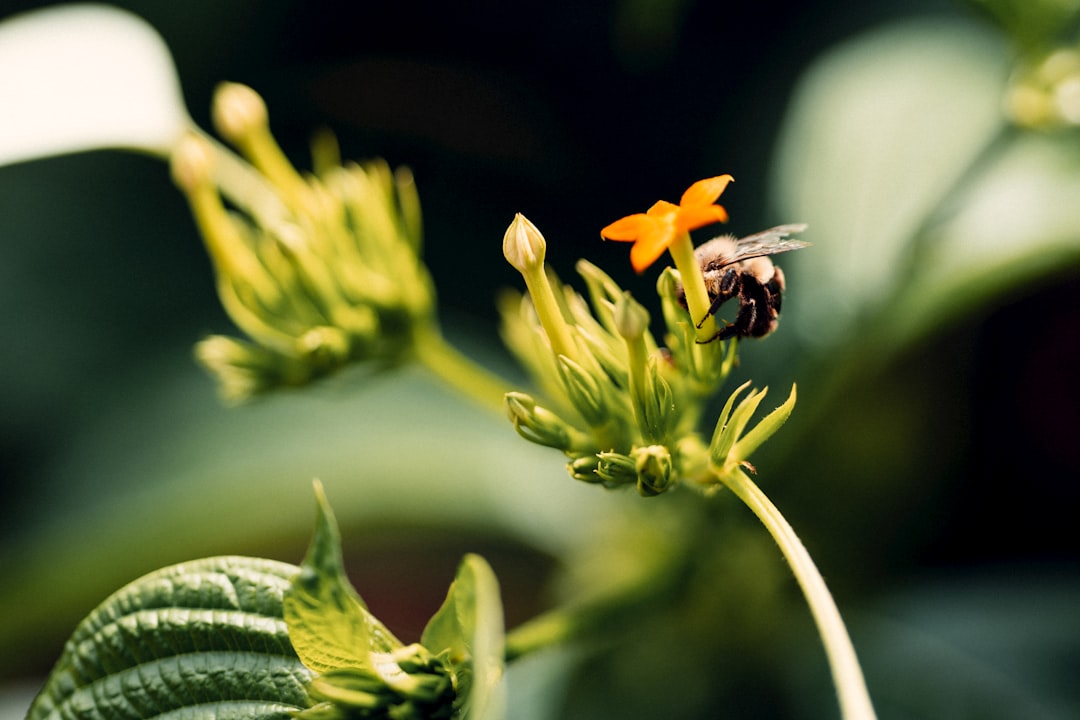
The Secret Weapon for Your Garden: Perennial Peanuts
The Secret Weapon for Your Garden: Perennial Peanuts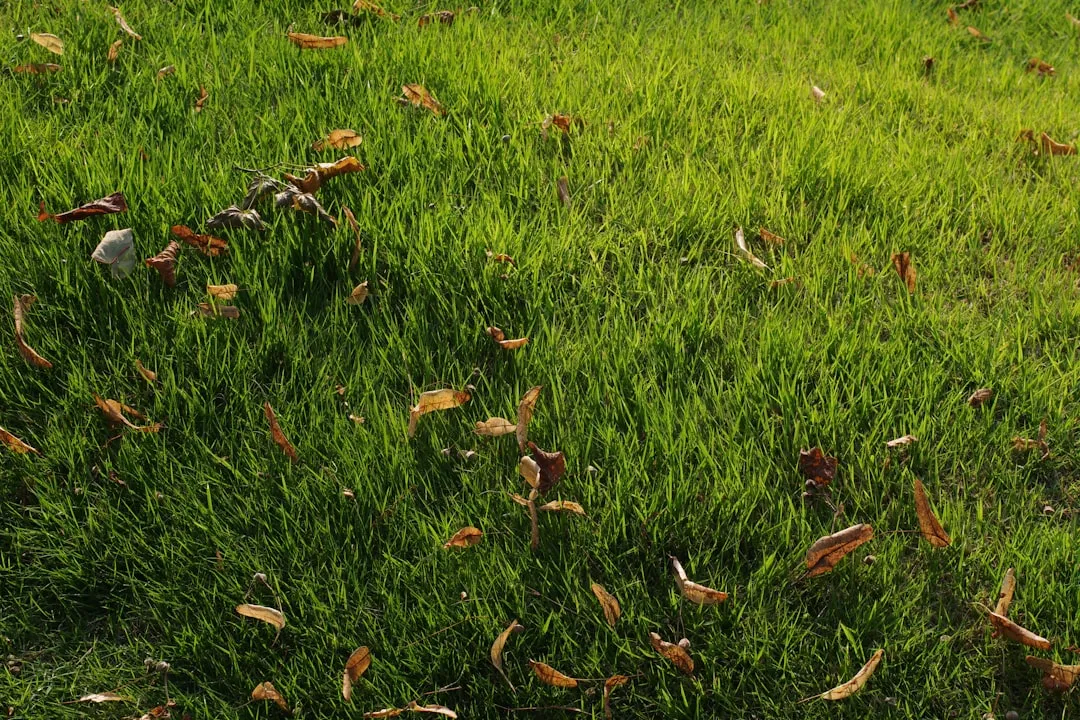
The Secret to a Lush Fall Lawn: Timing Your Watering Right
The Secret to a Lush Fall Lawn: Timing Your Watering Right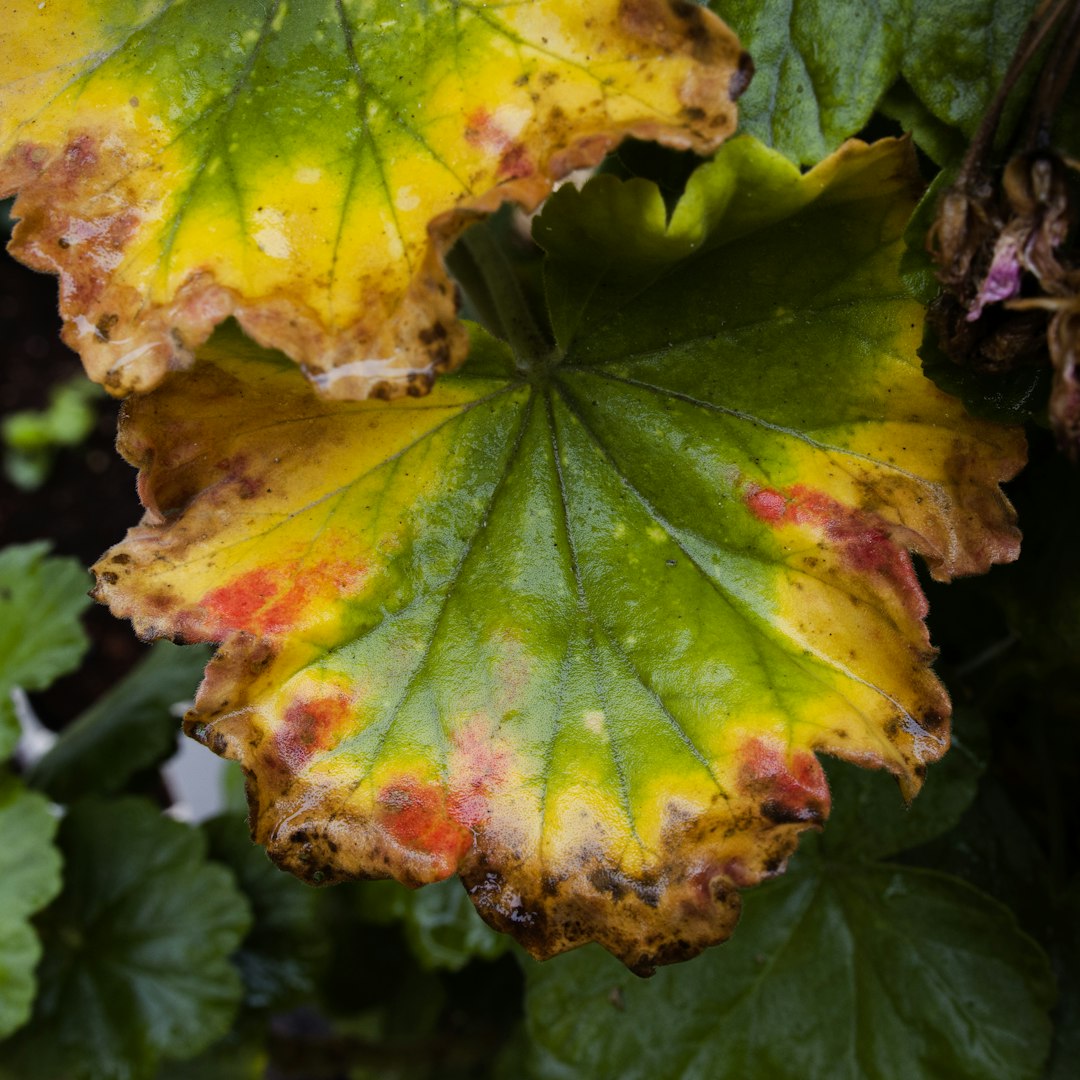
Secrets to a Thriving Raised - Bed Garden
Secrets to a Thriving Raised - Bed Garden
Unveiling the Truths in Your Garden
Unveiling the Truths in Your Garden
Navigating the Autumn Foliage Cleanup Dilemma in Your Neighborhood
Navigating the Autumn Foliage Cleanup Dilemma in Your Neighborhood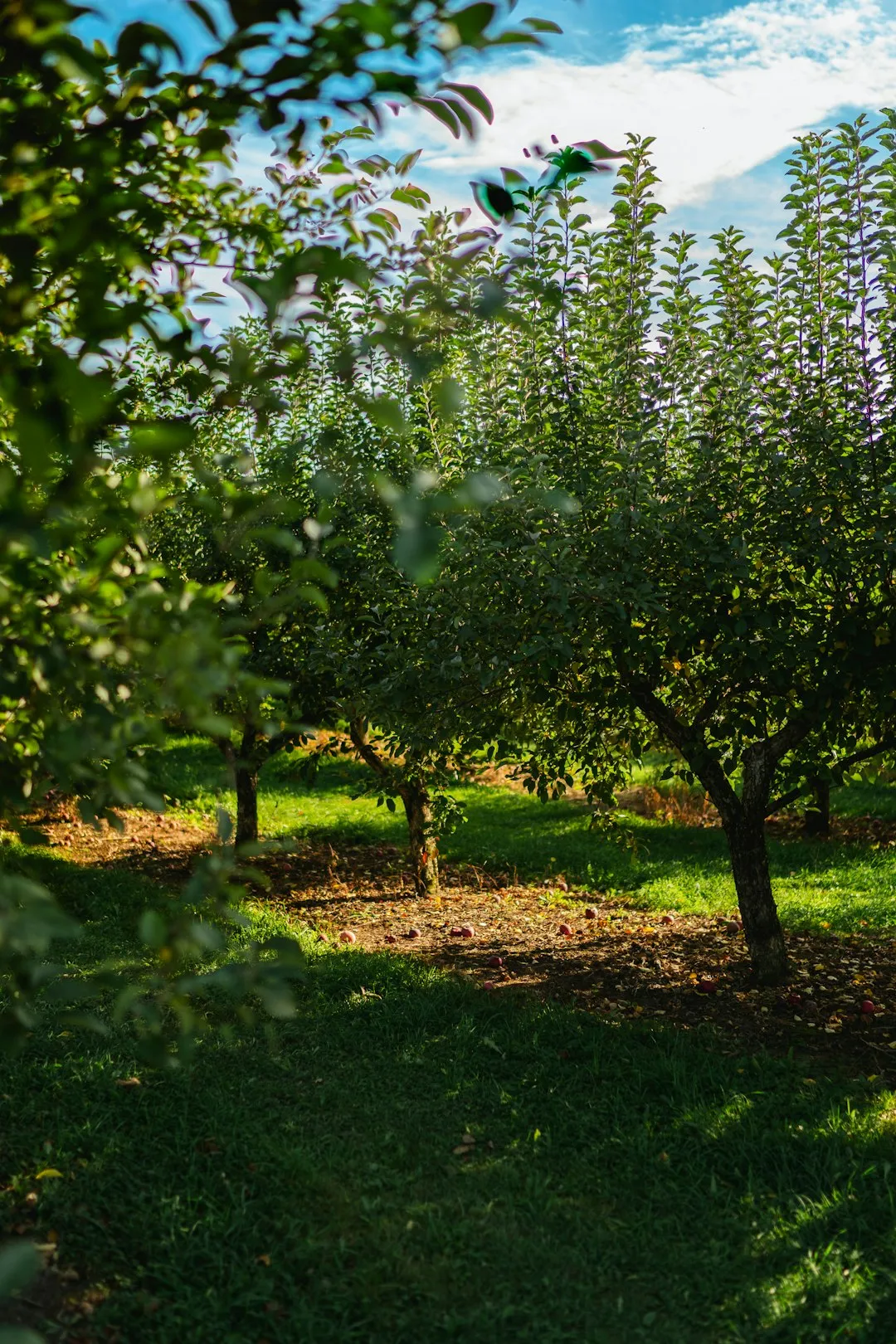
The Secret to Keeping Dahlias Upright in Your Yard
The Secret to Keeping Dahlias Upright in Your Yard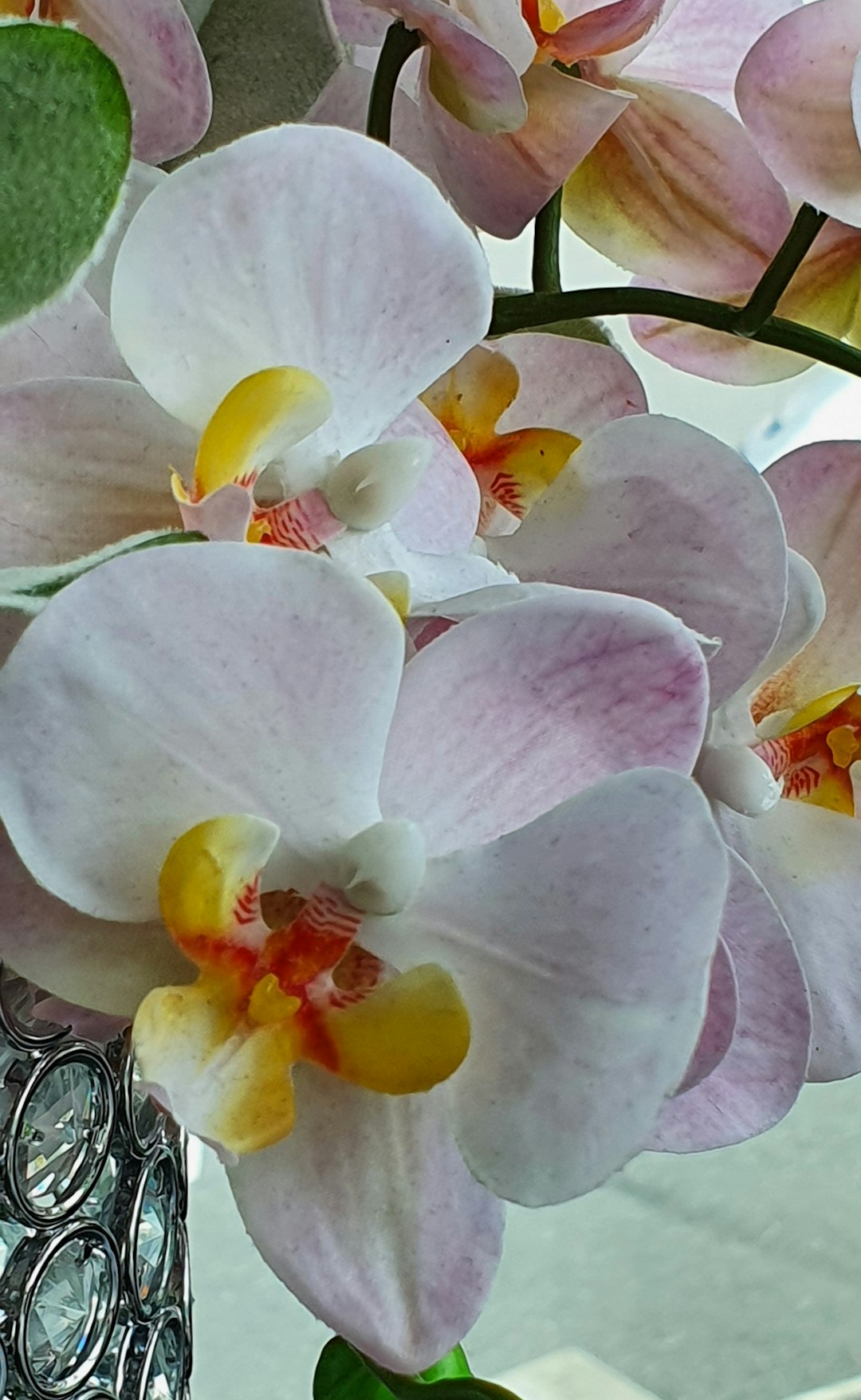
The Secret to a Thriving Yard: Sustainable Gardening
The Secret to a Thriving Yard: Sustainable Gardening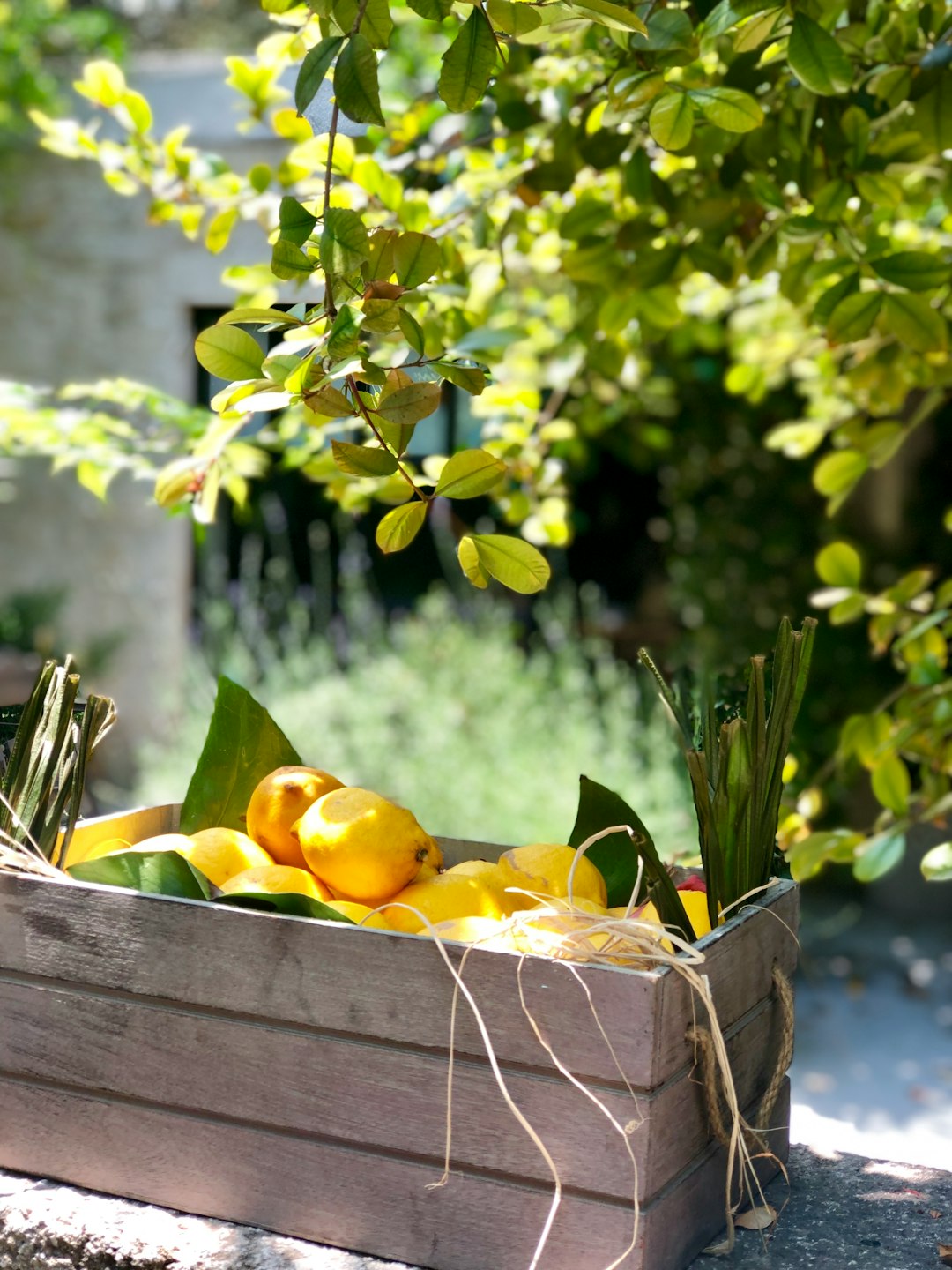
The Truth About Using Coffee Grounds to Change Hydrangea Colors
The Truth About Using Coffee Grounds to Change Hydrangea Colors

