October Gardening: A Tale of Two Regions
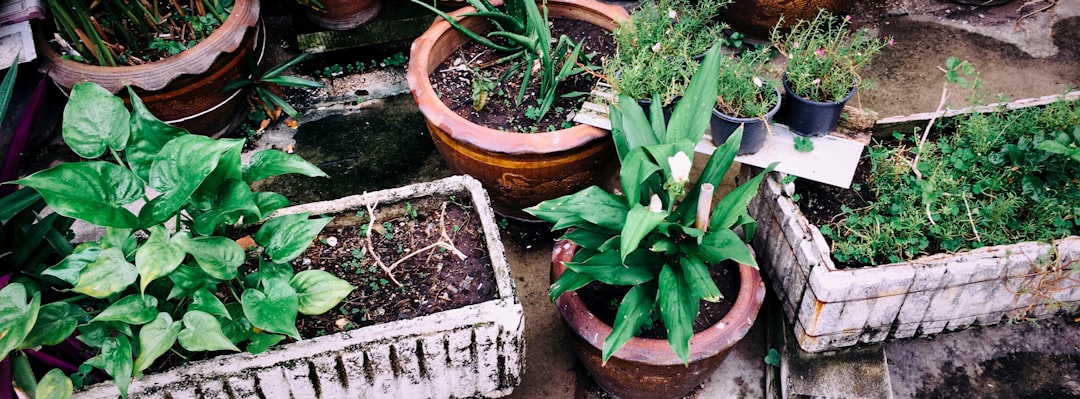
October is a month of transition in the world of gardening, and the tasks vary greatly depending on the region. In the northern parts of the country, the gardening season is slowly coming to an end. The days are getting shorter, and the temperatures are dropping. Frost is becoming a regular occurrence, and it's time to start preparing the garden for the long winter ahead.
One of the first tasks in the north is to clean up the garden beds. Remove any dead or dying plants, as well as any fallen leaves or debris. This will help prevent the spread of diseases and pests over the winter. You can also cut back perennials to about 6 inches above the ground. This will help them conserve energy and come back stronger in the spring.
Another important task is to protect tender plants from the cold. If you have any potted plants that are not frost-tolerant, you should bring them indoors or move them to a protected area. You can also cover outdoor plants with a layer of mulch or burlap to help insulate them from the cold. This will help prevent the roots from freezing and keep the plants alive until the spring.
In addition to these tasks, you can also start planning for next year's garden. Take some time to evaluate your garden this year and decide what worked well and what didn't. You can then make a list of the plants you want to grow next year and start researching the best varieties for your region. You can also order seeds and bulbs online or from a local nursery.
On the other hand, in the southern parts of the country, the gardening season is in full swing. The temperatures are still warm, and the days are long enough to allow for plenty of growth. This is a great time to plant cool-season vegetables, such as lettuce, spinach, kale, and broccoli. These vegetables thrive in the cooler temperatures of the fall and can be harvested well into the winter.
You can also plant bulbs in the fall, such as tulips, daffodils, and hyacinths. These bulbs will bloom in the spring and add a splash of color to your garden. Make sure to plant them at the appropriate depth and in well-drained soil. You can also add a layer of mulch on top of the bulbs to help keep the soil moist and protect them from the cold.
In addition to planting, you should also continue to water and fertilize your plants regularly. The warm temperatures and dry conditions in the south can cause the soil to dry out quickly, so it's important to keep the soil moist. You can use a soaker hose or drip irrigation system to water your plants slowly and evenly. You can also fertilize your plants with a balanced fertilizer to help them grow strong and healthy.
Another important task in the south is to control pests and diseases. The warm and humid conditions in the south can create a breeding ground for pests and diseases, so it's important to keep an eye out for any signs of trouble. You can use natural pest control methods, such as companion planting and handpicking pests, to keep your garden healthy. You can also use organic pesticides and fungicides if necessary.
Overall, October is a busy month in the garden, but it's also a rewarding one. Whether you're in the north or the south, there are plenty of tasks to keep you busy. By following these tips and taking good care of your garden, you can ensure a successful gardening season and enjoy the fruits of your labor for years to come.
So, grab your gardening gloves and get to work! Whether you're cleaning up the garden in the north or planting new vegetables in the south, there's always something to do in the garden in October.