

Maintaining a lush, healthy lawn is a dream for many homeowners. While there are numerous products on the market promising quick fixes, one of the most natural and effective ways to improve your lawn's health is by using compost. Compost is a nutrient - rich organic matter that can work wonders for your soil and grass. In this article, we'll explore essential tips on using compost for lawns to enhance the natural vitality of your yard.
First and foremost, understanding what compost is and why it's beneficial is crucial. Compost is created through the decomposition of organic materials such as leaves, grass clippings, food scraps, and manure. As these materials break down, they form a dark, crumbly substance that is teeming with beneficial microorganisms, nutrients, and organic matter. When added to your lawn, compost helps to improve soil structure, retain moisture, and provide essential nutrients to the grass.
One of the key advantages of using compost on your lawn is its ability to enhance soil structure. Many lawns suffer from compacted soil, which restricts the movement of air, water, and nutrients to the grass roots. Compost acts as a natural soil conditioner, loosening compacted soil and creating a more porous environment. This allows the roots to grow deeper and stronger, resulting in a healthier and more resilient lawn. Additionally, the improved soil structure helps to prevent waterlogging and erosion, which can be major issues in some areas.
Another important benefit of compost is its moisture - retaining properties. In hot and dry weather, lawns can quickly become parched and brown. Compost helps to hold moisture in the soil, reducing the need for frequent watering. The organic matter in compost acts like a sponge, absorbing water when it's available and slowly releasing it to the grass roots as needed. This not only saves water but also helps to keep your lawn green and healthy during periods of drought.
When it comes to applying compost to your lawn, timing is everything. The best time to apply compost is in the spring or fall when the grass is actively growing. This allows the grass to take full advantage of the nutrients in the compost. Before applying compost, it's a good idea to mow your lawn to a short height and remove any debris. You can then spread a thin layer of compost, about ¼ to ½ inch thick, evenly over the lawn. Use a rake or a lawn spreader to ensure an even distribution.
It's important not to over - apply compost, as this can lead to problems such as excessive thatch buildup. Thatch is a layer of dead grass and organic matter that accumulates between the soil and the living grass blades. While a thin layer of thatch can be beneficial, too much thatch can prevent water, air, and nutrients from reaching the soil. If you notice that your lawn has a thick layer of thatch, you may need to dethatch it before applying compost.
Compost can also be used in conjunction with other lawn care practices. For example, you can mix compost with grass seed when overseeding your lawn. The compost provides a rich growing medium for the new grass seeds, helping them to germinate and establish more quickly. You can also use compost as a top - dressing for your lawn after aerating. Aeration involves making small holes in the soil to allow air, water, and nutrients to penetrate more easily. Applying compost after aeration helps to fill these holes and provides additional nutrients to the grass roots.
In addition to its benefits for the soil and grass, using compost is also an environmentally friendly choice. By recycling organic materials into compost, you're reducing the amount of waste that goes to landfills. Composting also helps to reduce the need for chemical fertilizers and pesticides, which can have negative impacts on the environment and human health. By choosing to use compost for your lawn, you're not only improving the health of your yard but also doing your part to protect the planet.
In conclusion, using compost for your lawn is a simple yet effective way to improve the health of your soil and grass naturally. By enhancing soil structure, retaining moisture, and providing essential nutrients, compost can transform your lawn into a lush, green oasis. With proper application and timing, you can enjoy the benefits of a healthy, beautiful lawn without relying on harsh chemicals. So, start composting today and give your lawn the natural boost it deserves.
Guardians of the Strawberry Patch: Top 10 Companion Plants
Guardians of the Strawberry Patch: Top 10 Companion Plants
The Art of Harvesting Jalapeños: A Guide to Perfect Heat
The Art of Harvesting Jalapeños: A Guide to Perfect Heat
The Wonders of Home - Grown Wheatgrass
The Wonders of Home - Grown Wheatgrass
The Art of Garlic Harvesting and Storage
The Art of Garlic Harvesting and Storage
Unleashing the Potential of Small Spaces in Vegetable Gardening
Unleashing the Potential of Small Spaces in Vegetable Gardening
The Secret to Bountiful Pepper Yields: Space Management
The Secret to Bountiful Pepper Yields: Space Management
Unveiling the Secrets of Lavender Harvesting
Unveiling the Secrets of Lavender Harvesting
Unveiling the Secrets of New Guinea Impatiens in Shady Gardens
Unveiling the Secrets of New Guinea Impatiens in Shady Gardens
The Secret Rules of Dividing Perennial Plants in Your Garden
The Secret Rules of Dividing Perennial Plants in Your Garden
The Art of Lily Bulb Planting: Timing and Tips
The Art of Lily Bulb Planting: Timing and Tips
The Allure of Joseph's Coat Plants in Gardening and Indoors
The Allure of Joseph's Coat Plants in Gardening and Indoors
The Secret to a Year - Round Colorful Garden
The Secret to a Year - Round Colorful Garden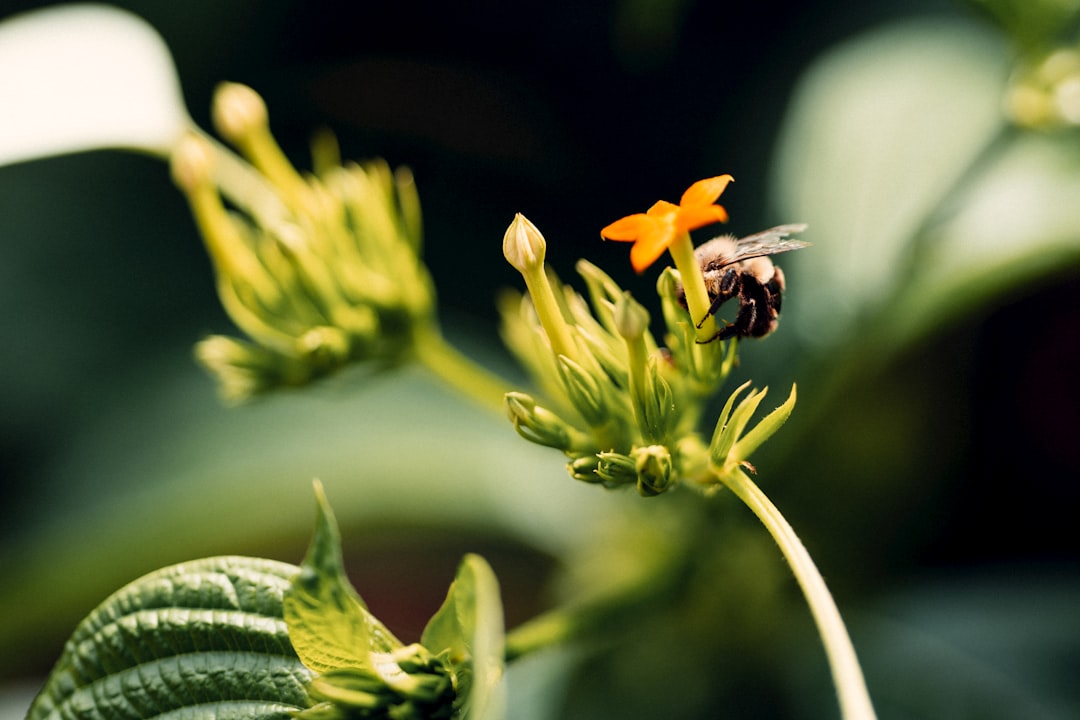
The Secret Weapon for Your Garden: Perennial Peanuts
The Secret Weapon for Your Garden: Perennial Peanuts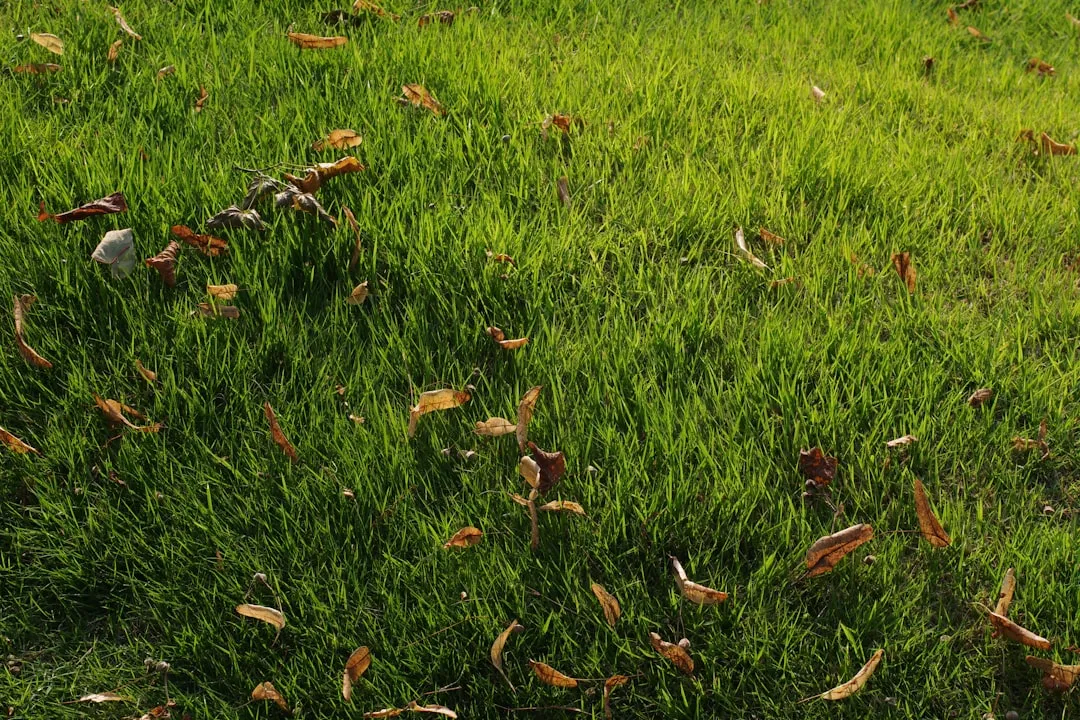
The Secret to a Lush Fall Lawn: Timing Your Watering Right
The Secret to a Lush Fall Lawn: Timing Your Watering Right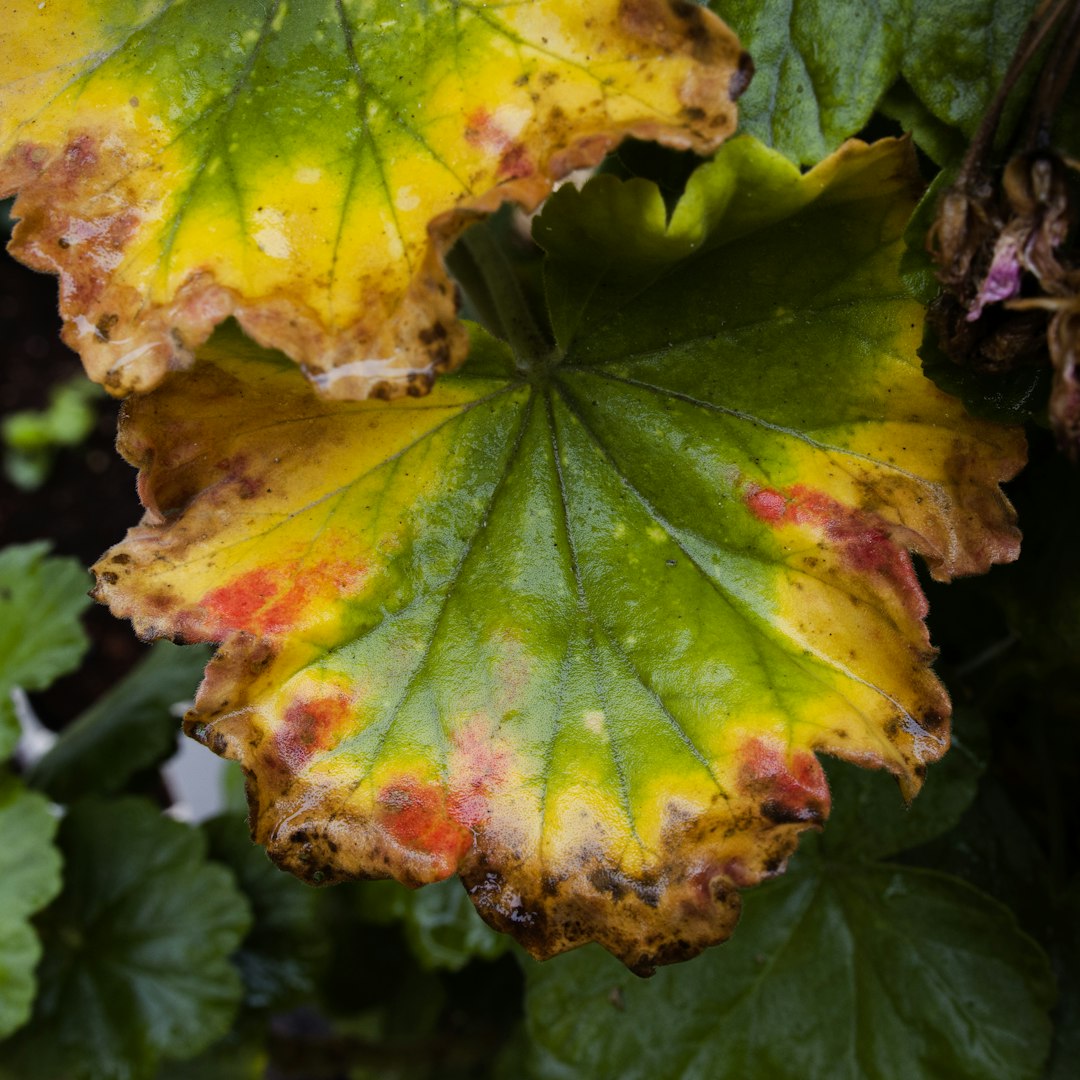
Secrets to a Thriving Raised - Bed Garden
Secrets to a Thriving Raised - Bed Garden
Unveiling the Truths in Your Garden
Unveiling the Truths in Your Garden
Navigating the Autumn Foliage Cleanup Dilemma in Your Neighborhood
Navigating the Autumn Foliage Cleanup Dilemma in Your Neighborhood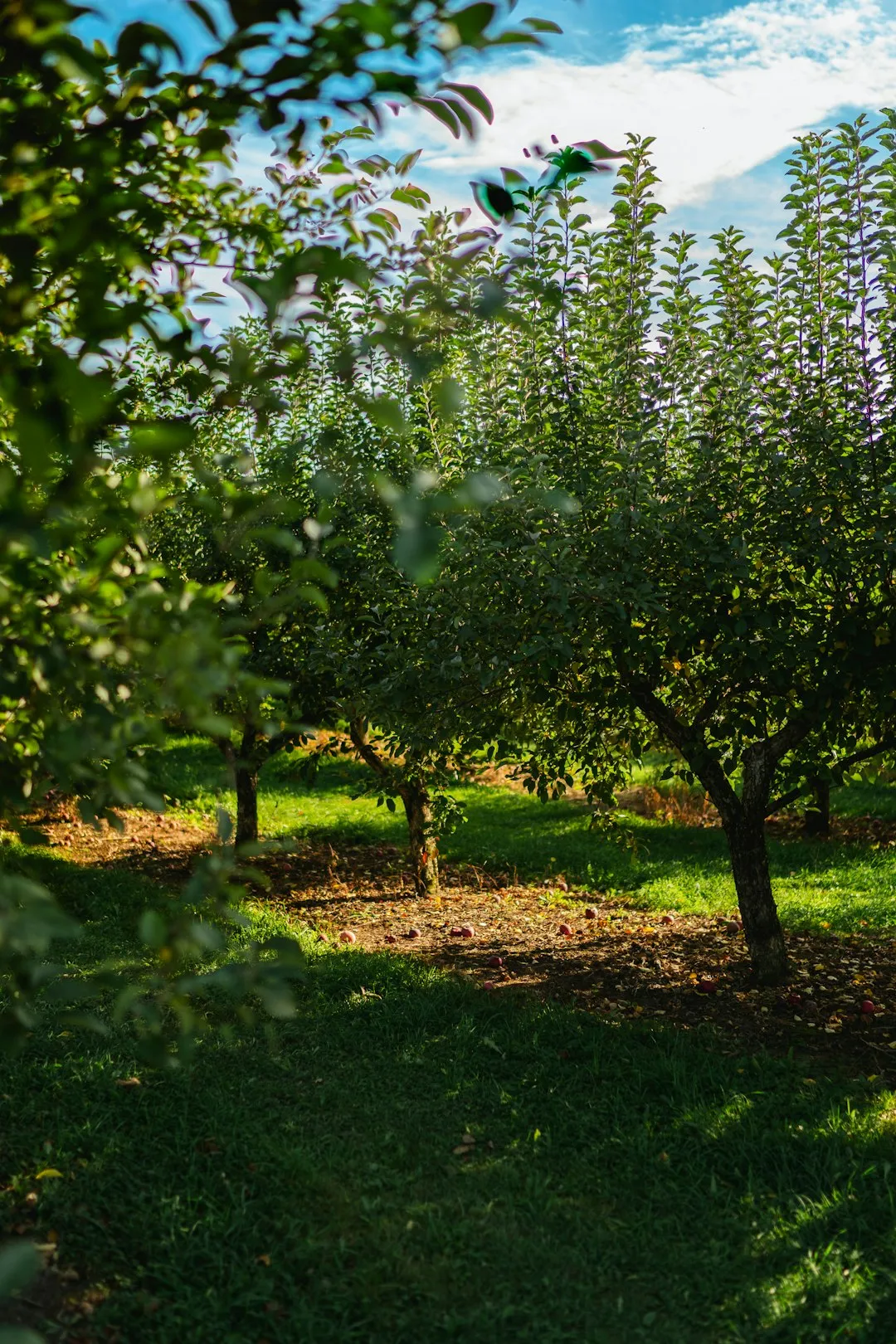
The Secret to Keeping Dahlias Upright in Your Yard
The Secret to Keeping Dahlias Upright in Your Yard
The Secret to a Thriving Yard: Sustainable Gardening
The Secret to a Thriving Yard: Sustainable Gardening
The Truth About Using Coffee Grounds to Change Hydrangea Colors
The Truth About Using Coffee Grounds to Change Hydrangea Colors

